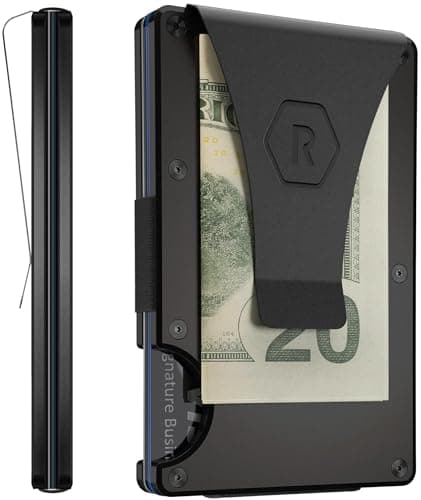
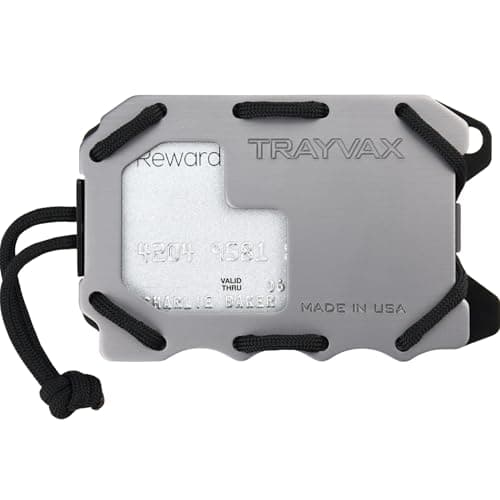
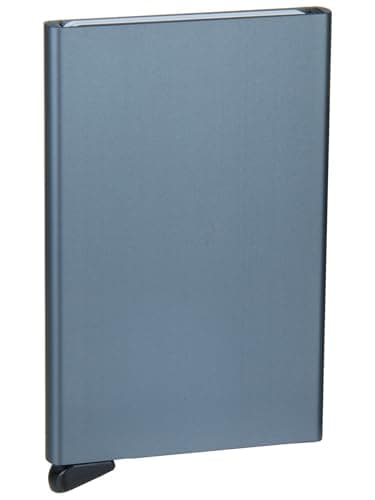
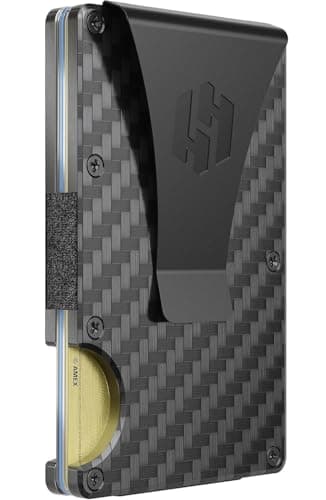
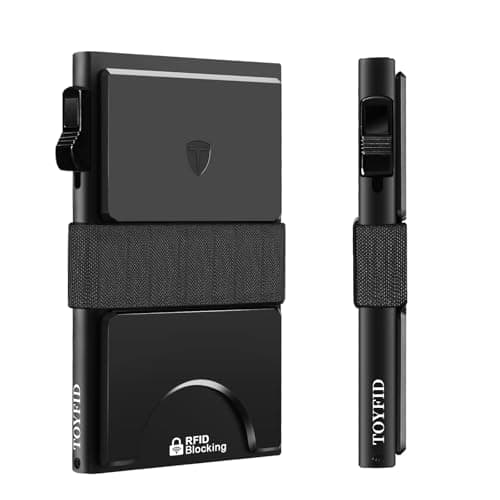
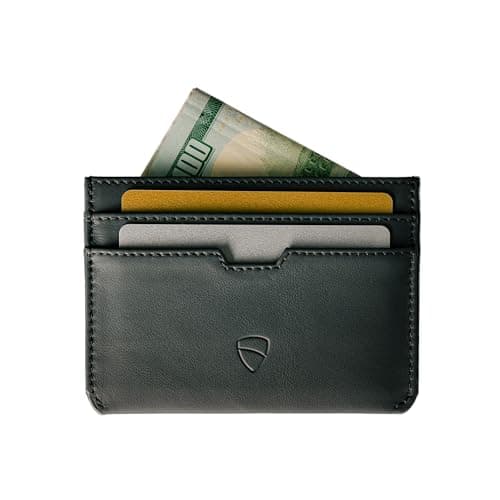
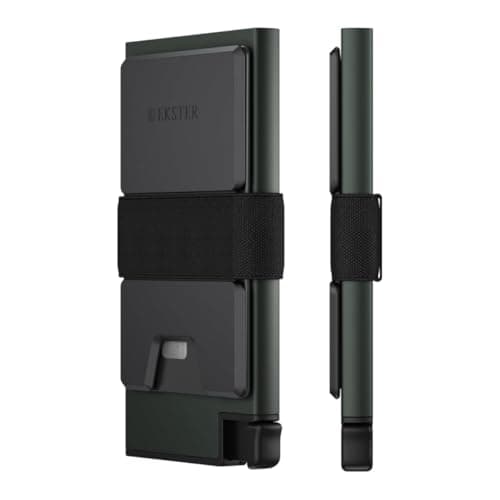
The Ridge costs between $76 and $150 depending on the finish you pick. The question this page answers is a simple one: what does that premium buy, and is anything cheaper doing the same job?
The short answer is that the Ridge is the best-built wallet here and it is not the one I would buy. Here is why.
The three things that actually separate these
1. How the cards come out
This is the biggest functional difference and the one nobody shops on. There are three approaches:
- Push and fan — the Ridge. Thumb pushes the stack up through the top and you fan them out. Fast once it is habit; requires two hands.
- Push-button eject — Ekster and the budget pop-ups. One thumb press staggers the cards out. Measurably quicker at a checkout, and there is a spring mechanism to eventually fail.
- One-click slide-out — Secrid. One press steps the whole stack out at once. The best card access here and the most complex mechanism here.
2. How many cards it really takes
The Ridge is around a dozen. The Ekster listing states twelve. The Secrid Cardprotector states six, or four with embossing. The budget pop-ups claim twelve-plus and, in my experience with this category, those claims run optimistic. The Trayvax and the leather Vaultskin are different formats again.
3. Whether it survives a back pocket
Metal does. Leather does not — it stretches, and a stretched leather wallet is thicker every year. If you sit on your wallet, that single fact eliminates the Vaultskin regardless of how good it is at everything else.
The verdict, plainly
Buy the Ekster if you want the best wallet on this page. The push-button fan is genuinely faster than the Ridge, the stated capacity is higher, and at the last check it cost the same as the cheapest Ridge colorway. The mechanism is the risk, and it is a risk worth taking.
Buy the Ridge if you want the simplest possible object. It has nothing to go wrong. It is beautifully made. And if that is what you are paying for, you are getting it — just buy the cheapest colorway you can live with.
Buy the Hayvenhurst or the TOYFID if the format is what appeals and the price is what stopped you. Between them they cost less than a third of a Ridge, and they do most of the job. The finish is visibly a tier down. If a slightly rough edge will bother you every day for three years, spend the money — some people genuinely should.
Buy the Trayvax if the wallet is going somewhere it might get dropped or soaked. It is the toughest thing here and the least slim, and it costs half a Ridge.
How to choose without overthinking it
Count your cards first
Everything on this page is a card holder. If your honest count is over about fourteen, none of them is right and you want a conventional slim bifold instead. Do the count before you shop, not after the wallet arrives.
Decide about cash before you decide about the wallet
Cash strap handles a fold. Money clip handles two or three bills and props open with more. Push-button cardholders often handle none at all in their base configuration. This eliminates about half the page for most people in one question.
Mechanisms fail; plates do not
The Ridge and the Trayvax have no moving parts worth the name. The Ekster, Secrid and budget pop-ups all have a spring and a button. That is the real trade behind the price difference, and it is a fair one in both directions.
Do not pay a brand premium by accident
Paying more for a Ridge because you want a Ridge is fine. Paying more for a Ridge because you opened the black listing and not the white one is not. This is the same point the Ridge review makes, and it is worth repeating because it is free money.
RFID claims are everywhere and largely unverifiable
Every wallet on this page claims RFID blocking. Metal plates do attenuate the relevant frequencies; how much, on which cards, at what range, is not something I have measured and not something I am going to assert. Treat it as a bonus, not a purchase reason.