Section 04
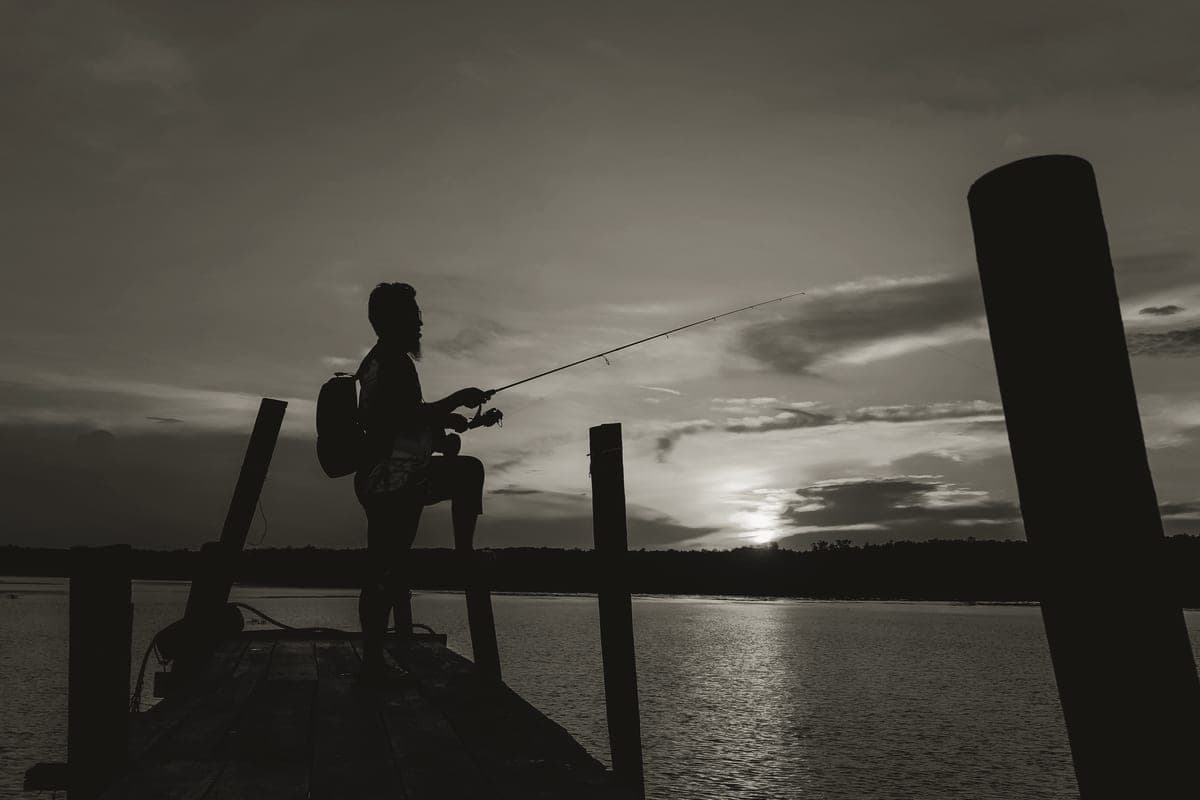
Fishing
Rods, reels, line and electronics, matched to the water you fish rather than the one in the catalog photo.
Fishing tackle is sold on adjectives and bought on regret. Power, action, gear ratio and line diameter are the four numbers that decide whether a setup works, all four are printed on the blank or the box, and none of them are ever explained. A medium-heavy fast rod with 30-pound braid is an excellent jig stick and a miserable finesse rod, and nothing in the listing says so. Every page in this section starts from what you are throwing and works backward to the gear, which is the opposite of how tackle is normally sold.
We earn a commission when you buy through our Amazon links, at no extra cost to you. It never changes the order of the picks, and we say so when the cheaper thing is the better buy. How this works.
Everything in this section
12 fishing pages
Roundup
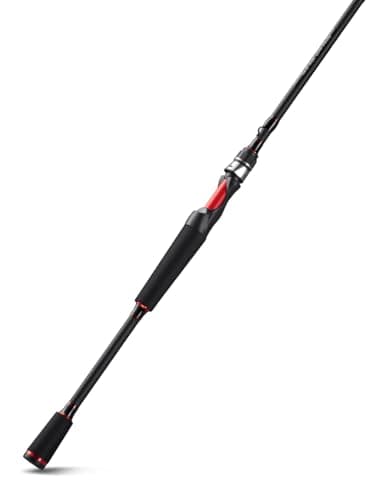
Best Fishing Rods
Six rods from ultralight to saltwater medium-heavy, chosen by power and action rather than price — plus the one that states neither.
Best all-round rod · Piscifun Torrent 7'0" MH Fast
#ad · price as of October 19, 2026
Roundup
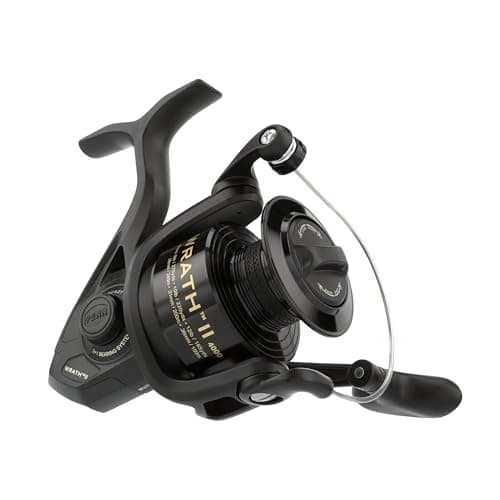
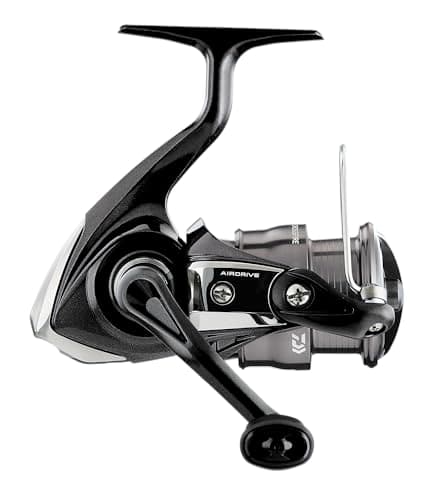
Best Spinning Reels
Six reels from a $25 ultralight to a sealed saltwater 4000, ranked on drag and corrosion resistance — plus the 33lb drag claim to ignore.
Best spinning reel · PENN Wrath II 4000
#ad · price as of October 19, 2026
Roundup
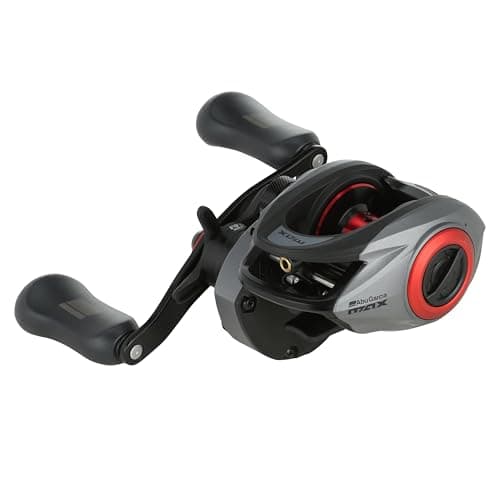
Best Baitcasting Reels
Six baitcasters from a $35 first reel to a carbon-bodied flagship, ranked on braking, gear ratio and frame material.
Best baitcaster · Abu Garcia Max Elite
#ad · price as of October 19, 2026
Roundup
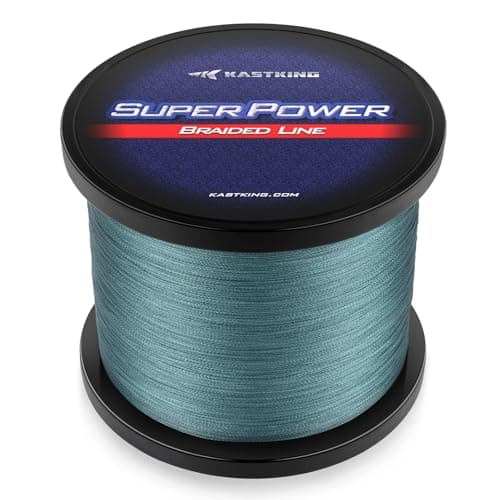
Best Fishing Line
Braid, fluorocarbon leader and the budget options, compared on stretch and visibility — plus why camo braid is not the answer.
Best fishing line · KastKing SuperPower Braid 20lb
#ad · price as of October 19, 2026
Roundup
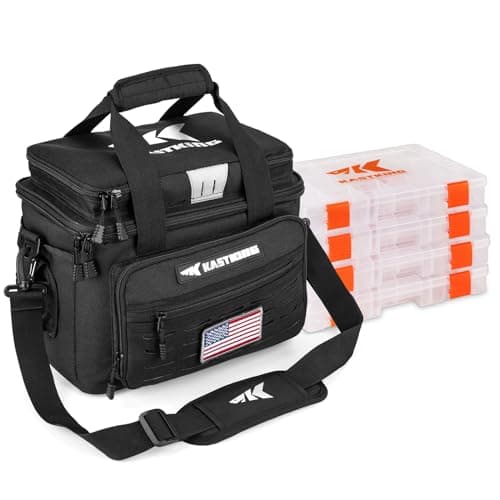
Best Tackle Boxes & Bags
Five bags and tray sets judged on organization and water resistance — plus why the 3600 tray size is the only spec that matters.
Best tackle bag · KastKing Karryall Tackle Bag
#ad · price as of October 19, 2026
Roundup
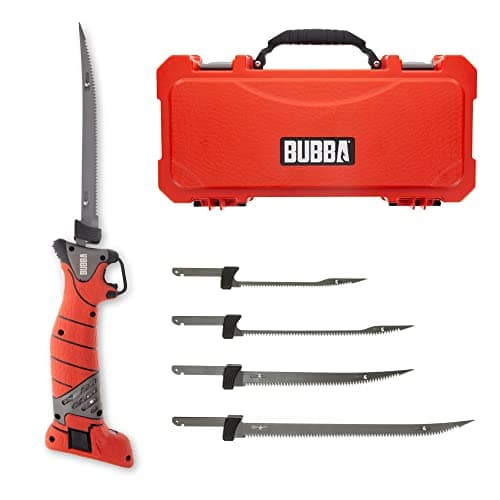
Best Fillet Knives
Six electric fillet knives from corded to premium lithium, judged on power, blade quality and grip security when wet.
Best fillet knife · BUBBA Pro Series Lithium-Ion
#ad · price as of October 19, 2026
Roundup
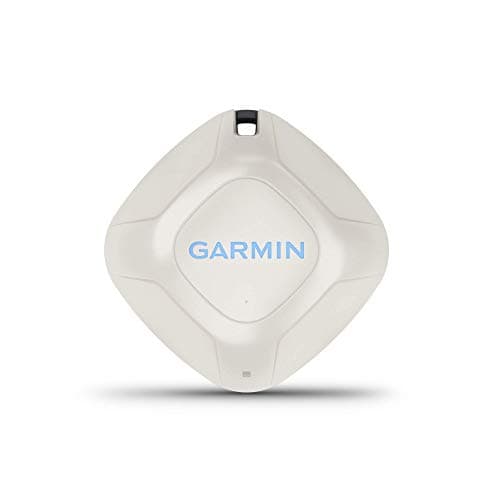
Best Fish Finders
Six portable and castable units judged on sonar clarity — plus why fish-icon displays hide the information you actually need.
Best fish finder · Garmin Striker Cast
#ad · price as of October 19, 2026
Roundup
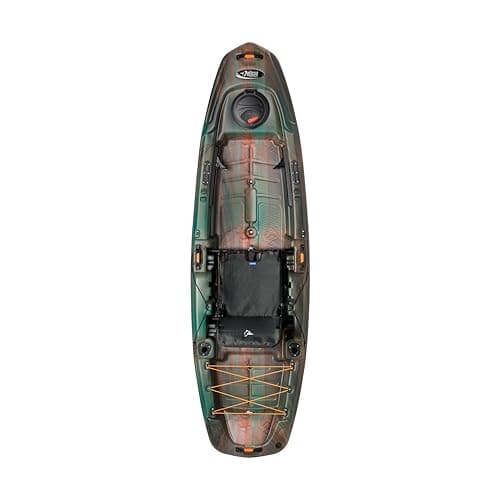
Best Fishing Kayaks
Six sit-on-top fishing kayaks judged on tracking, stability and seat comfort — plus why a two-piece hull is a bad trade.
Best fishing kayak · Pelican Catch Classic 100
#ad · price as of October 19, 2026
Head to head
Spinning vs Baitcasting Reels
The lure-weight rule that settles the argument, plus the learning curve, the accuracy difference and when owning both is right.
Head to head
Braid vs Mono vs Fluorocarbon
Stretch, visibility and density compared, with the technique each line is genuinely right for and the leader system that combines two of them.
Best line system · KastKing SuperPower Braid 20lb
#ad · price as of October 19, 2026
Buying guide
How to Choose a Fishing Rod
Work backwards from the lure: weight sets power, hook type sets action, water sets length. Plus the one rod that covers most freshwater fishing.
Best starting rod · Piscifun Torrent 7'0" MH Fast
#ad · price as of October 19, 2026
Buying guide
Fishing Gear Checklist
A complete starter setup for around $150, what to add in year two, and the five things beginners buy that they should not.
Best starter reel · Daiwa Crossfire LT
#ad · price as of October 19, 2026
Before you buy
Power and action are two different things
Power is how much force it takes to bend the rod — ultralight through heavy. Action is where along the blank that bend happens — fast rods flex near the tip, moderate rods bend through the middle. They are printed side by side and constantly confused, and getting them backward is the single most common tackle mistake.
Power should match your lure weight and line rating, both of which are printed just above the handle. Action should match your hookset. Fast action gives a quick, direct hookset for single-hook baits like jigs and worms. Moderate action loads more slowly and keeps treble hooks pinned on crankbaits, because the softer bend stops a thrashing fish from tearing free.
A medium-power, fast-action spinning rod around seven feet is the closest thing to a universal freshwater rod that exists. If you are buying one rod, that is the one, and everything else is a specialist tool bought later for a reason you can name.
Gear ratio is retrieve speed, not power
A reel's gear ratio tells you how many times the spool rotates per handle turn. Around 5:1 is slow and high-torque, which suits deep crankbaits and anything you want to keep in the strike zone. Around 7:1 and up is fast, which suits jigs, frogs and any technique where you need to pick up slack line quickly.
The specification people should read instead is inches per turn, which accounts for spool diameter and is the number that actually describes retrieve speed. Two reels with the same ratio can differ meaningfully in inches per turn, and the bigger spool wins.
Drag rating is the third number and the one that matters when a fish runs. Match maximum drag to your line — a reel with 30 pounds of drag spooled with 10-pound mono is a rod-breaking machine, not an upgrade.
Line choice is a stretch-and-visibility trade
Braid has effectively no stretch, the thinnest diameter for its strength, and it floats. That makes it the best choice for feel, for long casts, and for pulling fish out of cover — and the worst choice tied directly to a crankbait, where the lack of stretch tears hooks free.
Fluorocarbon sinks, is much harder for fish to see underwater, and stretches somewhat less than monofilament. Mono is the cheapest, stretches the most, and is genuinely the right answer for topwater and treble-hook baits for exactly that reason.
The setup that solves most of this is braid main line with a fluorocarbon leader: you get the sensitivity and casting distance of braid with the invisibility and abrasion tolerance of fluoro where it counts. It costs one knot and about two minutes.
The rest of the outpost
Other categories
- Knives & EDCThe gear that lives in your pocket every day, ranked on the three things that actually decide it: the steel, the lock, and how much you notice carrying it.
- HuntingBoots, packs, glass and cameras, judged on the specifications that decide whether you stay out all day or turn back at noon.
- CampingTents, sleep systems, stoves and coolers, sorted by whether you are carrying them on your back or lifting them out of a truck bed.
- OverlandingRooftop tents, recovery kit, air and 12-volt power, checked against your vehicle's actual ratings before anything gets recommended.
- Shooting GearOptics, cases, cleaning kit, slings, rests and hearing protection — the accessories, judged on their published numbers.
- The GarageTwo project vehicles, a soldering iron that has actually been used, and the gear pages that came out of doing the work rather than reading about it.
- PC BuildsSame instinct as the garage, smaller fasteners. How I plan a build, how the cables get tidy, and the desk gear that holds it all up.
- Home DIYSame instinct as the garage, applied to the house and the yard. Real projects, my own photographs, and the parts of each job I would do differently.