Section 02
Hunting
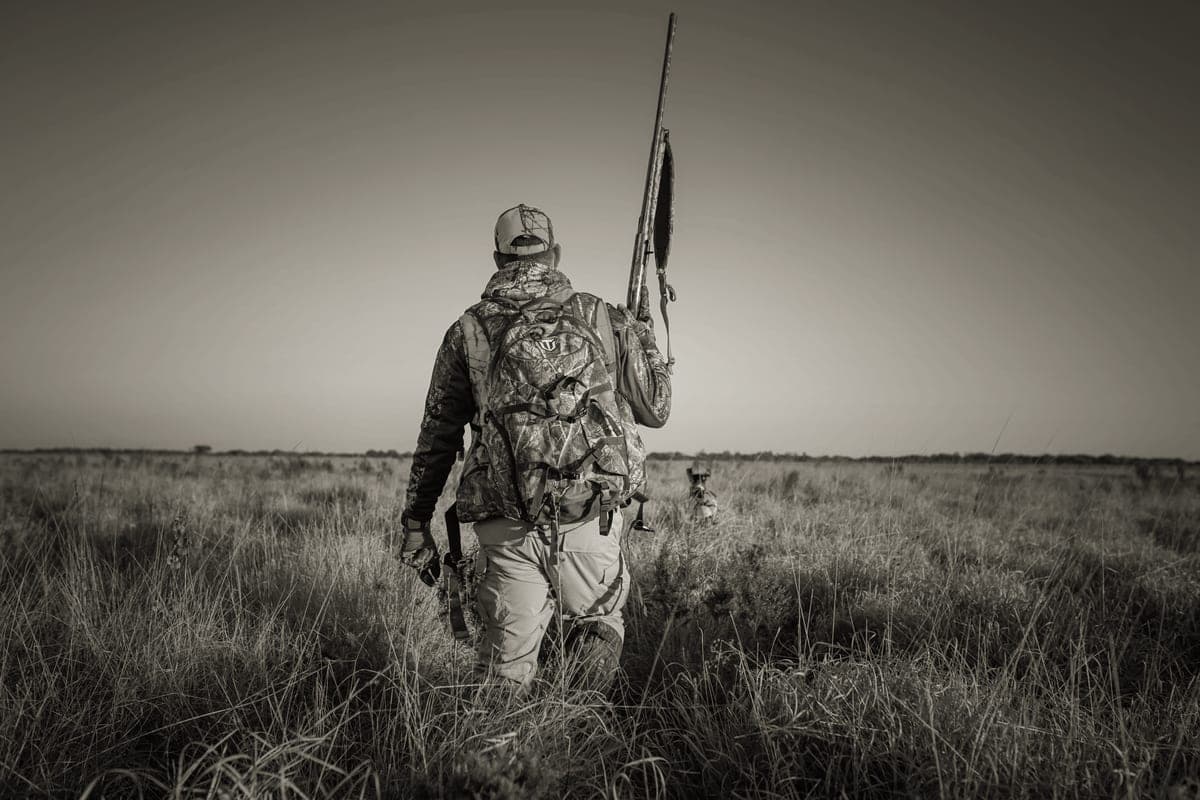
Boots, packs, glass and cameras, judged on the specifications that decide whether you stay out all day or turn back at noon.
Hunting gear fails in a predictable order. Feet first, then the pack, then whatever you were glassing with. Almost none of that is about brand — it is about matching a number on a spec sheet to the conditions you actually hunt. A 1,600-gram insulated boot is misery on an early-season elk hunt and exactly right in a December treestand, and the listing will never tell you which one you are. That matching problem is what this whole section exists to solve, and it is why nearly every page here opens with a number rather than a product.
We earn a commission when you buy through our Amazon links, at no extra cost to you. It never changes the order of the picks, and we say so when the cheaper thing is the better buy. How this works.
Everything in this section
33 hunting pages
Roundup
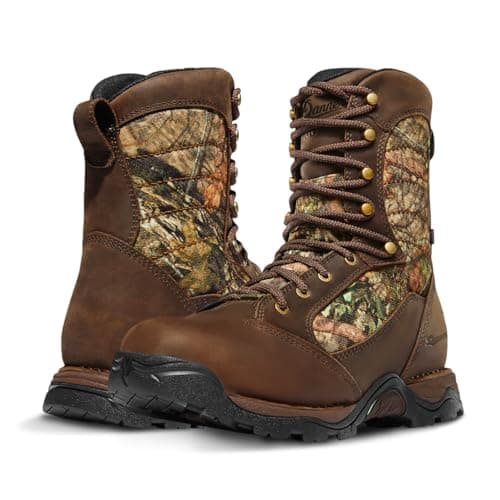
Best Hunting Boots for 2026
Six boots from 200g to 1600g, sorted by the hunt each one is actually for — plus the temperature claim you should ignore.
Best hunting boot · Danner Pronghorn 800g
#ad · we may earn a commission
Roundup
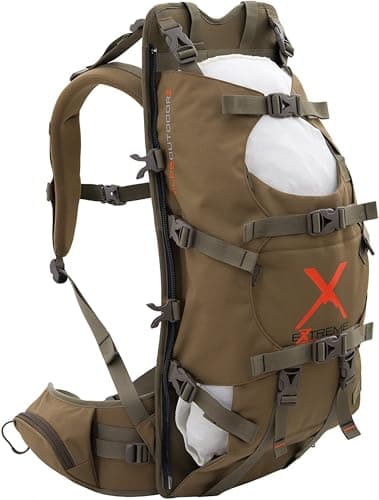
Best Hunting Backpacks
Five packs from a 40L internal frame day pack to a 90L freighter, sorted by whether you will pack meat out on your back.
Best hunting pack · ALPS OutdoorZ Extreme Commander X
#ad · we may earn a commission
Roundup
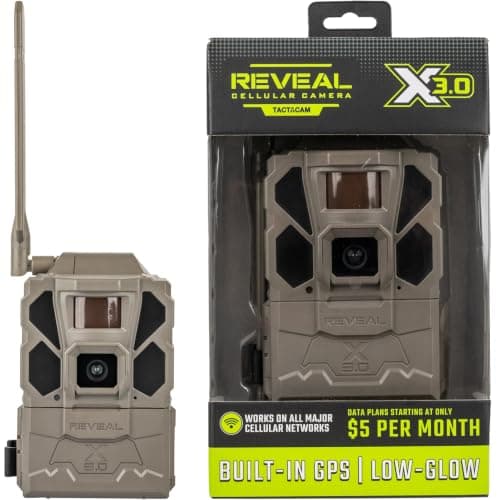
Best Trail Cameras for 2026
Six cameras, cellular and card-based, ranked on trigger speed and total running cost — plus the $19 camera that photographs empty trail.
Best trail camera · Tactacam Reveal X 3.0
#ad · price as of October 19, 2026
Roundup
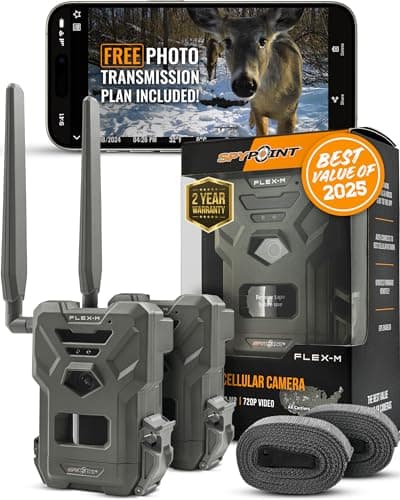
Best Cellular Trail Camera Without a Subscription
The one cellular camera you can run on a free plan, plus five card-based cameras with zero running cost — ranked on trigger speed, night image and what the plan actually costs.
Best cellular, no plan required · SPYPOINT Flex-M Twin Pack
#ad · price as of October 19, 2026
Roundup
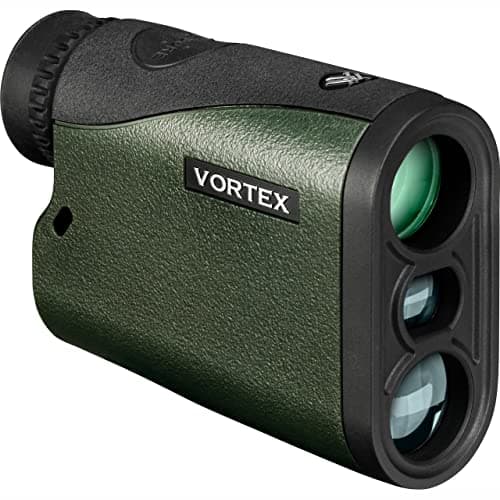
Best Rangefinders for Hunting
Six rangefinders from $38 to $200, ranked on angle compensation and low-light performance — plus why the 1000-yard claim on a cheap unit is not real.
Best rangefinder · Vortex Crossfire HD 1400
#ad · price as of October 19, 2026
Roundup
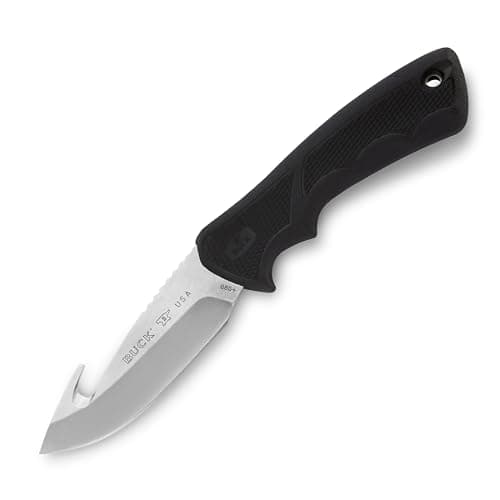
Best Hunting Knives
Six knives from a $20 skinner to a replaceable-blade caping tool, sorted by the job — plus why a folding gut hook is the wrong answer.
Best hunting knife · Buck Knives 685 BuckLite Max II
#ad · price as of October 19, 2026
Roundup
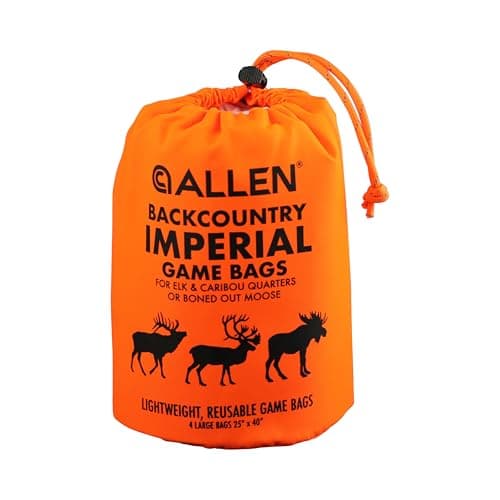
Best Game Bags
Five sets from ultralight to elk-rated heavy duty, judged on breathability, real sizing and whether they survive more than one animal.
Best game bags · Allen Company Backcountry Quarter Bags
#ad · price as of October 19, 2026
Roundup
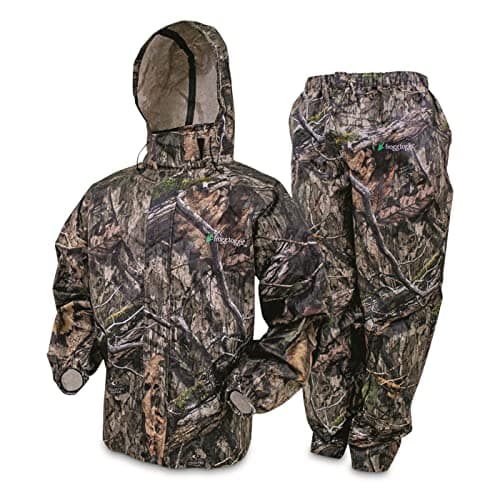
Best Hunting Rain Gear
Five jackets and suits judged on the three-way trade between waterproofing, breathability and how loud the fabric is in brush.
Best rain gear · Frogg Toggs All-Sport Rain Suit
#ad · price as of October 19, 2026
Head to head
Cellular vs Non-Cellular Trail Cameras
The running-cost arithmetic laid out, and the single question that decides whether a cellular plan earns its keep on your ground.
Best cellular camera · Tactacam Reveal X 3.0
#ad · price as of October 19, 2026
Buying guide
Do You Actually Need a Rangefinder?
The angle-compensation math worked through, the distances where estimation fails, and when a rangefinder is genuinely optional.
Best rangefinder for bowhunters · Vortex Crossfire HD 1400
#ad · price as of October 19, 2026
Buying guide
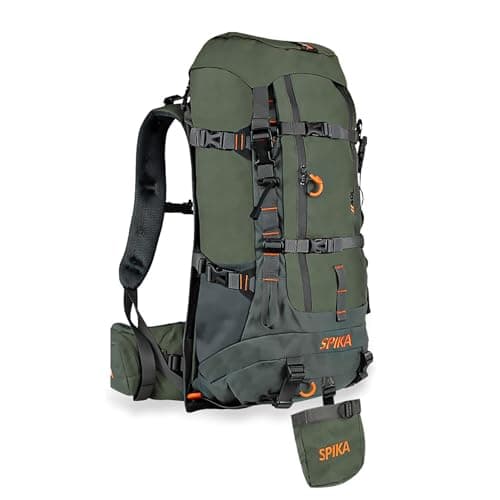
How to Pack a Hunting Pack
Load placement, the three-zone method, and a day-hunt kit list — plus what to leave in the truck.
Best pack for a day hunt · SPIKA 40L+ Internal Frame Pack
#ad · we may earn a commission
Buying guide
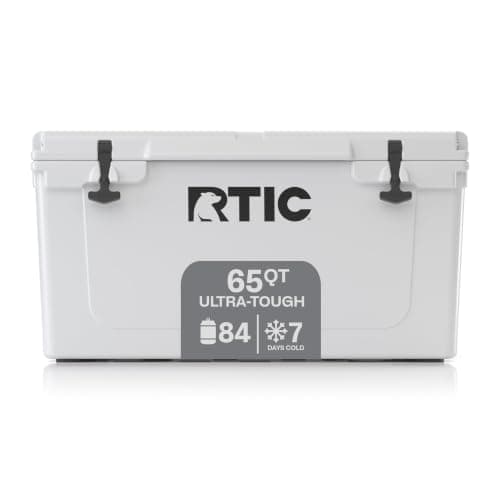
What Size Cooler Do You Need for a Deer or an Elk?
Meat weight by animal, the 1:1 ice ratio, and the quart figures that fall out of it — plus which coolers actually fit.
Best cooler for game · RTIC 65 QT Ultra-Tough
#ad · price as of October 19, 2026
Buying guide
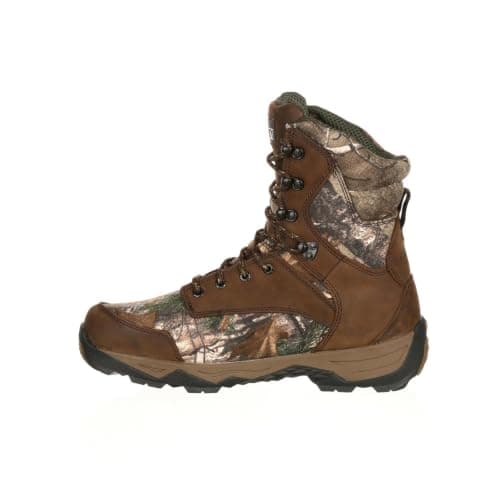
Hunting Gear Checklist
Day hunt, backcountry and kill-kit lists, plus the four items most hunters carry and shouldn't.
Best all-round hunting boot · Rocky Retraction 800G
#ad · price as of October 19, 2026
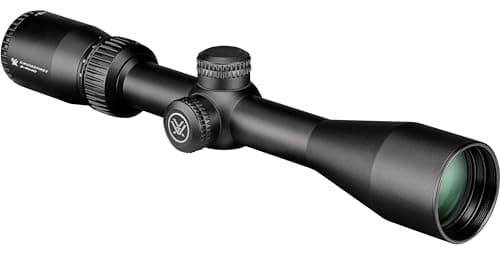
Roundup
Best Vortex Scope by Use
Seven Vortex scopes sorted by job rather than by price — deer, low light, open country, the range, rimfire and one do-everything low-power variable.
Best Vortex deer scope · Crossfire II 3-9x40, Dead-Hold BDC
#ad · price as of October 19, 2026
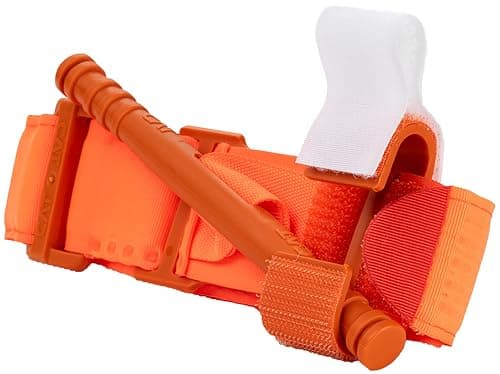
Buying guide
Vehicle Trauma and First-Aid Kits: Start With the Tourniquet
Counterfeit tourniquets are a documented problem — so this starts there, then covers the first-aid versus trauma kit distinction, what a vehicle kit should hold, and where to mount it.
Best tourniquet · North American Rescue C-A-T Combat Application Tourniquet, Gen 7
#ad · price as of October 19, 2026
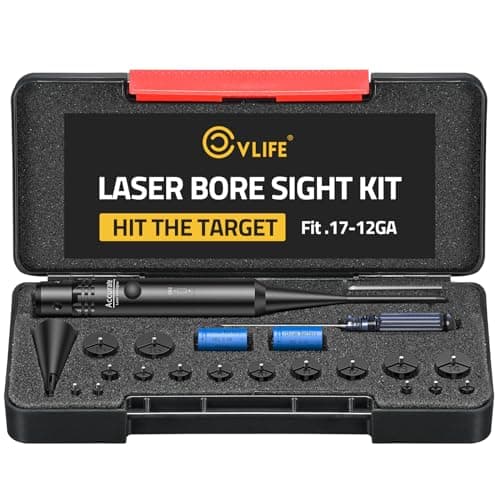
Buying guide
The Preseason Hunting Checklist
Eight weeks out to opening morning, in the order the work actually has to happen — with the handful of preseason purchases that earn their keep and one bundle to skip.
Best preseason time-saver · CVLIFE Laser Bore Sight Kit, .17 to 12GA
#ad · price as of October 19, 2026
- Roundup · No image
Roundup
Cold-Weather Hunting Clothing
The layering system for hunters who sit still: merino next to skin, fleece to insulate, bibs to close the lower-back gap, and the two accessories that decide whether the sit ends early.
Best cold-weather layering system · Merino.tech Merino Wool Base Layer Set (top, bottom and neck gaiter)
#ad · we may earn a commission
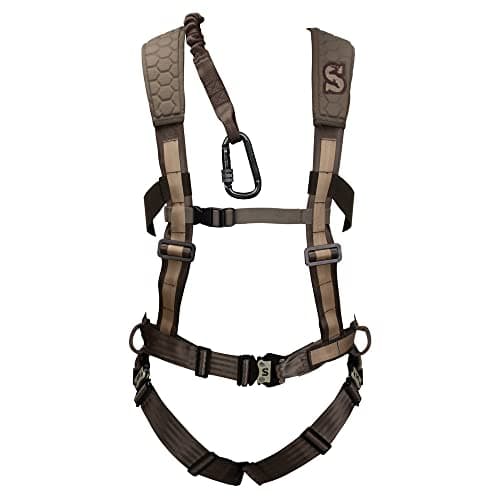
Buying guide
The Cold-Weather Stand Kit
The static-hunter kit: a harness first, then conductive heat loss, hands, a thermos and the ground-blind heater rules — with one heated gadget that is not worth its money.
Best stand-hunting cold kit · Summit Treestands Pro Safety Harness
#ad · price as of October 19, 2026
Roundup
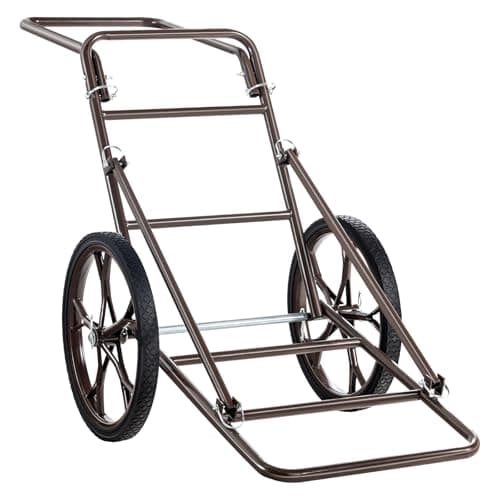
Game Carts and Deer Drags
Carts, drag harnesses, sleds and a 4:1 hoist ranked by the terrain they actually work on — plus why the capacity number on the box is the wrong thing to shop on.
Best game cart · VEVOR Deer Cart Game Hauler, 500lb, Folding
#ad · price as of October 19, 2026
Buying guide
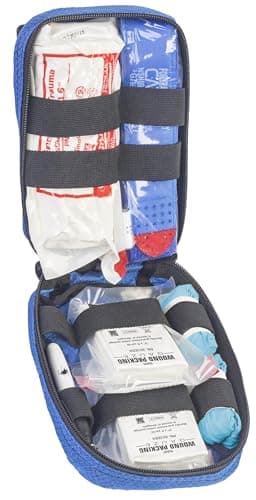
What's Actually in an IFAK
The individual first aid kit item by item: what each thing does, why the tourniquet is the one you buy genuine, and the accessory that costs more than the tourniquet and should be skipped.
Best tourniquet · North American Rescue C-A-T Combat Application Tourniquet, Gen 7
#ad · price as of October 19, 2026
Buying guide
Gear Is Not Competence
Which trauma course to take and what it actually covers, plus the deliberately non-functional blue practice gear that keeps the skill from decaying afterwards.
Best trainer kit · North American Rescue Public Access Bleeding Control BLUE Trainer Kit
#ad · price as of October 19, 2026
Roundup
Best Gear for a Western Elk Hunt
Eight picks for a first western elk hunt — the frame pack, the quarter bags, the glass and the tripod — plus the one category where this site will not make a recommendation.
Best elk hunting pack · ALPS OutdoorZ Extreme Commander X
#ad · we may earn a commission
Buying guide
Field Dressing a Deer: The Kit
The six-item kit for breaking down a deer, the order to do it in, and an honest comparison of fixed-blade against replaceable-blade knives.
Best knife for field dressing · Buck Knives 685 BuckLite Max II
#ad · price as of October 19, 2026
Roundup
Best Trail Cameras for Security
Six trail cameras judged as property monitors rather than hunting tools — alert speed, detection range, no-glow flash and what the subscription actually costs.
Best trail camera for security · Tactacam Reveal X 3.0
#ad · price as of October 19, 2026
Roundup
Best Budget Hunting Gear
Seven value picks, every one under about a hundred and fifteen dollars, plus an honest list of the three categories where cheap is the wrong answer.
Best budget hunting kit · Rocky Retraction 800G
#ad · price as of October 19, 2026
Roundup
Best Rangefinders for Bow Hunting
Angle compensation is the feature archery needs and the budget tier omits — five rangefinders ranked on that rather than on maximum range, with live prices.
Best bow hunting rangefinder · Vortex Crossfire HD 1400
#ad · price as of October 19, 2026
Roundup
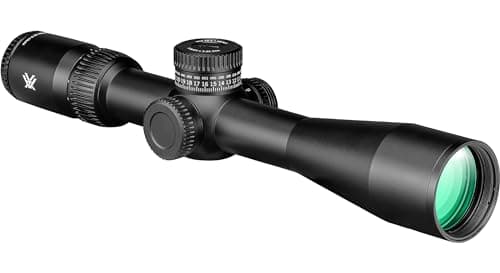
Best Rifle Scopes for Elk Hunting
Six scopes ranked for a mountain rifle rather than a bench: magnification by job, weight at the top of a climb, and the one most elk hunters should stop at.
Best elk hunting scope · Viper HD 3-15x44 SFP, VMR-3 (MOA)
#ad · price as of October 19, 2026
Roundup
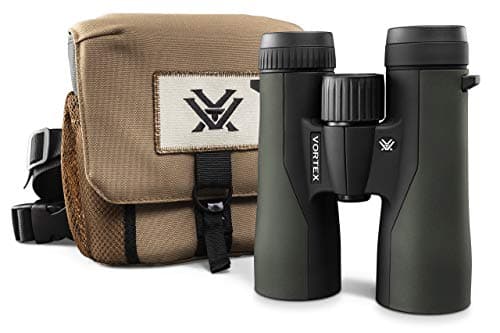
Best Binoculars for Elk Hunting
Why 10x42 on a tripod out-sees better handheld glass, three Vortex tiers compared, the cheapest way to mount what you own, and when a spotter earns its weight.
Best elk hunting binoculars · Vortex Crossfire HD 10x42
#ad · price as of October 19, 2026
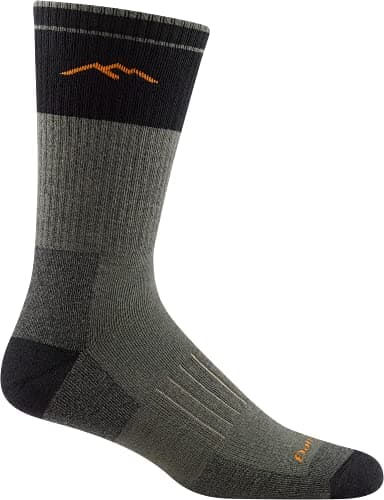
Buying guide
How to Keep Your Feet Warm Hunting
The four causes of cold feet in order of how often they are the real one, and the fix for each — starting with the sock, which is where most people make it worse.
Top pick · Darn Tough Vermont Hunting Boot Sock, Heavyweight Full Cushion
#ad · price as of October 19, 2026
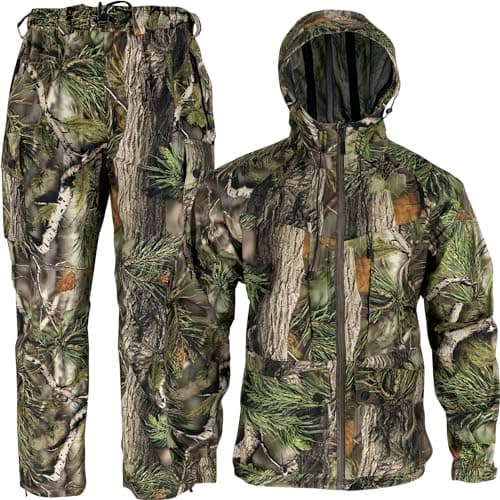
Roundup
Best Quiet Rain Gear for Bow Hunting
Five rain options ranked on noise rather than price, including the best-value suit on this site, which is the wrong buy for a bow and says so on its own listing.
Best quiet rain suit · AYIN Silent Rain Suit
#ad · price as of October 19, 2026
Buying guide
Waterproof vs Water Resistant Hunting Gear
The three label words decoded, what DWR is and why it stops working, and why a breathable membrane matters more than the waterproof claim itself.
Top pick · Frogg Toggs All-Sport Rain Suit
#ad · price as of October 19, 2026
Buying guide
What Size Hunting Pack Do You Need?
Pack capacity by hunt type: about 40L for a day, 50-65L overnight, 80L+ for backcountry, and a frame when the load is an animal. Plus the rule that a pack gets filled because it is there.
Best 40L hunting pack · SPIKA 40L+ Internal Frame Pack
#ad · we may earn a commission
Head to head
Internal vs External Frame Hunting Packs
Frame architecture decided properly: load transfer against mobility, what a meat shelf really gives you, the hybrid middle ground, and the load rating most budget frames do not publish.
Best external-frame pack · ALPS OutdoorZ Extreme Commander X
#ad · we may earn a commission
Before you buy
Insulation grams are a temperature rating in disguise
Boot insulation is quoted in grams per square meter of Thinsulate or an equivalent, and it maps roughly onto activity level rather than onto air temperature. Uninsulated and 200-gram boots are for early season and any hunt where you are covering ground; you generate your own heat and extra insulation just makes you sweat, which then freezes when you stop.
The 400 to 800-gram range is the general-purpose band: cold mornings, moderate movement, most whitetail seasons in most states. Above 1,000 grams you are buying a sitting boot — a treestand in December, a late-season blind, a stand you walk to slowly and then do not leave. Wearing a 1,600-gram pac boot on a spot-and-stalk hunt is one of the most common and most avoidable gear mistakes in this category.
One number the listings do not give you: fit with the sock you actually wear. Insulation only works if there is loft and air around your foot. A boot crammed tight with a heavy sock is colder than a looser boot with a thinner one, and no amount of Thinsulate fixes compression.
Pack frames are rated for a load you should take seriously
An internal-frame day pack and an external-frame meat hauler are different tools with overlapping marketing. If there is any chance you will pack an animal out on your back, the frame's stated load rating is the specification that matters and the one to buy around — a frame rated for 60 pounds carrying a boned-out elk quarter plus your kit is being asked to do something it was not designed for.
Capacity in liters is the second number, and it is easier to get wrong in the generous direction. A 40-liter pack forces discipline. A 90-liter pack gets filled because it is there, and then you carry it. Buy for the day you actually hunt, not for the one trip a year that is different.
With trail cameras, trigger speed and recovery beat megapixels
Megapixel counts on trail cameras are the least useful number printed on the box, because most cameras interpolate them upward from a much smaller sensor. The specifications that decide whether you get a usable picture of a deer crossing a lane are trigger speed — the delay between detection and the shutter firing — and recovery time, the gap before the camera can fire again.
Below about half a second of trigger speed, a walking deer is in frame. Above a second, you photograph a lot of empty trail and the occasional tail. Detection range and the flash type matter next: no-glow infrared is invisible to game and to people walking your property, at the cost of shorter effective night range than low-glow.
Cellular models add a monthly cost that dwarfs the camera price over a season, which is why we keep a separate page for cameras that need no subscription at all. Run the annual number before the purchase, not after the first bill.
Pick the scope configuration before you pick the brand
There is a Vortex page in this section that sorts their riflescopes by job rather than by price, because the configuration is decided by what you shoot at and in what light long before budget narrows it down. A 3-9x40 with a holdover reticle is the deer configuration and has been for decades. A 4-12x44 suits open country and is a genuine handicap in timber, because the lowest magnification is what decides whether you can take a close shot. A rimfire scope exists for one real reason — parallax set close, so the reticle does not float against the target at fifty yards.
The one thing worth knowing before you trust any of it: BDC holdover marks are calibrated to an assumed velocity and ballistic coefficient, and your rifle, your load and your altitude are not the ones in that calculation. Confirm every mark on paper at the distance it claims before you use it on an animal. And on a second-focal-plane scope, the marks only mean anything at the calibrated magnification — dial it down and they silently stop being true. That catches more hunters out than any other single thing in riflescopes.
The rest of the outpost
Other categories
- Knives & EDCThe gear that lives in your pocket every day, ranked on the three things that actually decide it: the steel, the lock, and how much you notice carrying it.
- CampingTents, sleep systems, stoves and coolers, sorted by whether you are carrying them on your back or lifting them out of a truck bed.
- FishingRods, reels, line and electronics, matched to the water you fish rather than the one in the catalog photo.
- OverlandingRooftop tents, recovery kit, air and 12-volt power, checked against your vehicle's actual ratings before anything gets recommended.
- Shooting GearOptics, cases, cleaning kit, slings, rests and hearing protection — the accessories, judged on their published numbers.
- The GarageTwo project vehicles, a soldering iron that has actually been used, and the gear pages that came out of doing the work rather than reading about it.
- PC BuildsSame instinct as the garage, smaller fasteners. How I plan a build, how the cables get tidy, and the desk gear that holds it all up.
- Home DIYSame instinct as the garage, applied to the house and the yard. Real projects, my own photographs, and the parts of each job I would do differently.