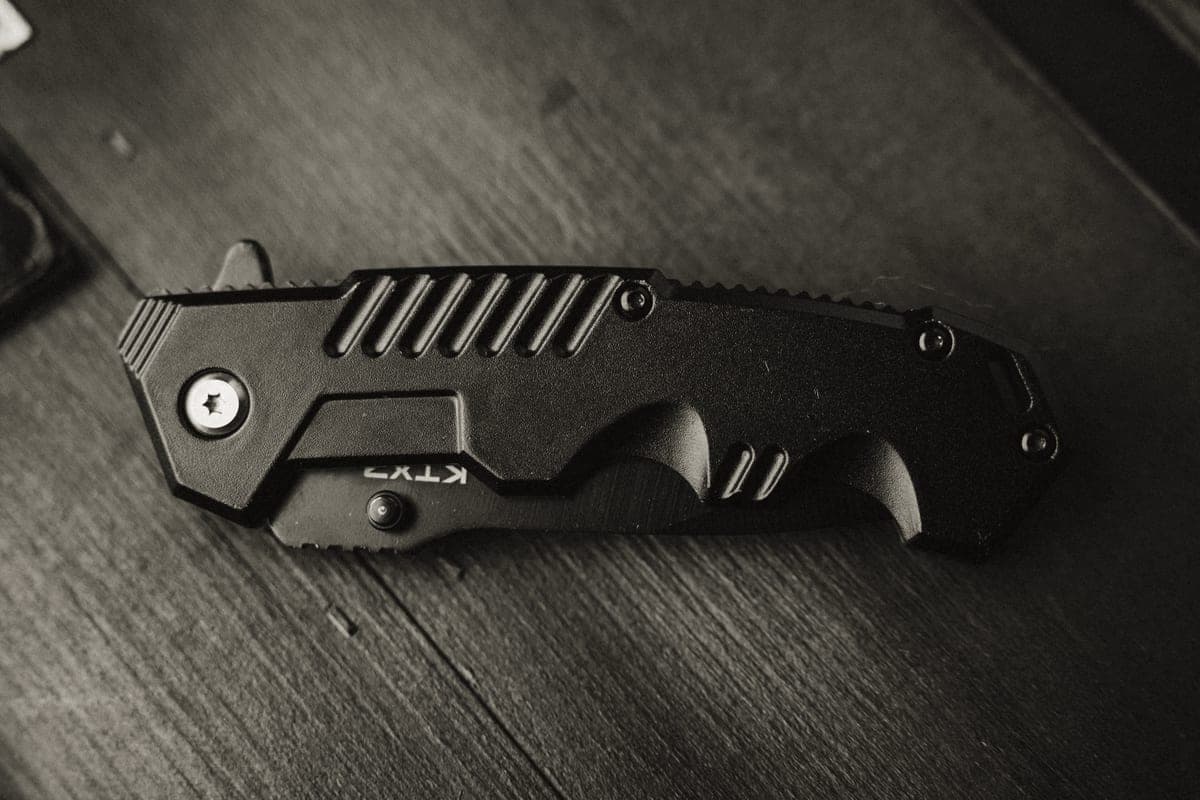
Section 01
Knives & EDC
The gear that lives in your pocket every day, ranked on the three things that actually decide it: the steel, the lock, and how much you notice carrying it.
Everyday carry is the category where the most money gets spent on the least reasoning. A $200 folder and a $30 folder both open a box. What separates them is how long the edge lasts once you are a dozen cuts in, whether the lock is still tight after a year of use, and whether the knife is light enough that you actually have it on you when you need it — because the best knife in the world is the one sitting in a drawer at home. Everything in this section is judged against those three, in that order, and the price is checked live before it is shown to you.
We earn a commission when you buy through our Amazon links, at no extra cost to you. It never changes the order of the picks, and we say so when the cheaper thing is the better buy. How this works.
Everything in this section
28 knives & edc pages
Roundup
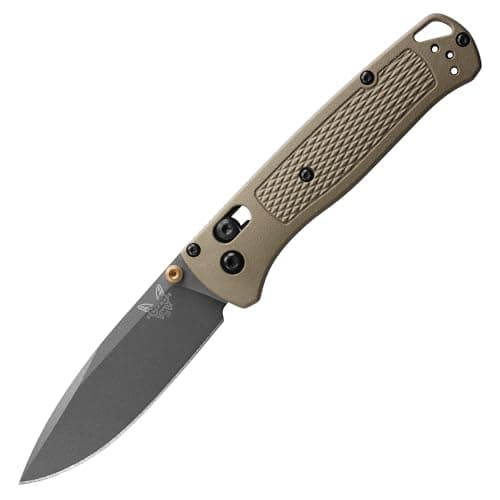
Best EDC Knives for 2026
Bugout, Para Military 2, Praxis and three more, ranked on steel, lock and weight — plus the search-result favorite that is not worth buying.
Best EDC knife · Benchmade Bugout 535GRY-1
#ad · price as of October 19, 2026
Roundup
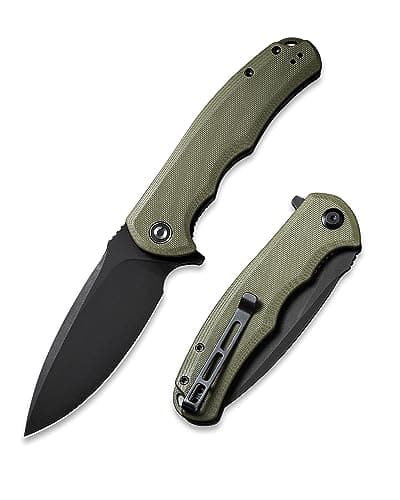
Best EDC Knives Under $100
D2 and 9Cr18MoV folders from CIVIVI, Kizer, Gerber and Kershaw — the bracket where a knife stops being disposable.
Best under $100 · CIVIVI Praxis C803F
#ad · price as of October 19, 2026
Roundup
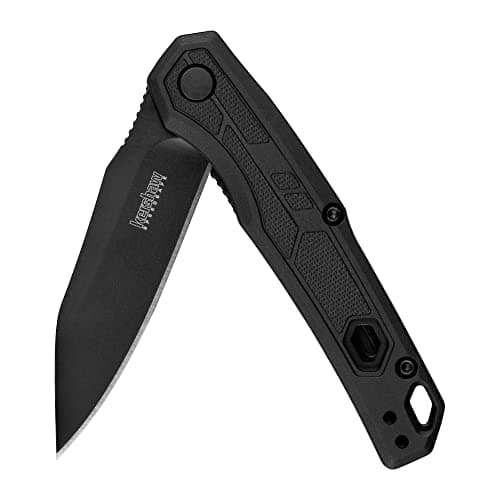
Best Budget EDC Under $30
Five sub-$30 folders from companies with real warranties, plus the search-result favorite that is not worth your money.
Roundup
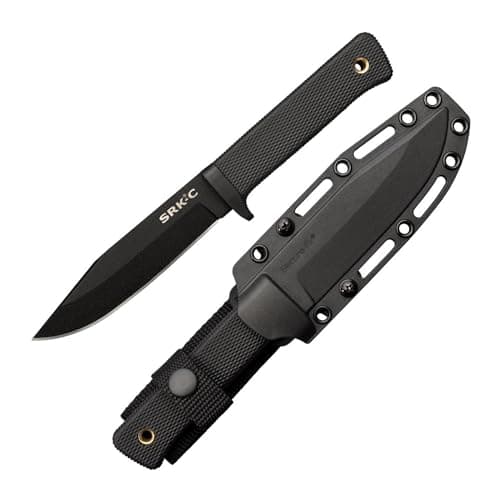
Best Fixed Blade Knives
Six fixed blades from bushcraft to budget D2, judged on tang, steel and whether the sheath actually retains the knife.
Best fixed blade · Cold Steel SRK Compact
#ad · price as of October 19, 2026
Roundup
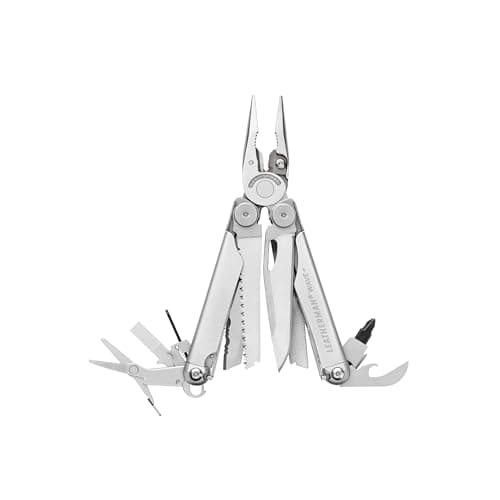
Best Multitools for 2026
Wave+, Suspension NXT, Surge, Dime and Signal ranked on the things that actually differ — plus the $10 option to avoid.
Roundup
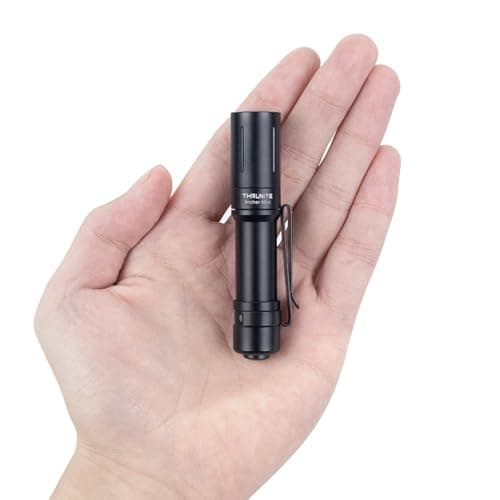
Best EDC Flashlights
Five pocket lights from keychain size to premium, judged on published runtime data rather than headline lumen claims.
Best EDC flashlight · ThruNite Archer Mini
#ad · price as of October 19, 2026
Roundup
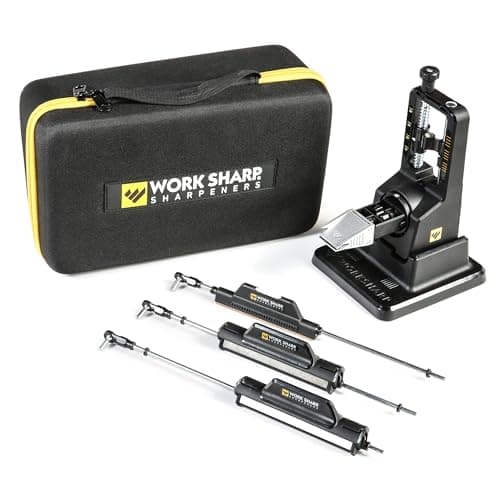
Best Knife Sharpeners
Guided systems and whetstones compared on the one variable that decides results — whether the system holds the angle for you.
Best sharpener · Work Sharp Precision Adjust Elite
#ad · price as of October 19, 2026
Roundup
Best EDC Gear for 2026
Knife, light, multitool, wallet and organizer — the complete everyday carry kit, chosen to work together rather than to photograph well.
Roundup
Best EDC Pouches & Pocket Organizers
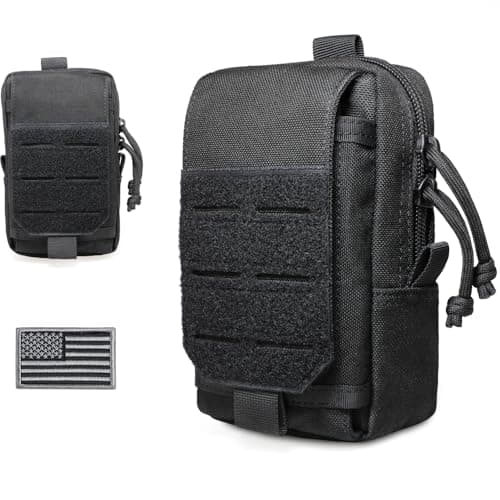
Five organizers from full MOLLE admin pouches to slim pocket sleeves, judged on layout, mounting and whether the zipper will survive.
Best EDC pouch · WYNEX Tactical EDC Pouch
#ad · price as of October 19, 2026
Roundup
Best EDC Wallets
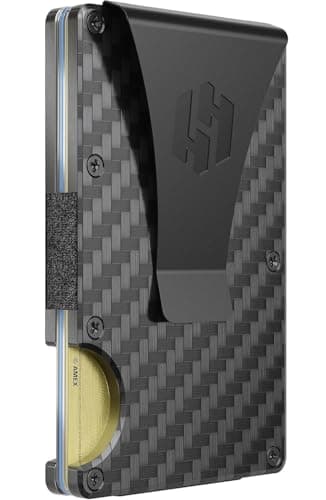
Five slim wallets from machined metal to under-$10 aluminum, judged on capacity, cash handling and whether the clip will last.
Best EDC wallet · Hayvenhurst Metal Wallet
#ad · price as of October 19, 2026
Head to head
Benchmade Bugout vs Spyderco Para Military 2
The lightweight Axis-lock Bugout against the hard-use compression-lock PM2 — which one your carry actually calls for.
Best premium folder · Benchmade Bugout 535GRY-1
#ad · price as of October 19, 2026
Head to head
Leatherman vs Gerber Multitools
Wave+ against Suspension NXT: outside-accessible blades, locking tools and a 25-year warranty versus a third of the price.
Best multitool value · Leatherman Wave+
#ad · price as of October 19, 2026
Buying guide
Knife Steel Guide: What the Designations Actually Mean
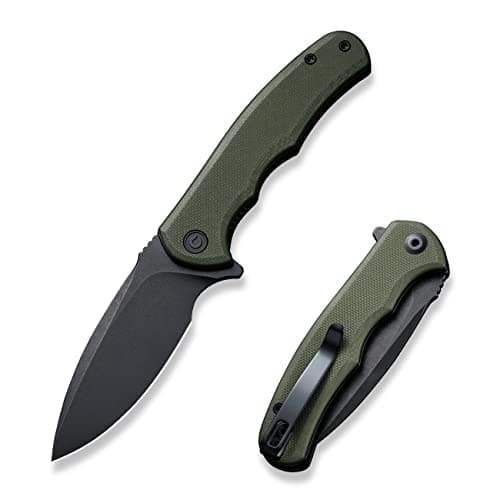
The three-way trade between edge retention, toughness and corrosion resistance — and which steel to buy for how you actually sharpen.
Best steel for most people · CIVIVI Mini Praxis
#ad · price as of October 19, 2026
Buying guide
How to Sharpen a Pocket Knife
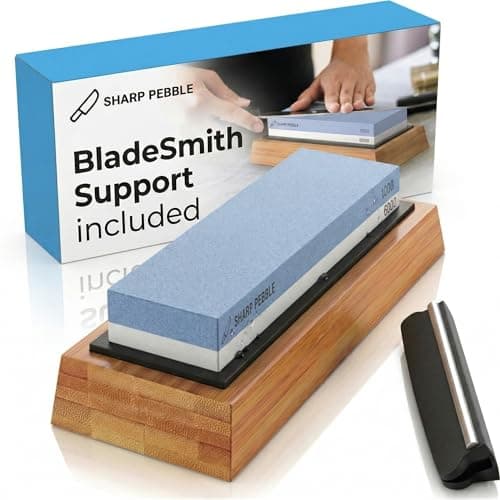
The whetstone method step by step, including the burr test that tells you when to stop — plus three sharpeners that suit different levels of patience.
Best sharpener for beginners · Sharp Pebble 1000/6000 Whetstone
#ad · price as of October 19, 2026
Buying guide
What Is EDC, Actually?
The term explained plainly, what belongs in a first kit, what the hobby adds that you do not need, and three sensible starting purchases.
Buying guide
Building an EDC Loadout
A slot-by-slot method for assembling everyday carry, with a weight budget and the four items that consistently earn their place.
Best loadout anchor · CIVIVI Praxis C803F
#ad · price as of October 19, 2026
Review
Are Benchmade Knives Worth the Money?
What $200 actually buys in a Benchmade, the LifeSharp warranty, and the three cases where a $40 CIVIVI is the better purchase.
Best premium EDC knife · Benchmade Bugout 535GRY-1
#ad · price as of October 19, 2026
Buying guide
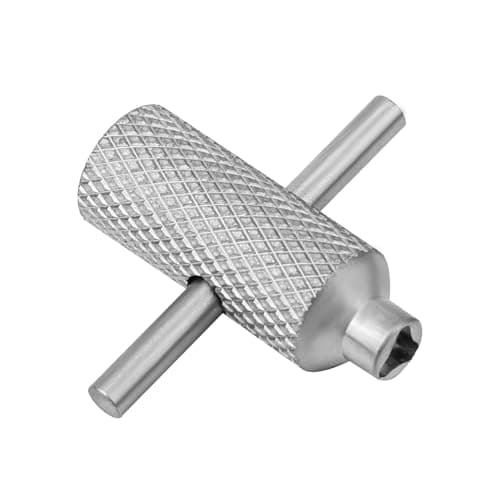
Microtech Knives: An Honest OTF Guide
The OTF lineup explained, state automatic-knife law without the hand-waving, and the care gear an owner actually needs — because the knives themselves are not honestly buyable here.
Best OTF owner's tool · Triangle Screwdriver Removal Tool Set for Ultratech / UTX-85
#ad · price as of October 19, 2026
Review
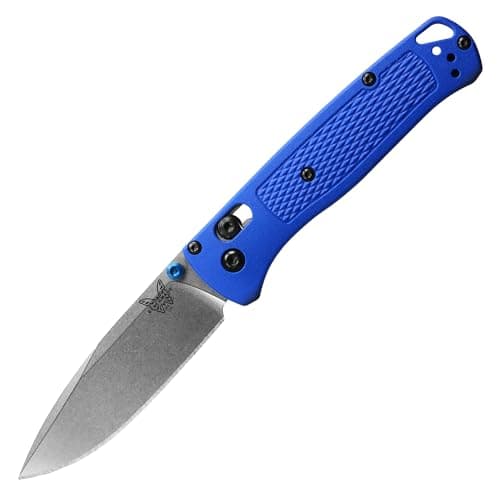
Is the Microtech Ultratech Worth It?
The Ultratech case, made fairly in both directions — plus the five folders Amazon will actually sell you at Ultratech money, since the Ultratech itself is not listed there.
Best knife at Ultratech money · Bugout 535, CPM-S30V
#ad · price as of October 19, 2026
Roundup
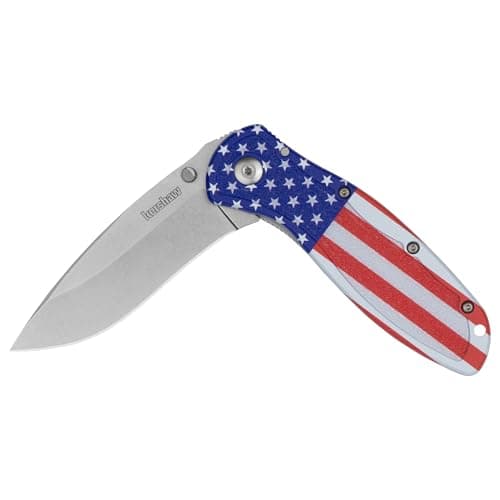
Best Microtech Alternatives
Seven fast-deploying folders from $20 to $91, ranked on how quickly they open and how securely they lock — plus the duplicate Kershaw listing that costs double for a finish.
Best OTF alternative · Blur USA Flag, 3.4in 14C28N, Assisted
#ad · price as of October 19, 2026
Review
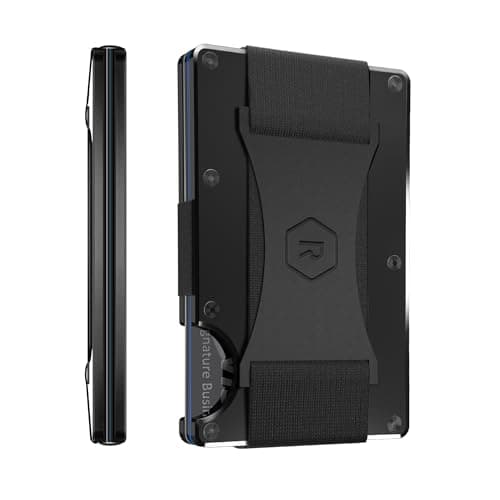
Ridge Wallet Review: Pros, Cons, and the Colorway Trap
Every Ridge variant with a live price, the capacity and wear limits stated plainly, the seven-dollar part that saves the wallet, and the listing to skip.
Best Ridge wallet · Ridge Wallet, Aluminum, Cash Strap (Royal Black)
#ad · price as of October 19, 2026
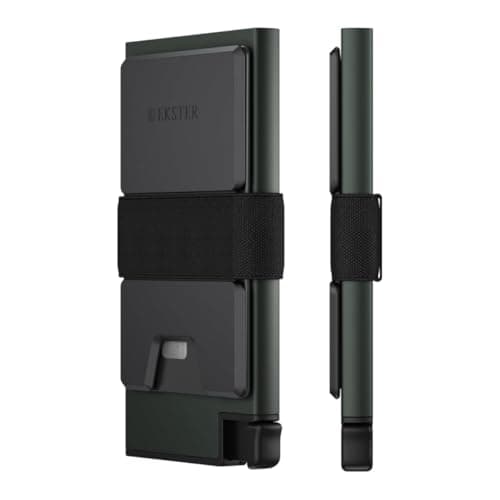
Head to head
Ridge vs the Cheaper Alternatives
Seven minimalist wallets from $15 to $129 compared on card access, capacity and build — and the honest answer to whether the Ridge premium is real.
Best minimalist wallet · Aluminum Cardholder, Fits 12 Cards
#ad · price as of October 19, 2026
Roundup
The Complete Minimalist EDC
Seven items that make a complete minimalist carry — wallet, two light options, two blade options, the organizer, and the thirty-dollar tray I would skip.
Best minimalist EDC kit · Ridge Wallet, Aluminum, Cash Strap (Royal Black)
#ad · price as of October 19, 2026
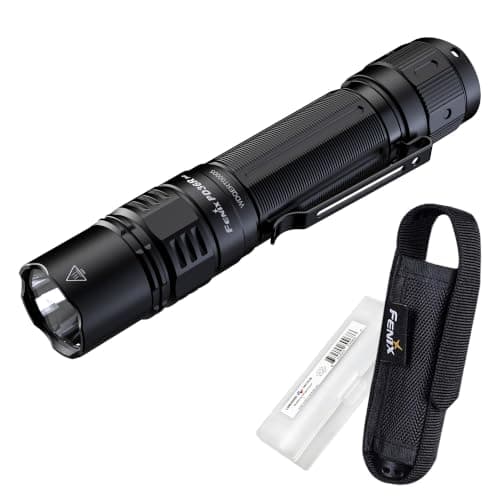
Roundup
Best Rechargeable Tactical Flashlights
Six rechargeable tactical lights judged on what they sustain rather than what they peak at, plus the three measurements that separate an honest listing from a fictional one.
Best rechargeable tactical light · Fenix PD36R Pro (2,800 lumens, 21700, USB-C)
#ad · price as of October 19, 2026
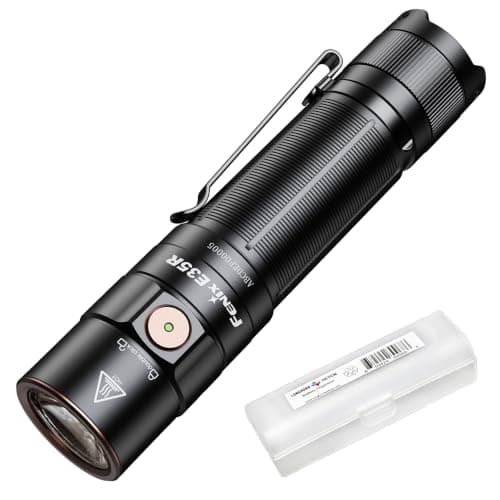
Roundup
Best EDC Rechargeable Flashlights
Six pocket-clip rechargeable lights from pen-size to flagship, ranked on sustained output and carryability, with the honest limits of each body format.
Best pocket rechargeable · Fenix E35R (3,100 lumens)
#ad · price as of October 19, 2026
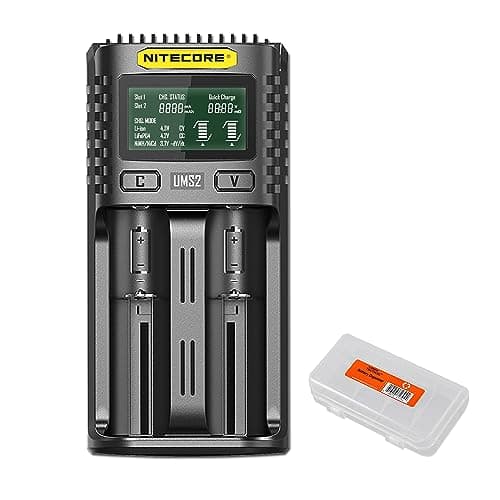
Buying guide
18650 vs 21700: Flashlight Battery Platforms Explained
What the numbers mean, why 21700 changed the category, what protected cells are for, onboard versus bay charging — and an honest warning about buying loose cells on a marketplace.
Best cell charger · Nitecore UMS2 Dual-Slot USB Charger
#ad · price as of October 19, 2026
- Buying guide · No image
Buying guide
How Many Lumens Do You Need?
Lumens versus candela, the FL 1 standard that makes either number comparable, how many you need by job, and five lights chosen because their listings publish both figures.
Best light with published candela · Streamlight MacroStream (500 lumens, 2,000 candela)
#ad · we may earn a commission
Roundup
Best Flashlights for a Power Outage
Six picks for a blackout: a magnetic tail cap that lights a room, a light that runs on an AA you can buy anywhere, two headlamps for the rest of the house, and a charger that runs off USB.
Best outage flashlight · Fenix E35R (3,100 lumens)
#ad · price as of October 19, 2026
Before you buy
Steel is a trade, not a ranking
Knife steel gets discussed like a leaderboard, and it is not one. Every alloy trades three properties against each other: edge retention, toughness, and corrosion resistance. Push one up and at least one of the others comes down. That is metallurgy, not marketing.
In practice this means the budget steels most people already own — 8Cr13MoV, 1.4116, 4Cr13 — are easy to sharpen, rust slowly, and go dull faster. The mid-tier steels that show up around the $30 to $60 mark, mostly D2 and 14C28N, hold an edge noticeably longer and are more work to bring back. The premium powder steels, S30V and S35VN and MagnaCut, hold longer still, and the first two will fight you on a cheap pull-through sharpener.
The honest conclusion is that steel choice should follow how you sharpen, not the other way around. If you own a guided system and use it, premium steel pays off. If your plan is a $10 pull-through in a kitchen drawer, D2 will frustrate you and 14C28N will not.
The lock matters more than the blade shape
Blade shape is mostly preference. Lock type is not. A liner lock and a frame lock are simple, one-handed and proven, and they wear over years of use — you can feel it when the lock bar creeps further across the tang. A back lock is stronger in the direction that matters and slower to close. Axis-style locks are the easiest to operate with either hand and have the most parts to gum up with pocket lint.
Whatever the type, the test is the same and takes five seconds in your hand: open it, hold it firmly by the handle only, and give the spine a light tap against your palm. If the lock shifts or the blade closes at all, that knife is defective and goes back. That is a check we describe rather than a test we ran — we have not handled these units, and we are not going to say otherwise.
Weight decides whether you carry it
The single most useful number in an EDC listing is the one people skim past: weight in ounces. Around three ounces, a folder disappears in a pocket. Around five, you notice it against your leg all day. Above six, most people stop carrying it within a month and the purchase was wasted regardless of how good the steel was.
The same logic runs through the rest of the section. A multitool you leave in the truck has a functional score of zero. A flashlight that needs a proprietary cable you do not have is a flashlight you will not charge. When we score carry weight and everyday practicality separately from cutting performance, this is why: gear that stays home does not count, no matter what the spec sheet says.
Two brands worth knowing about, for opposite reasons
There is a brand series running through this section covering Microtech and Ridge, and the two pages could not be less alike in what they conclude. Microtech makes the out-the-front automatic everything else gets compared to — and Amazon does not carry them at all. Running every model name through the same product API that prices every button on this site returns replacement screws, aftermarket sheaths and unrelated folders, and not one genuine Microtech knife. So the brand guide covers the lineup, the federal and state law on automatic knives, and what to buy instead, and it links nothing.
Ridge is the opposite case: fully available, fully monetized, and the interesting problem is the pricing rather than the product. At the last price check the identical aluminum wallet ran from $69 to $95 depending on the colorway, with a team-licensed carbon fiber version $25 above the plain one. Nothing about the wallet changes across those listings. Open every colorway before you buy, and take the cheapest one you can live with.
The connecting thread is the same test this whole section runs on: what does the money actually buy, and would I spend it myself. Sometimes that answer is a four-hundred-dollar knife bought direct from the maker, and sometimes it is a fifteen-dollar wallet that does eighty percent of the job.
The rest of the outpost
Other categories
- HuntingBoots, packs, glass and cameras, judged on the specifications that decide whether you stay out all day or turn back at noon.
- CampingTents, sleep systems, stoves and coolers, sorted by whether you are carrying them on your back or lifting them out of a truck bed.
- FishingRods, reels, line and electronics, matched to the water you fish rather than the one in the catalog photo.
- OverlandingRooftop tents, recovery kit, air and 12-volt power, checked against your vehicle's actual ratings before anything gets recommended.
- Shooting GearOptics, cases, cleaning kit, slings, rests and hearing protection — the accessories, judged on their published numbers.
- The GarageTwo project vehicles, a soldering iron that has actually been used, and the gear pages that came out of doing the work rather than reading about it.
- PC BuildsSame instinct as the garage, smaller fasteners. How I plan a build, how the cables get tidy, and the desk gear that holds it all up.
- Home DIYSame instinct as the garage, applied to the house and the yard. Real projects, my own photographs, and the parts of each job I would do differently.