Section 03
Camping
Tents, sleep systems, stoves and coolers, sorted by whether you are carrying them on your back or lifting them out of a truck bed.
Nearly every bad camping purchase comes from buying for the wrong trip. Car-camping gear is heavy, cheap and comfortable. Backpacking gear is light, expensive and spartan. The listings for both use exactly the same words. A nine-pound tent is a bargain at the truck and a punishment three miles in, and a 900-gram shelter is an expensive way to be cramped in a state park. So the first question on every page in this section is not which product — it is which trip, because that answer changes the winner completely.
We earn a commission when you buy through our Amazon links, at no extra cost to you. It never changes the order of the picks, and we say so when the cheaper thing is the better buy. How this works.
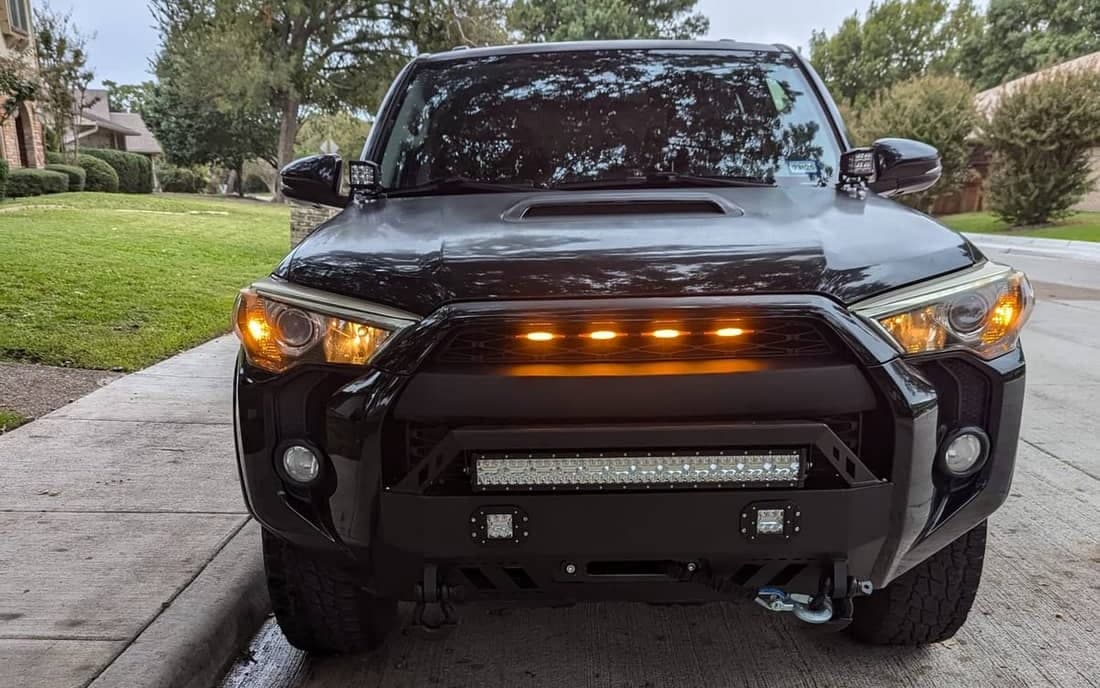
See the truck most of this gear rides in
My 4Runner build
Car camping and overlanding both start with the vehicle. This is mine: a 2014 4Runner Trail Premium with a plywood drawer system I built to the shape of the cargo floor, a bought-in MOLLE panel kit, a bumper and winch, ditch lights, radios and the wiring behind all of it — with my own photographs and what I actually paid.
See the 4Runner buildEverything in this section
12 camping pages
Roundup
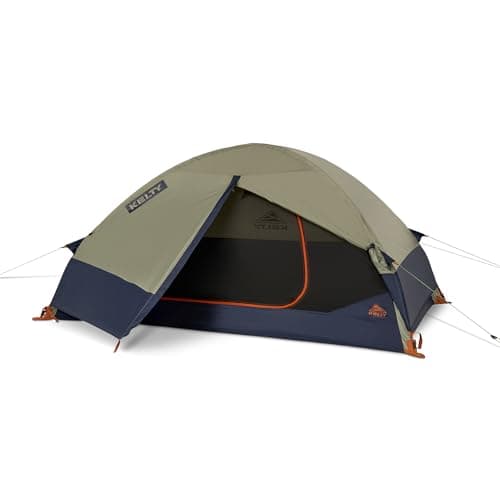
Best Camping Tents for Two People
Six two-person tents judged on poles, fly coverage and wall construction — including the single-wall tent that will rain on you from the inside.
Best 2-person tent · Kelty Late Start 2P
#ad · price as of October 19, 2026
Roundup
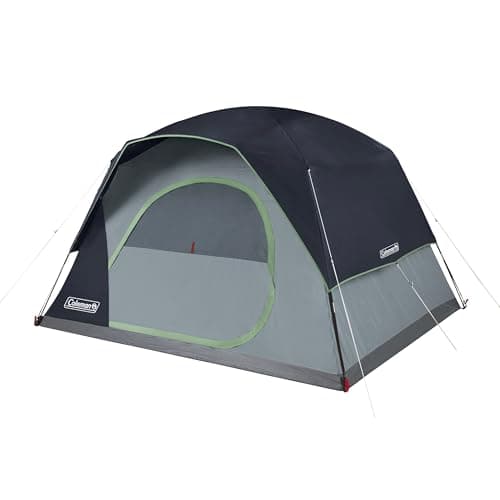
Best Family Camping Tents
Six family tents from six to eight person, ranked on setup speed and rainfly coverage — plus the one whose listing says water resistant rather than waterproof.
Best family tent · Coleman Skydome 6-Person
#ad · price as of October 19, 2026
Roundup
Best Sleeping Bags
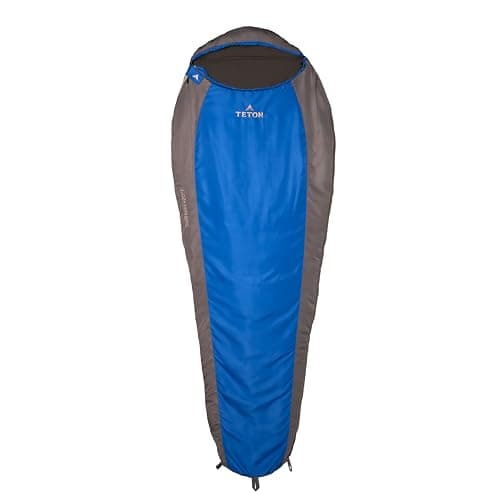
Six bags from a $70 synthetic mummy to 550-fill down, ranked on rating honesty, fill type and packed size.
Best sleeping bag · TETON Trailhead 20°F Mummy
#ad · price as of October 19, 2026
Roundup
Best Sleeping Pads
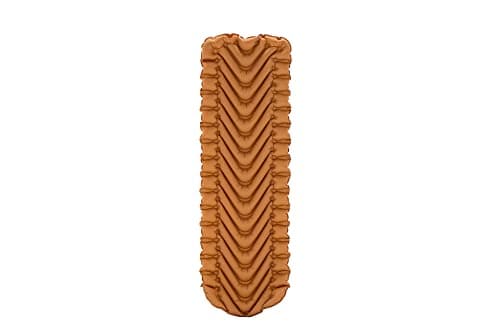
Six pads from ultralight to four inches thick, ranked by R-value and comfort — plus one whose stated R-value does not survive scrutiny.
Best sleeping pad · Klymit Insulated Static V Lite ECO
#ad · price as of October 19, 2026
Roundup
Best Camping Stoves
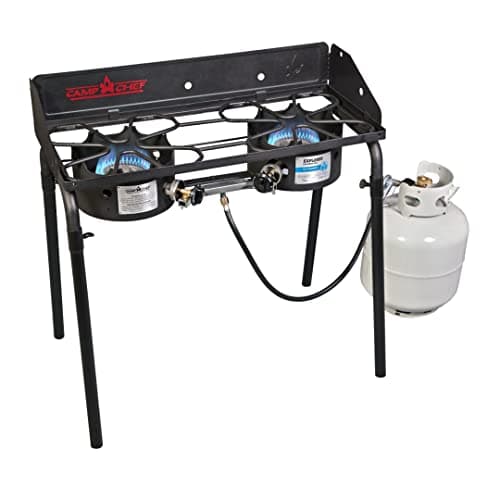
Six stoves from a $30 dual-fuel single burner to a full camp kitchen, ranked on wind resistance and usable cooking area — not BTU.
Best camp stove · Camp Chef Explorer Two-Burner
#ad · price as of October 19, 2026
Roundup
Best Coolers for Camping and Hauling
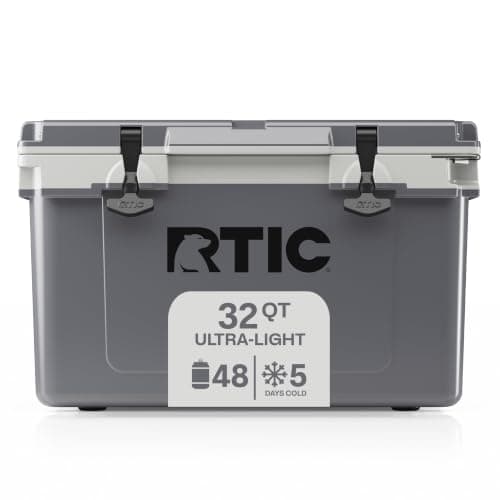
Six coolers from a 16-quart to a 65, judged on insulation and gasket rather than marketing — plus why small coolers lose ice fastest.
Best cooler · RTIC 32 QT Ultra-Light
#ad · price as of October 19, 2026
Roundup
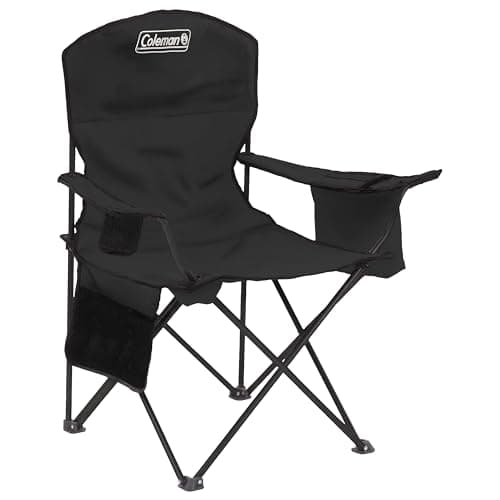
Best Camp Chairs
Five chairs from a $15 quad to an ultralight backpacking seat, judged on comfort, packed size and how easy they are to get out of.
Best camp chair · Coleman Portable Chair with Cooler
#ad · price as of October 19, 2026
Roundup
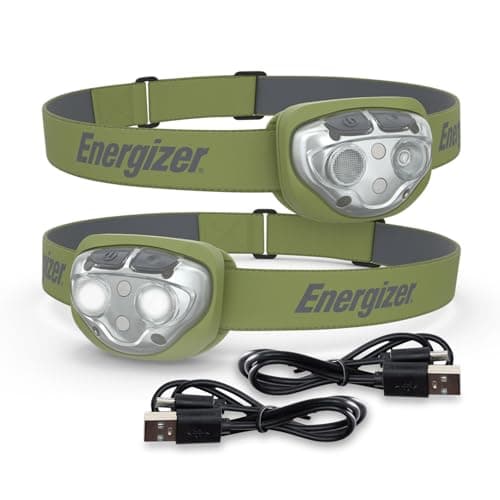
Best Headlamps for Camping
Five headlamps judged on stated ratings and battery type — including why a rechargeable lamp is the wrong choice for an emergency kit.
Best headlamp · Energizer PRO-400 Rechargeable (2-Pack)
#ad · price as of October 19, 2026
Head to head
YETI vs RTIC Coolers
The premium picked apart: hardware, warranty, resale and durability versus ice retention, which is where the gap is narrowest.
Best value hard cooler · RTIC 32 QT Ultra-Light
#ad · price as of October 19, 2026
Head to head
Car Camping vs Backpacking Gear
Item by item, what actually changes between the truck and the trail — and the four pieces worth buying once for both.
Best crossover tent · Kelty Late Start 2P
#ad · price as of October 19, 2026
Buying guide
What Size Cooler Do You Need?
Quarts per person per day, the ice ratio, and why an oversized cooler is worse at keeping ice than a full smaller one.
Best weekend cooler · RTIC 32 QT Ultra-Light
#ad · price as of October 19, 2026
Buying guide
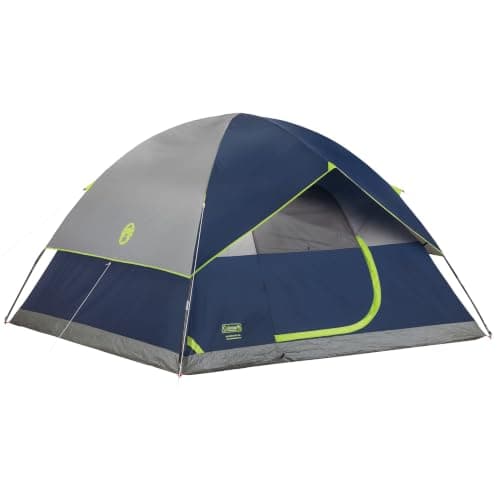
Camping Gear Checklist
Trip one, trip three and later — plus the four things beginners always forget and the three they should not buy yet.
Best beginner tent · Coleman Sundome
#ad · price as of October 19, 2026
Before you buy
R-value is the number that decides whether you sleep
People blame the sleeping bag when they get cold, and it is usually the pad. The ground pulls heat out of you by conduction all night, and a sleeping bag compressed flat underneath you has almost no insulating loft left. The pad's R-value is what stands between you and the dirt.
The scale is standardized under ASTM F3340, so R-values from different brands are genuinely comparable — a rare thing in outdoor gear. Roughly: R 2 and under is summer only, R 3 to 4 covers three-season use for most people, and R 5 and above is what you want on frozen ground. R-values also stack, so a cheap closed-cell foam pad under an inflatable adds its rating to the total and buys you a season for about twenty dollars.
Sleeping bag temperature ratings deserve more suspicion. The ISO/EN 13537 comfort rating is the useful one; the lower limit figure that gets printed on the stuff sack is a survival number, not a comfort number, and the difference is often fifteen degrees.
Cooler performance is insulation thickness, not brand
Ice retention claims are the least regulated numbers in camping. A rotomolded cooler holds ice longer than a cheap thermoplastic one for exactly two reasons: two to three inches of pressure-injected polyurethane foam in the walls, and a gasket that seals. Neither is proprietary, which is why the price spread between premium and mid-tier coolers is much wider than the performance spread.
What you actually control matters more than which one you buy. Pre-chill the cooler overnight, use block ice rather than cubes where you can, fill it at least two-thirds full, and keep it in shade. Those four habits move ice retention more than stepping up two price tiers, and they cost nothing.
Size follows the same discipline as packs: buy for the trip you take most often. A 65-quart cooler on a weekend for two is a heavy box of warm air.
Stove BTU is not a quality score
BTU per hour tells you how fast fuel burns, not how fast water boils. A high-output burner with a poorly designed pot support and no wind protection loses to a modest one with a good windscreen every time, because in the field almost all of your heat loss is to moving air.
For car camping, a two-burner propane stove in the 20,000 to 30,000 BTU range is the sensible default and has been for decades. For backpacking the calculation flips entirely to weight and fuel efficiency, and the question becomes how many grams of canister gas you carry per boil. Match the stove to the trip and the BTU figure stops mattering almost immediately.
The rest of the outpost
Other categories
- Knives & EDCThe gear that lives in your pocket every day, ranked on the three things that actually decide it: the steel, the lock, and how much you notice carrying it.
- HuntingBoots, packs, glass and cameras, judged on the specifications that decide whether you stay out all day or turn back at noon.
- FishingRods, reels, line and electronics, matched to the water you fish rather than the one in the catalog photo.
- OverlandingRooftop tents, recovery kit, air and 12-volt power, checked against your vehicle's actual ratings before anything gets recommended.
- Shooting GearOptics, cases, cleaning kit, slings, rests and hearing protection — the accessories, judged on their published numbers.
- The GarageTwo project vehicles, a soldering iron that has actually been used, and the gear pages that came out of doing the work rather than reading about it.
- PC BuildsSame instinct as the garage, smaller fasteners. How I plan a build, how the cables get tidy, and the desk gear that holds it all up.
- Home DIYSame instinct as the garage, applied to the house and the yard. Real projects, my own photographs, and the parts of each job I would do differently.