Section 07
The Garage
Two project vehicles, a soldering iron that has actually been used, and the gear pages that came out of doing the work rather than reading about it.
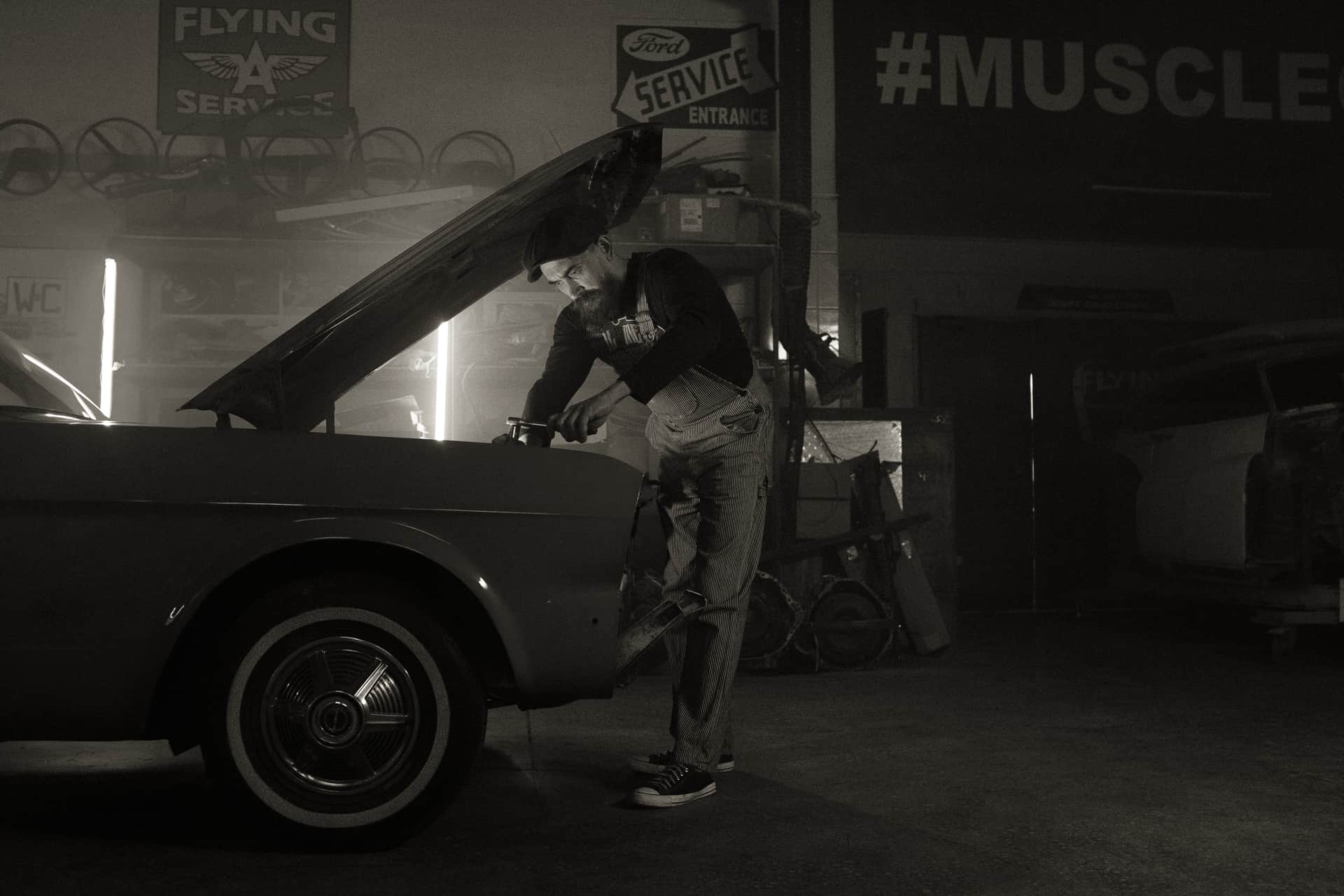
Everything else on this site is research: I read the manual, compile the published numbers, and say plainly that I have not handled the product. This section is the exception, and it is worth being precise about why. There are two vehicles in my garage. One is a Toyota 4Runner I have built out as an overland rig, including a custom LED and switch-panel wiring job I did myself, with my own crimps and my own mistakes. The other is a 1971 Mustang Mach 1, H-code, a restoration that is mostly finished. The pages under this hub come out of that work: how twelve-volt accessory wiring is supposed to be done, what recovery gear is actually rated for, and which shop tools earn their drawer space. Where I have first-hand experience I say so and tell you what went wrong. Where I am still working from specifications — which is most of the product picks, same as the rest of the site — I say that too.
We earn a commission when you buy through our Amazon links, at no extra cost to you. It never changes the order of the picks, and we say so when the cheaper thing is the better buy. How this works.
Straight to it
The builds
My rides
Two in the garage now, and the one I built and sold to pay for the truck.
Shop work
The bench-side work behind the vehicles. House and yard builds moved to Home DIY.
Everything in this section
10 garage pages
Build log
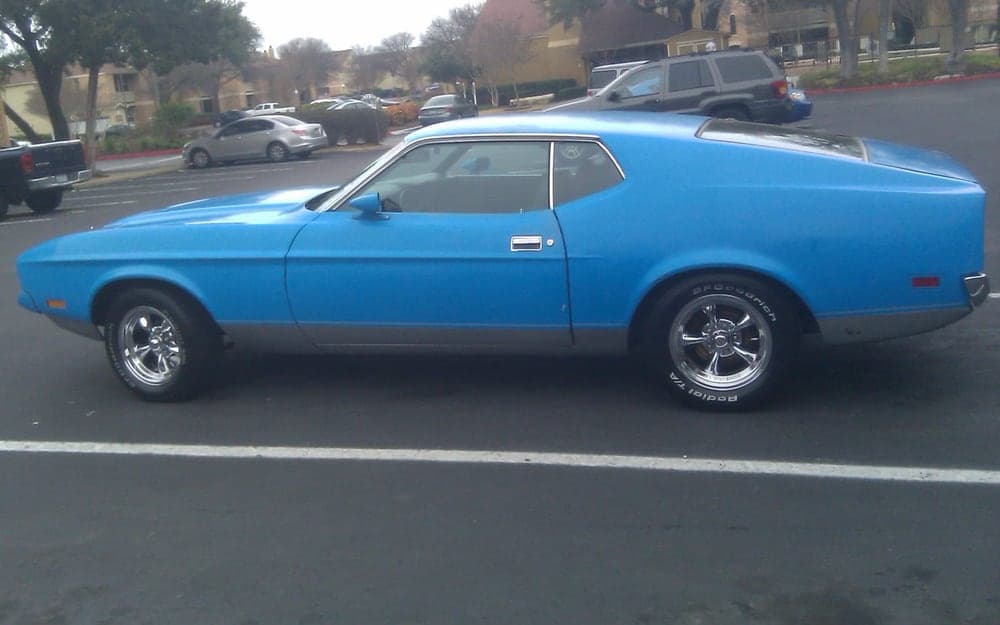
My 1971 Mustang Mach 1 Restoration (H-Code)
My 1971 Mach 1 in seventeen of my own photographs — body, engine bay and interior — plus what H-code means and the honest list of what is still left: paint, body and a few interior pieces.
Best 351C-2V intake · 2750 Performer 351-2V Intake Manifold
#ad · price as of October 19, 2026
Buying guide
12V Accessory Wiring Done Right
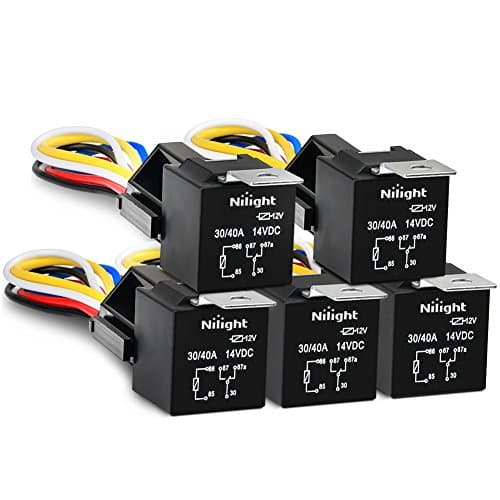
Relay logic, fuse placement and real wire-gauge numbers, plus the seven pieces of gear I would buy to do a twelve-volt accessory install properly.
Best 12V wiring gear · 50003R 5-Pin Relay and Harness Set (5-pack)
#ad · price as of October 19, 2026
Buying guide
Vehicle Recovery Gear, Bought on the Ratings
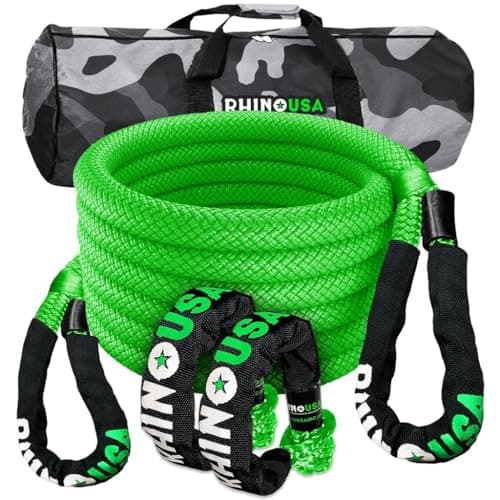
Kinetic rope, soft shackles, snatch block and a proper rear recovery point, judged on stated ratings — plus the hook-ended strap that should not be in a recovery kit.
Best recovery kit · Kinetic Rope Recovery Kit, 7/8 in x 30 ft with Soft Shackles
#ad · price as of October 19, 2026
Roundup
Best Garage Tools: Torque, Organization and Light
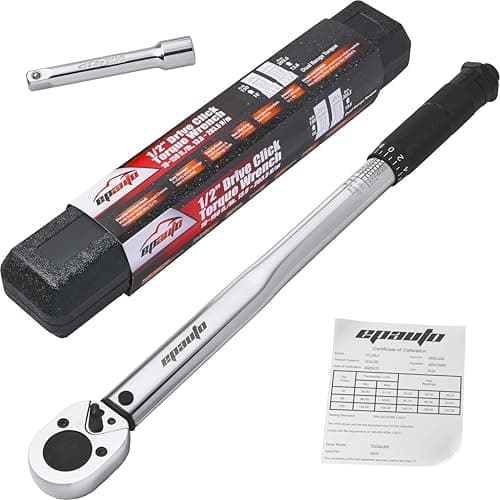
Torque wrenches, a digital adapter, socket rails, a rolling cart and under-hood light — plus the cheap tool set that cannot torque a lug nut.
Best torque wrench · 1/2 in Drive Click Torque Wrench, 10-150 ft-lb
#ad · price as of October 19, 2026
Build log
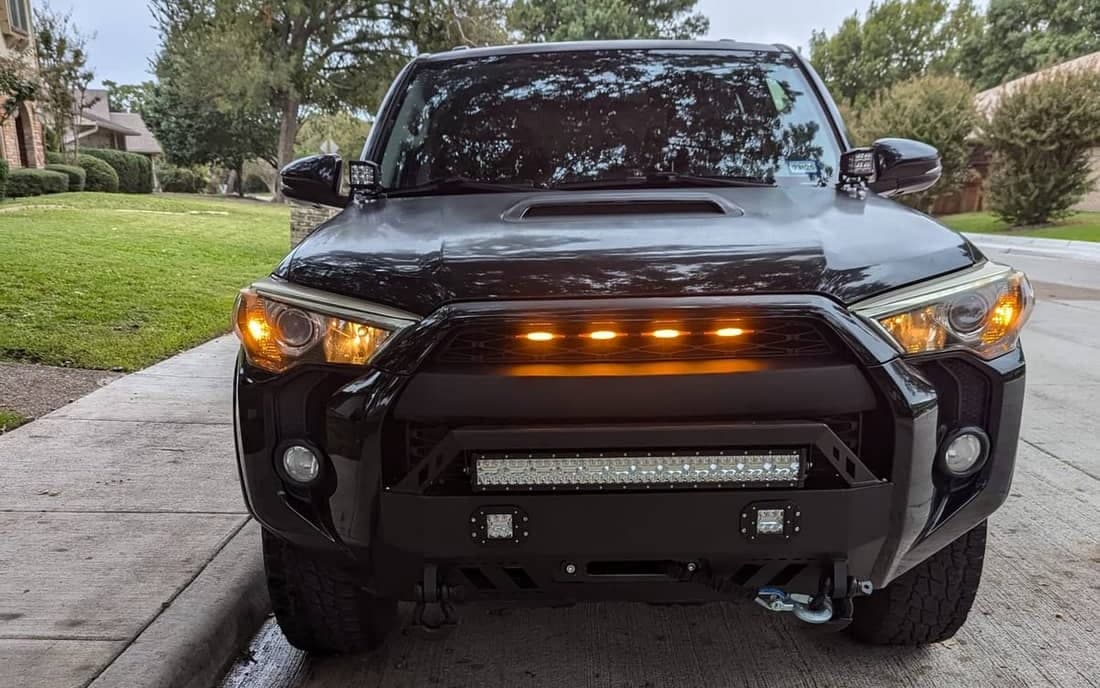
My 4Runner Build: Four Projects, One Truck
The real work on my own truck: a plywood drawer system built from scratch, a bumper and winch, ditch lights, GMRS and CB radios, the med kit that rides in the back, and the switch and relay wiring behind all of it — with my own photos and what I paid.
Best rig lighting · Nilight ZH409 20 in LED Light Bar
#ad · price as of October 19, 2026
Build log
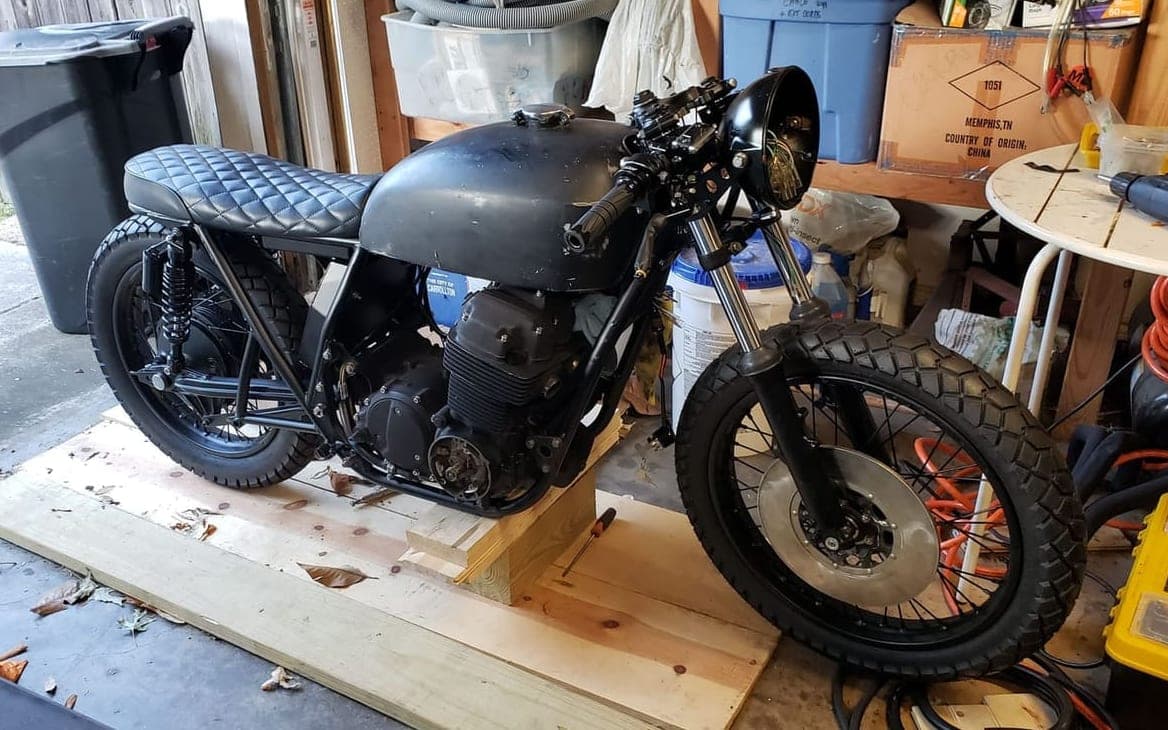
My 1972 CB750 K2 Cafe Racer — And Why I Sold It
The real numbers and 28 of my own photos: teardown, top end, fabrication, powder coat and wiring on a 1972 CB750 K2 — plus the honest reason it got sold instead of finished.
Best cafe racer seat · RedCap Vintage Cafe Racer Saddle Seat
#ad · price as of October 19, 2026
Build log
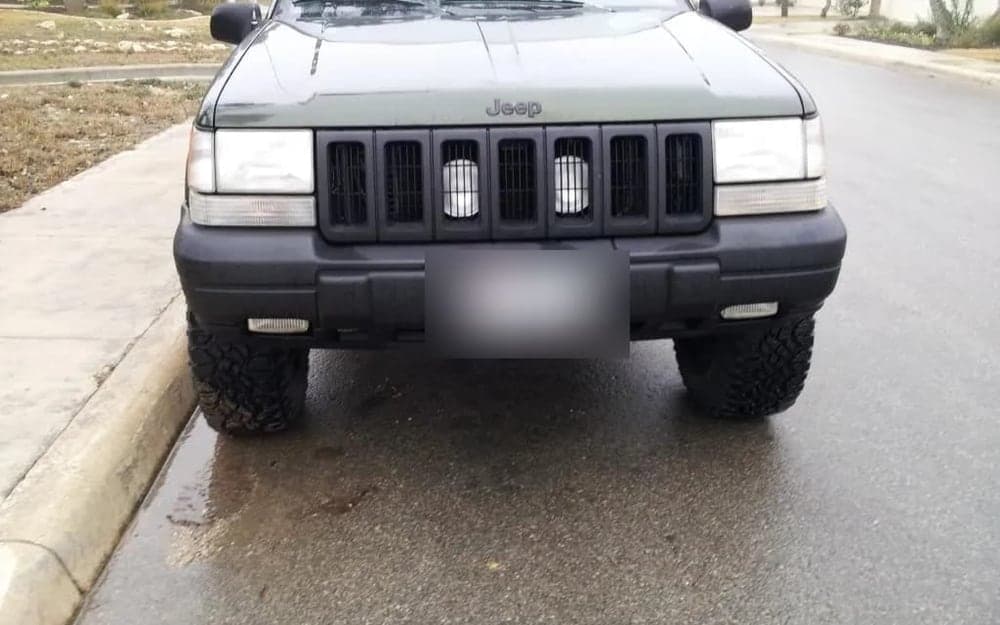
Previous Rigs: the CJ5 and the '96 Grand Cherokee
The rig lineage: a 1978 CJ5 sold to fund a 1996 Grand Cherokee, which became the 4Runner. The ZJ's build sheet, the bed-liner cladding job, and links to both of its write-ups.
Best steel wheel · Cragar Soft 8 Steel Wheel, 15x8, 5x5.5, 4in Backspace
#ad · price as of October 19, 2026
Buying guide
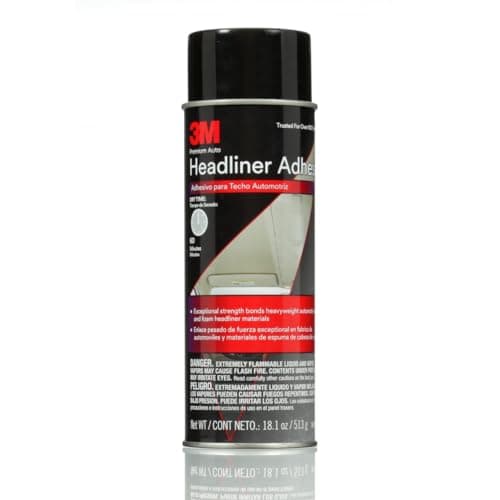
My '96 Grand Cherokee ZJ: the Headliner Replacement Guide
The complete ZJ headliner replacement: 4 yards of 54in vinyl, three cans of adhesive, every trim piece in order, and the vacuum trick that beats rubbing the old foam off.
Best headliner adhesive · 3M Headliner & Fabric Adhesive, 18.1 oz
#ad · price as of October 19, 2026
Build log
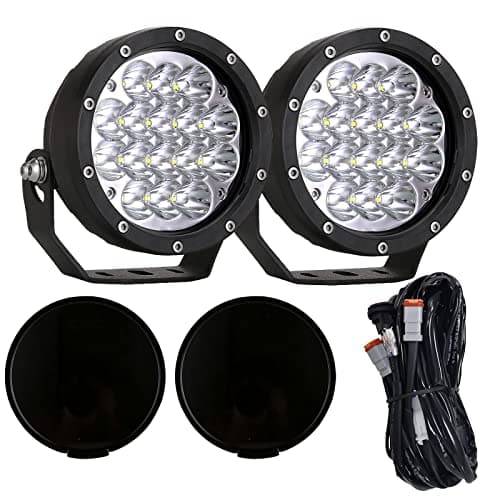
ZJ Aux Lights Behind the Grille (~$60 Total)
The full build: cheap round lights, an $18 piece of bar from Home Depot, the M6x1.0 mounting trick, the grille plastic I cut, and the wiring from switch to firewall — about $60 all in.
Best aux light wiring kit · 5in Round LED Driving Lights (pair)
#ad · price as of October 19, 2026
Build log
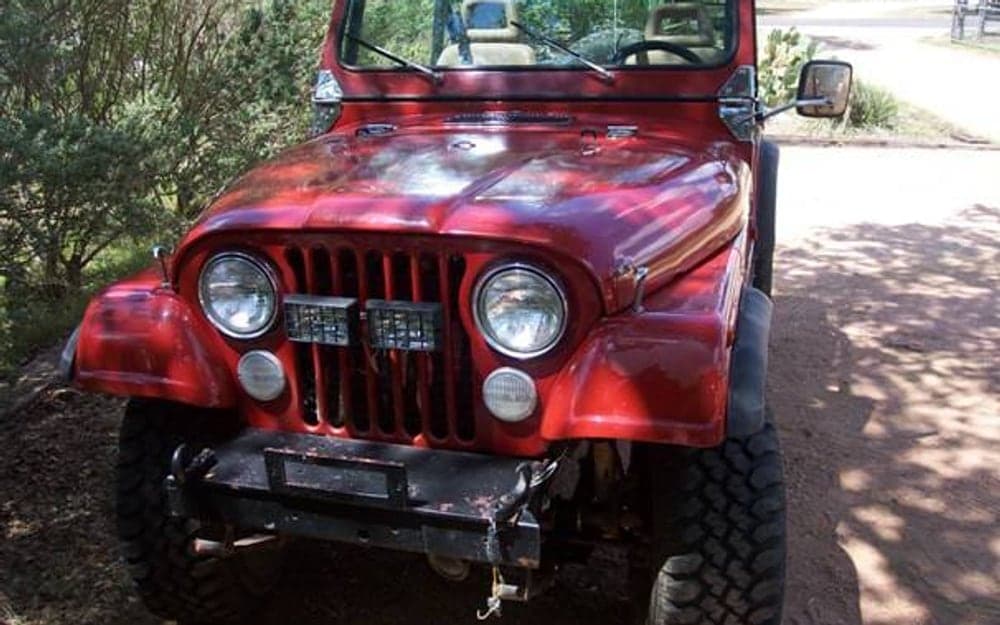
The '78 CJ5 That Started It
A short, honest first-rig story: a 1978 Jeep CJ5 with an AMC 304 V8 and a 4-to-1 low range conversion, sold to buy the ZJ that came next.
Before you buy
Almost every accessory install fails at the wiring, not the accessory
The light bar is fine. The compressor is fine. What burns, melts or rattles loose six months later is the twelve-volt work between them and the battery, and it fails for three reasons that are entirely avoidable: the wire was too thin for the current, the circuit had no fuse near the power source, and the switch was carrying the full load instead of triggering a relay.
Wire gauge is a real number, not a preference. PowerStream's widely cited ampacity table gives 32 amps for 14 AWG copper in chassis wiring, 22 amps for 16 AWG and 16 amps for 18 AWG — and those figures are explicitly a rule of thumb for short chassis runs, not a code. Longer runs need to go up a size or two because voltage drop, not heat, becomes the limit: a dim light at the end of a long thin wire is the wire telling you it is too small.
The fuse protects the wire, not the accessory. It belongs within a few inches of where the circuit picks up power, because the entire run from the battery to the fuse is unprotected by definition. And a rocker switch rated for 20 amps should still be triggering a relay rather than carrying 20 amps, because switch contacts are the cheapest part of the circuit and the most annoying to replace once it is all behind the dash.
Recovery gear is bought on the rating, and the rating has to be printed
Every piece of recovery equipment carries a number: minimum breaking strength, working load limit, or both. That number is the entire product. A synthetic soft shackle rated at 37,478 pounds and one rated at 56,000 pounds are different tools, and a listing that gives you neither is telling you something.
Two rules make this category much simpler. First, the weakest item in the chain sets the strength of the whole recovery — a 40,000-pound rope through a 10,000-pound hook is a 10,000-pound system. Second, kinetic energy is the hazard: a stretched recovery rope stores a great deal of energy, and if a shackle or a mounting point lets go, that energy leaves in one direction very quickly. That is why line dampers exist and why a tow ball is not a recovery point.
Soft shackles and synthetic rope are the meaningful modern upgrade, and not because they are lighter. Steel fails as a projectile. Synthetic fails and drops. On a driveway or a trail with people standing around, that difference is the whole argument.
Buy the tools that have a number on them first
A garage fills up with tools that do a job approximately. The ones worth spending on early are the ones that do a job to a specification you can check: a torque wrench, a multimeter, and light you can actually see the work under. Everything else can start cheap and be upgraded when it annoys you.
Torque is the clearest case. Wheel lug nuts, cylinder heads, suspension bolts and scope rings all have a published torque figure, and 'tight' is not that figure. A click-type wrench in the range you actually work in — most automotive fasteners fall between 10 and 150 foot-pounds — replaces a guess with a number. Store it wound back to its lowest setting; leaving it loaded takes the calibration with it.
The rest is organization, and organization is not a personality trait, it is a purchase. Socket rails, a rolling cart and a rechargeable light that clips under the hood do not make you faster in a way you notice on day one. They make you faster on the day you are lying under a car at ten at night looking for a 14 millimeter, which is when it counts.
The rest of the outpost
Other categories
- Knives & EDCThe gear that lives in your pocket every day, ranked on the three things that actually decide it: the steel, the lock, and how much you notice carrying it.
- HuntingBoots, packs, glass and cameras, judged on the specifications that decide whether you stay out all day or turn back at noon.
- CampingTents, sleep systems, stoves and coolers, sorted by whether you are carrying them on your back or lifting them out of a truck bed.
- FishingRods, reels, line and electronics, matched to the water you fish rather than the one in the catalog photo.
- OverlandingRooftop tents, recovery kit, air and 12-volt power, checked against your vehicle's actual ratings before anything gets recommended.
- Shooting GearOptics, cases, cleaning kit, slings, rests and hearing protection — the accessories, judged on their published numbers.
- PC BuildsSame instinct as the garage, smaller fasteners. How I plan a build, how the cables get tidy, and the desk gear that holds it all up.
- Home DIYSame instinct as the garage, applied to the house and the yard. Real projects, my own photographs, and the parts of each job I would do differently.