Everyday carry has a tendency to accumulate. It starts as a wallet and a knife and ends up as a pouch containing a multitool, three lights, a pry bar and a notebook you have not written in.
This page is the argument for the other direction. Three items — wallet, light, blade — cover almost everything carry is genuinely for. Everything else is optional and should have to justify itself.
The three-item test
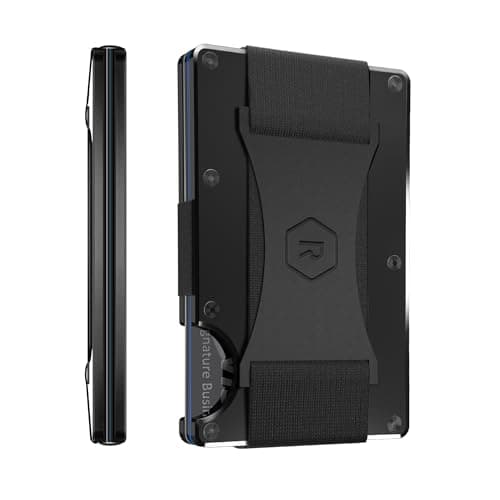
Something to pay with. A metal card holder in a front pocket. Front pocket because a back pocket wallet is the thing people sit on for forty years and then wonder about; metal because it survives that anyway.
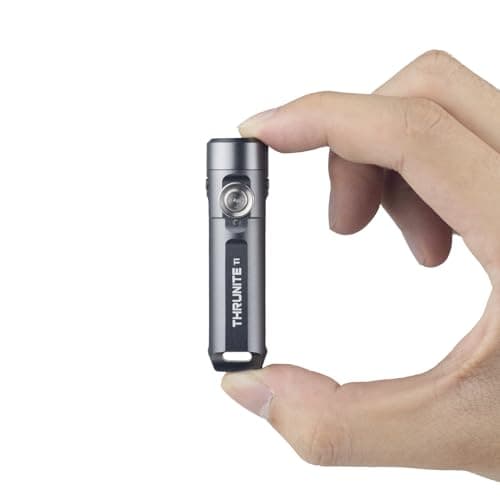
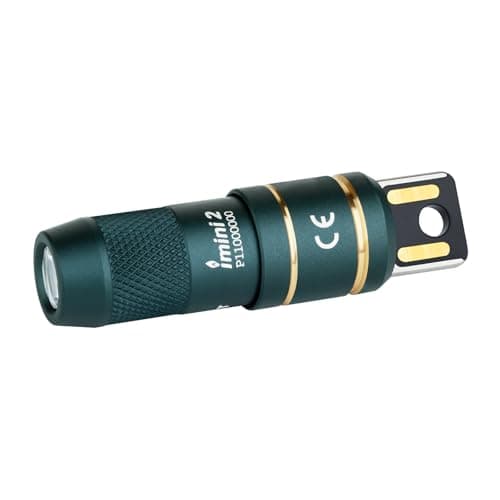
Something to see with. A phone light works until you need both hands, and then it does not work at all. A keychain light costs under twenty dollars and lives on the keys you are already carrying, which is the only reason it is with you when it matters.
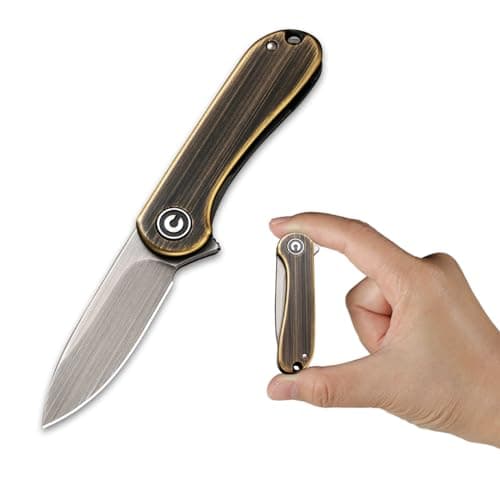
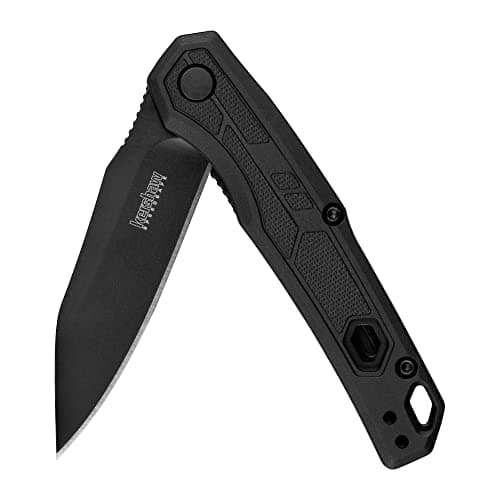
Something to cut with. Under three inches of blade. Not because bigger is not better at cutting — it is — but because under three inches keeps you inside a lot of local rules and does not make anyone uncomfortable when you open a box in an office.
That is the whole kit. Total, at the last price check, somewhere between $110 and $130 depending on which light and which blade you take.
What I have deliberately left out
A multitool. Genuinely useful and genuinely not minimalist. If you need pliers regularly you already know it, and our multitool roundup is the page for you.
A second knife. Two knives is a collection, not a carry.
A pen, a notebook and a pry bar. All defensible, none of them in the top three. Add them once the three are habit, not before.
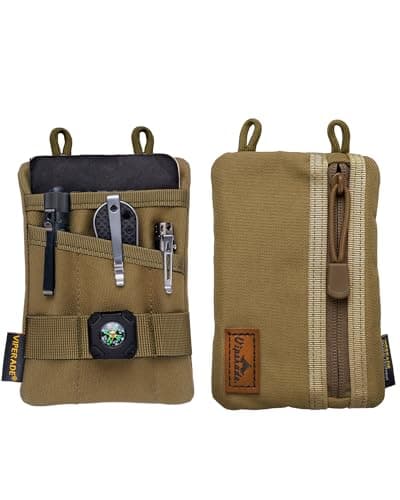
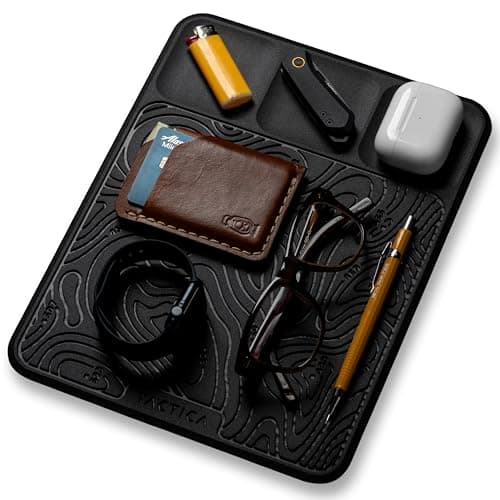
The pouch and the tray in the picks are there because they solve real problems — gear grinding together in a bag, and gear not being where you left it. Neither is something you carry. The tray in particular is a thirty-dollar solution to a problem a kitchen bowl also solves, and I have ranked it accordingly.
The wallet decision
The Ridge anchors this loadout because the capacity ceiling is a feature here rather than a bug: a minimalist carry should not have fifteen cards in it. If the Ridge premium bothers you — and it is a real premium — the comparison page covers six alternatives from fifteen dollars up, and any of them slots into this kit unchanged.
Three pages that sit directly underneath this one. What EDC actually means is the starting point if the term is new, wallets is where a minimalist kit saves the most bulk, and pouches covers the case for carrying the kit in something rather than loose in a pocket.
Making a minimalist carry actually stick
Build the habit before you buy the gear
The most common failure here is buying a beautiful loadout and then leaving half of it on a dresser. Carry what you already own for two weeks first and see what you actually reach for. Then buy.
Put the light on the keys, not in the pocket
Anything that lives in a pocket competes with a phone and loses. Anything on your keys comes with you by default. That is the single biggest reason a keychain light gets used and a pocket light does not.
Match the knife to where you go, not to what you like
Under three inches is the sensible default because it keeps you inside more local rules and draws less attention. If your days are spent on a job site, buy a bigger knife and carry it there. If they are spent in offices and shops, small wins.
USB-C is not a spec, it is a habit
A light that charges from the same cable as your phone gets charged. A light that needs a proprietary cable or a coin cell gets forgotten. This matters more than the lumen number on the box.
One landing spot solves the rest
Keys, wallet, light, knife, all in the same place by the door every night. The tray in the picks does that job, and so does a bowl from the kitchen, which is why it is ranked last.