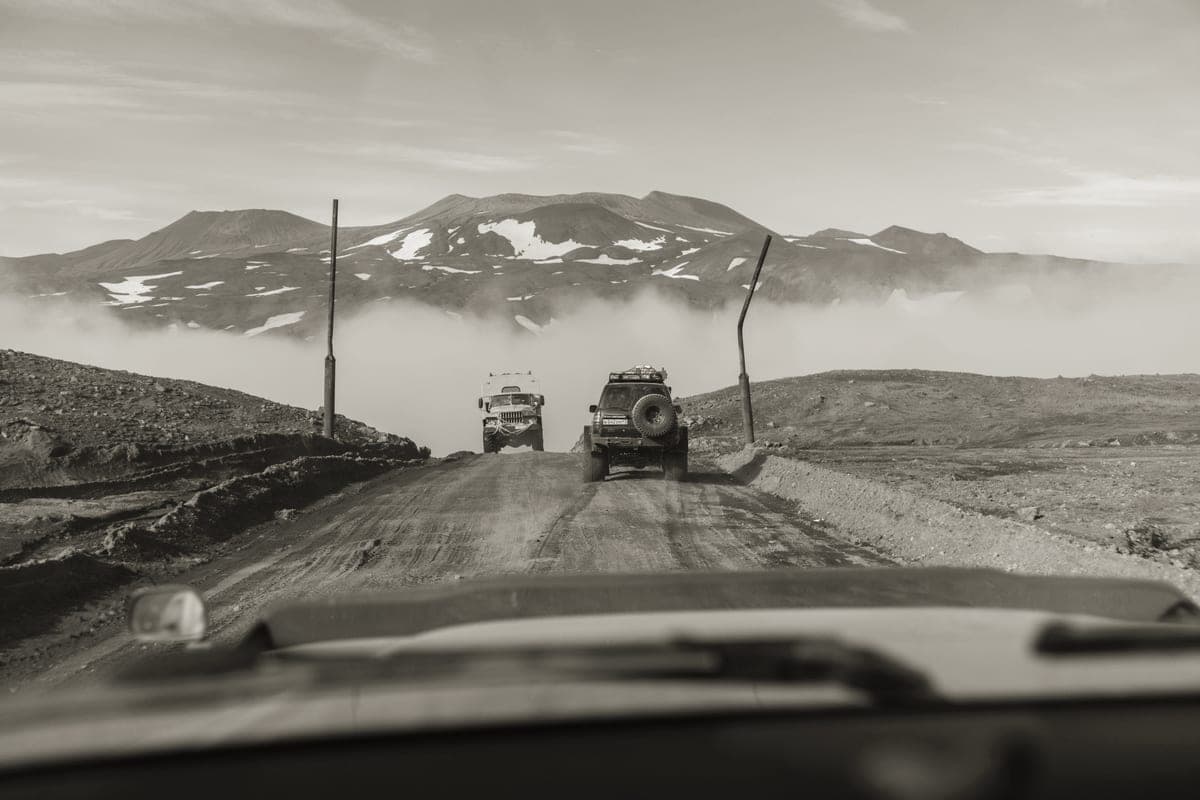
Section 05
Overlanding
Rooftop tents, recovery kit, air and 12-volt power, checked against your vehicle's actual ratings before anything gets recommended.
Overlanding is the one category on this site where the wrong purchase can hurt someone. A rooftop tent is a static load, not a dynamic one, and a lot of crossovers cannot legally carry the tent plus two adults on the roof at all. A recovery strap rated below the weight of the vehicle it is attached to becomes a projectile when it fails. So these pages lead with arithmetic — roof load, strap ratings, compressor duty cycle, fridge draw against your battery — and only then get to which product you should buy.
We earn a commission when you buy through our Amazon links, at no extra cost to you. It never changes the order of the picks, and we say so when the cheaper thing is the better buy. How this works.
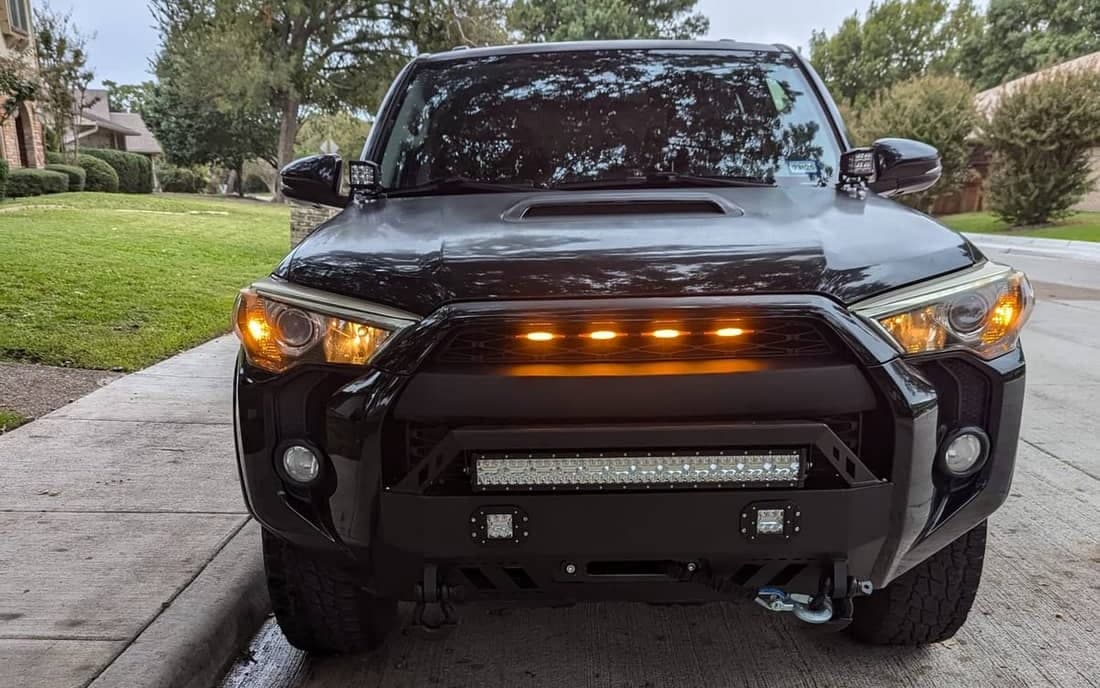
See the truck this section is built around
My 4Runner build
Every page in this section is written against a real vehicle: a 2014 4Runner Trail Premium with a plywood drawer system I built, a steel bumper and winch, ditch lights, GMRS and CB radios, and the accessory wiring behind all of it. My own photographs, what I paid, and the parts I could not name honestly.
See the 4Runner buildEverything in this section
16 overlanding pages
Roundup
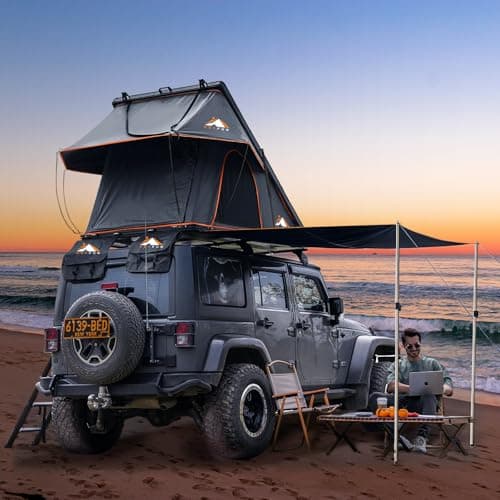
Best Rooftop Tents
Six tents from a $560 inflatable to an aluminum fold-out, with the roof-load arithmetic that decides whether any of them fit your vehicle.
Best rooftop tent · Adventurer Pro Hard Shell
#ad · price as of October 19, 2026
Roundup
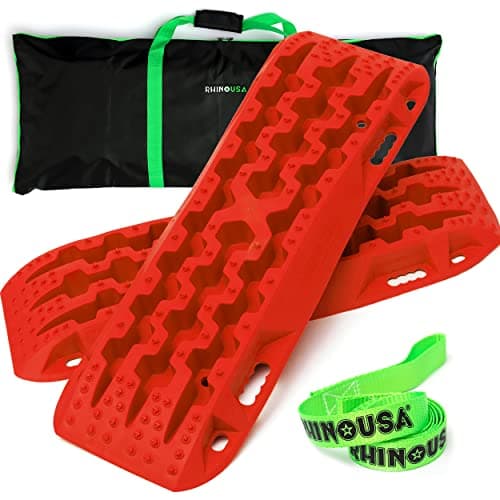
Best Recovery Boards
Five sets of traction boards judged on material and lug design — plus why the listing that will not name its plastic is the one to avoid.
Best recovery boards · Rhino USA Traction Boards (2-Pack)
#ad · price as of October 19, 2026
Roundup
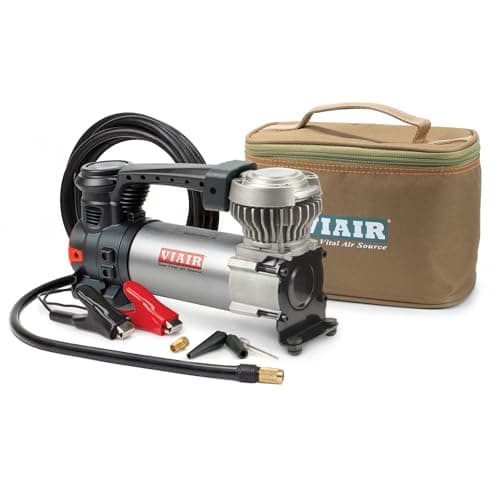
Best Portable Air Compressors
Six 12V compressors judged on duty cycle rather than headline CFM — plus why a compressor that hides that number is the wrong buy.
Best air compressor · VIAIR 88P Portable Compressor
#ad · price as of October 19, 2026
Roundup
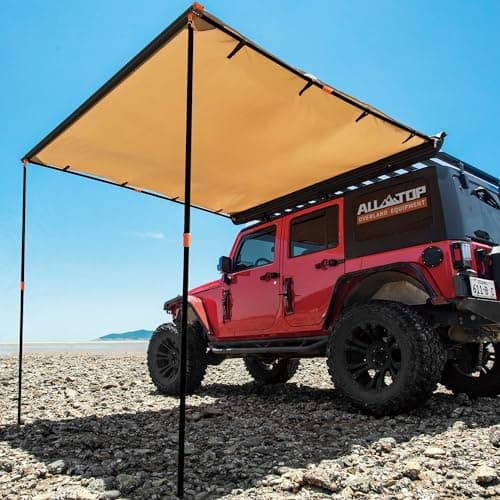
Best Vehicle Awnings
Five awnings judged on published waterproof ratings and coverage — plus why a 19-foot awning on a vehicle roof is a bad idea.
Best vehicle awning · ALL-TOP Vehicle Awning 6.6' x 8.2'
#ad · price as of October 19, 2026
Roundup
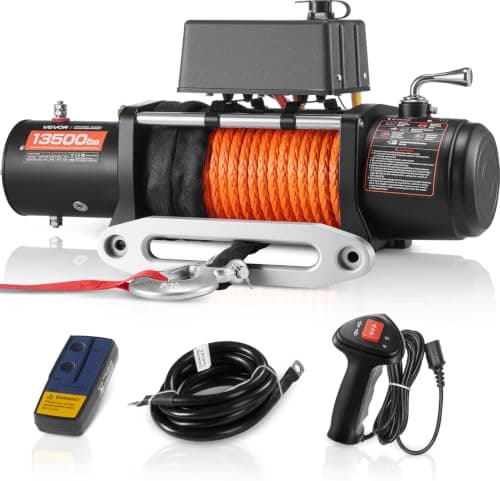
Best Winches
Six winches sized from ATV to full-size truck, judged on rope type and sealing — plus why an 18,000 lb winch is the wrong answer.
Best winch · VEVOR 13,500 lb Synthetic Rope Winch
#ad · price as of October 19, 2026
Roundup
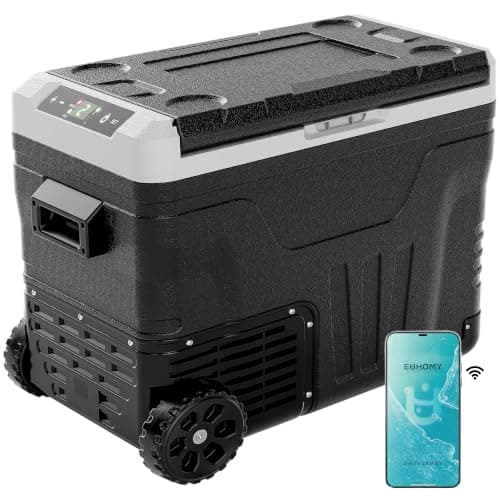
Best 12V Fridges
Six 12V fridges from 19 to 61 quarts, with the amp-hour arithmetic that decides whether your electrical system can support one.
Best 12V fridge · EUHOMY 53QT 12V Refrigerator
#ad · price as of October 19, 2026
Roundup
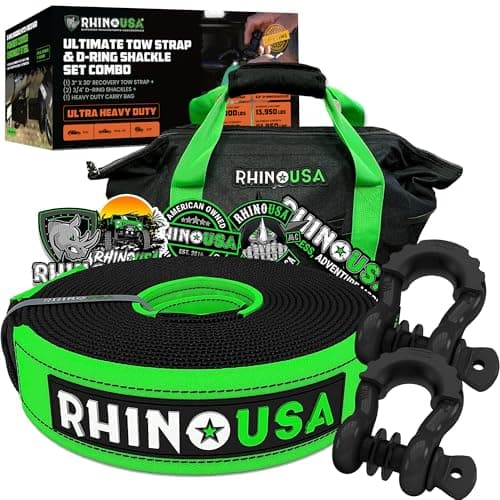
Best Recovery Kits
Five kits judged on published ratings and hardware type — plus why a strap with metal hooks sewn on is the one to avoid.
Best recovery kit · Rhino USA 30ft Recovery Combo Kit
#ad · price as of October 19, 2026
Head to head
Rooftop Tent vs Ground Tent
Cost, setup time, fuel economy and where you can legally camp — the honest ledger before you spend a thousand dollars on a roof.
Best rooftop tent · Adventurer Pro Hard Shell
#ad · price as of October 19, 2026
Head to head
Hardshell vs Softshell Rooftop Tents
Setup time, floor area, weight and highway profile compared — and the one question that settles which format you should buy.
Best hardshell rooftop tent · Adventurer Pro Hard Shell
#ad · price as of October 19, 2026
Buying guide
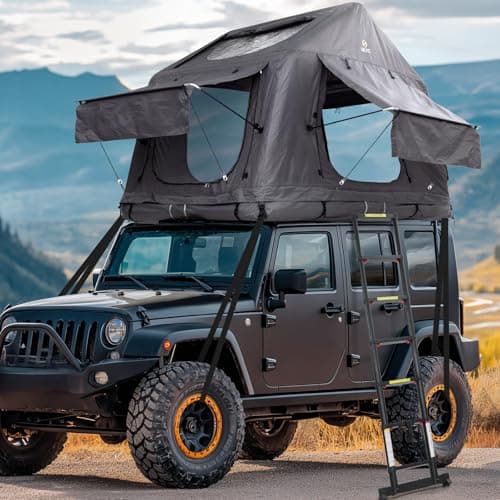
Are Rooftop Tents Worth It?
The total cost including rack and fuel, the four situations where it genuinely pays, and the cheaper setup that solves most of the same problems.
Best value rooftop tent · Nice C Inflatable Rooftop Tent
#ad · price as of October 19, 2026
Buying guide
Rooftop Tent Weight and Roof Load
Dynamic versus static roof load, the subtraction most people skip, and the arithmetic worked through with real numbers.
Lightest rooftop tent · Nice C Inflatable Rooftop Tent
#ad · price as of October 19, 2026
Buying guide
Overlanding Gear Checklist
The build order that matches real use — recovery, air, water, power, sleep — plus the four purchases people make far too early.
Best first overlanding purchase · Rhino USA Traction Boards (2-Pack)
#ad · price as of October 19, 2026
Buying guide
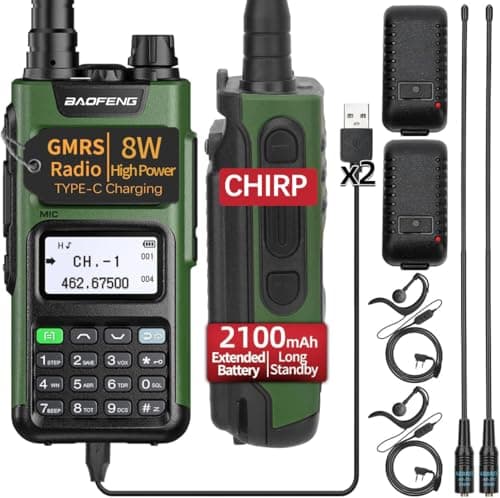
The GMRS License Walkthrough
What the GMRS license actually is, why there is no test, who it covers, and the handhelds and mobile radios to buy once you have one.
Best first GMRS pair · BAOFENG GM-15 Pro GMRS Handhelds, 8W (2-pack)
#ad · price as of October 19, 2026
Buying guide
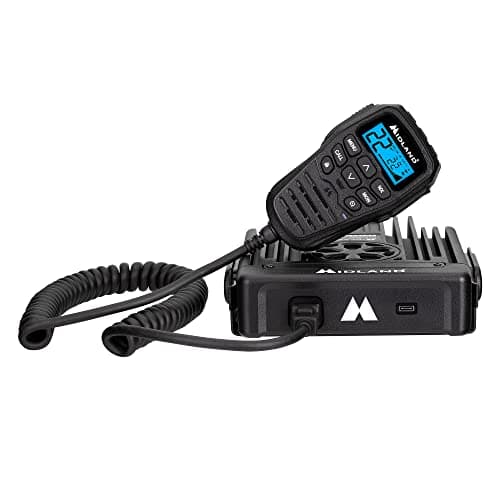
GMRS Base Station Setup
Building a fixed GMRS station: choosing the radio, why antenna height beats power, the low-loss coax argument at UHF, and getting the power supply right.
Best base radio · Midland MXT575 MicroMobile GMRS Radio, 50W
#ad · price as of October 19, 2026
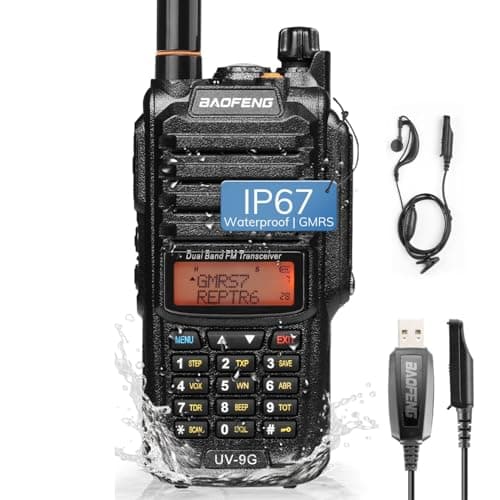
Head to head
GMRS vs Ham Radio
The honest comparison: barrier to entry, family coverage, range, repeaters and flexibility, with picks for both sides and the listing trap to avoid.
Best way to try GMRS · BAOFENG UV-9G GMRS Handheld, IP67 Waterproof
#ad · price as of October 19, 2026
Buying guide
GMRS Repeater Basics
How a repeater works, the offset and tone settings explained, finding repeaters near you, and why getting on one is often about permission rather than equipment.
Best repeater-capable radio · Midland MXT575 MicroMobile GMRS Radio, 50W
#ad · price as of October 19, 2026
Before you buy
Dynamic roof load is the number that stops most builds
Vehicle manufacturers publish a dynamic roof load rating: the maximum weight the roof may carry while the vehicle is moving. On most crossovers and unibody SUVs it sits between 100 and 165 pounds, and it includes the rack, the crossbars and everything mounted to them. A 130-pound hardshell rooftop tent on a 165-pound-rated roof leaves 35 pounds for the rack — which most racks exceed on their own.
Static load, the weight the roof can hold while parked, is far higher because the suspension is not working and there are no cornering forces. That is the number that lets people sleep up there at all, and it is the number rooftop tent marketing quietly leans on. Both matter, and they are not interchangeable.
Find your vehicle's dynamic figure in the owner's manual, not on a forum, then subtract your rack's weight before you shop. On a lot of vehicles this arithmetic ends the rooftop tent conversation before it starts, and a ground tent turns out to be both cheaper and better.
Recovery gear is rated in a way that is easy to misread
A kinetic recovery rope and a tow strap are not the same thing and are not interchangeable. A kinetic rope is designed to stretch, storing energy and releasing it to pull a stuck vehicle out; a tow strap has minimal stretch and is for towing a rolling vehicle. Using a kinetic rope for towing, or a tow strap for a snatch recovery, is how equipment fails violently.
Minimum breaking strength should be roughly two to three times your vehicle's gross weight for a kinetic rope. Shackles need a working load limit that fits the same math, and — critically — they attach to rated recovery points, never to a tow ball or a trailer hitch's pin hole, which are not designed for shock loads.
Nobody should stand in the arc of a loaded strap. That one is free, it is universal, and it is the piece of advice most likely to matter on any given weekend.
Air and power are duty-cycle problems
An air compressor's rated CFM tells you how fast it moves air, but duty cycle tells you how long it can do so before it has to cool down. Airing four 33-inch tires back up from trail pressure is roughly fifteen to twenty minutes of continuous work, and a compressor with a 25 percent duty cycle at 100 PSI is going to make that a long afternoon.
Twelve-volt fridges are the same kind of problem with a different unit. Draw is quoted in amps at 12 volts, but a compressor fridge only runs perhaps a third of the time once cold, so real consumption sits somewhere around 0.5 to 1 amp-hour per hour in mild weather and climbs sharply in heat. Multiply by the hours you will be parked, compare that against your battery's usable capacity — half of a lead-acid battery's rated amp-hours, most of a lithium one's — and you will know whether you need a second battery before you need a bigger fridge.
The rest of the outpost
Other categories
- Knives & EDCThe gear that lives in your pocket every day, ranked on the three things that actually decide it: the steel, the lock, and how much you notice carrying it.
- HuntingBoots, packs, glass and cameras, judged on the specifications that decide whether you stay out all day or turn back at noon.
- CampingTents, sleep systems, stoves and coolers, sorted by whether you are carrying them on your back or lifting them out of a truck bed.
- FishingRods, reels, line and electronics, matched to the water you fish rather than the one in the catalog photo.
- Shooting GearOptics, cases, cleaning kit, slings, rests and hearing protection — the accessories, judged on their published numbers.
- The GarageTwo project vehicles, a soldering iron that has actually been used, and the gear pages that came out of doing the work rather than reading about it.
- PC BuildsSame instinct as the garage, smaller fasteners. How I plan a build, how the cables get tidy, and the desk gear that holds it all up.
- Home DIYSame instinct as the garage, applied to the house and the yard. Real projects, my own photographs, and the parts of each job I would do differently.