
Section 06
Shooting Gear
Optics, cases, cleaning kit, slings, rests and hearing protection — the accessories, judged on their published numbers.
This section covers accessories only: optics, mounts, cases, cleaning gear, slings, rests, hearing protection and range bags. There are no firearms, receivers or regulated parts here and there never will be — Amazon does not sell them, and a gear site that implies otherwise is wasting your time. What is here is the equipment that decides whether you can see, hear, carry and maintain what you already own, and nearly all of it is judged on numbers the manufacturer already publishes and almost nobody bothers to explain.
We earn a commission when you buy through our Amazon links, at no extra cost to you. It never changes the order of the picks, and we say so when the cheaper thing is the better buy. How this works.
Everything in this section
78 shooting gear pages
Roundup
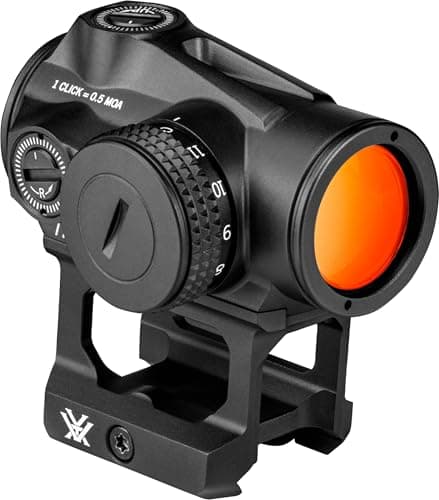
Best Red Dot Sights
Six red dots from $20 to $140, ranked on dot size and zero retention — plus why the cheapest optic in the search results is the wrong buy.
Best red dot · Vortex Triumph 2 MOA Red Dot
#ad · price as of October 19, 2026
Roundup
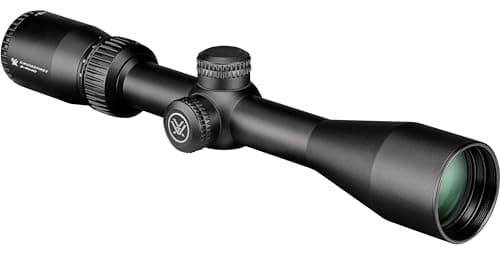
Best Rifle Scopes
Six 3-9x40 scopes from $30 to $300, ranked on coatings and low-light usability — plus the listing that does not state its coatings at all.
Best rifle scope · Vortex Crossfire II 3-9x40 Dead-Hold BDC
#ad · price as of October 19, 2026
Roundup
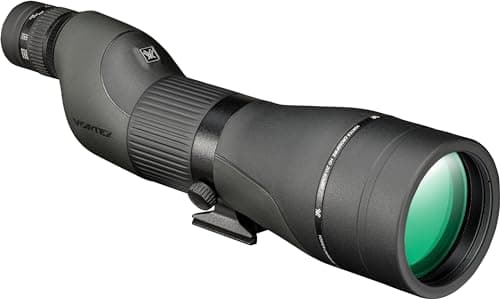
Best Spotting Scopes
Five spotters from $55 to $299, judged on usable rather than maximum magnification — plus why the tripod matters as much as the scope.
Best spotting scope · Vortex Crossfire HD 20-60x80
#ad · price as of October 19, 2026
Roundup
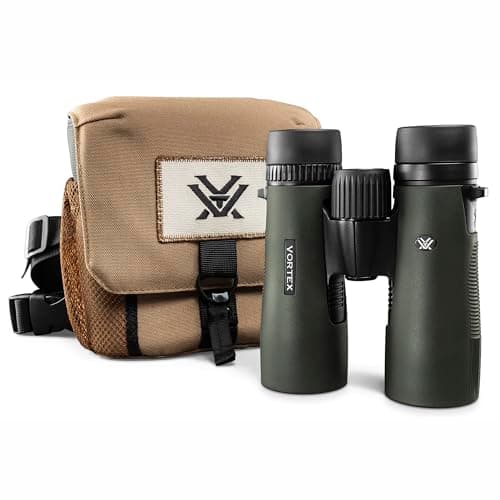
Best Hunting Binoculars
Six 10x42 binoculars from $50 to $246, ranked on glass and low light — plus why the 12x in the search results resolves less, not more.
Best hunting binoculars · Vortex Diamondback HD 10x42
#ad · price as of October 19, 2026
Roundup
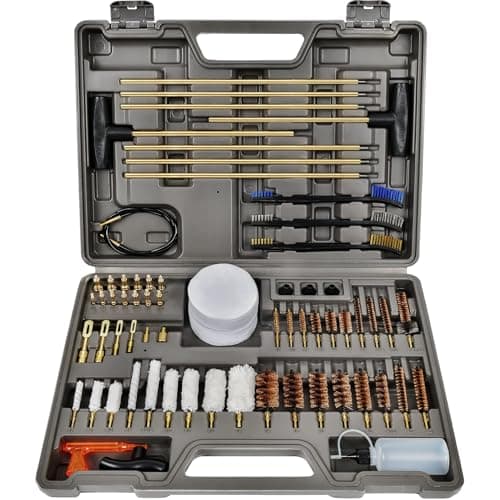
Best Gun Cleaning Kits
Five kits from a pistol-only set to a full universal case, judged on bore safety — plus why a bore snake beats a sectioned rod for routine work.
Best cleaning kit · GLORYFIRE Elite Universal Kit
#ad · price as of October 19, 2026
Roundup
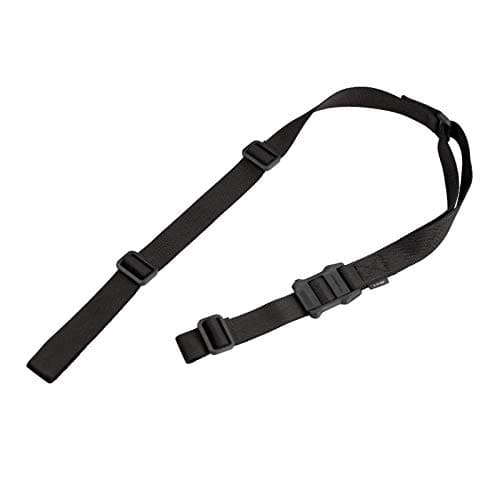
Best Rifle Slings
Five slings from $9 to $85, judged on quick adjustment and hardware — plus why open metal snap hooks are the one thing to avoid.
Best rifle sling · Magpul MS1 Two-Point Quick-Adjust
#ad · price as of October 19, 2026
Roundup
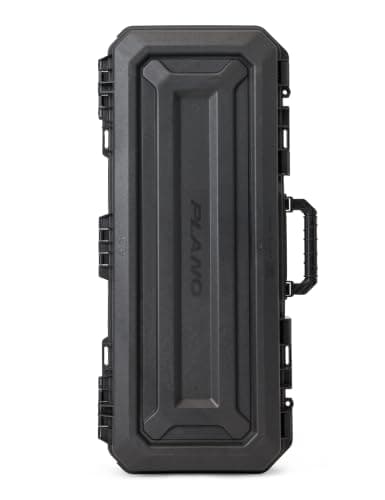
Best Gun Cases
Five hard cases judged on stated IP ratings and lockability — plus the difference between a truck case and a case you can fly with.
Best gun case · Plano All Weather 36in Tactical Case
#ad · price as of October 19, 2026
Roundup
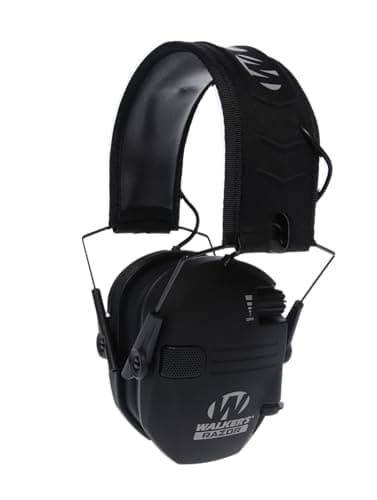
Best Hearing Protection for Shooting
Six electronic muffs judged on NRR and seal quality — plus why doubling up matters indoors and why amplification multiples are not a spec.
Best hearing protection · Walker's Razor Slim Electronic Muff
#ad · price as of October 19, 2026
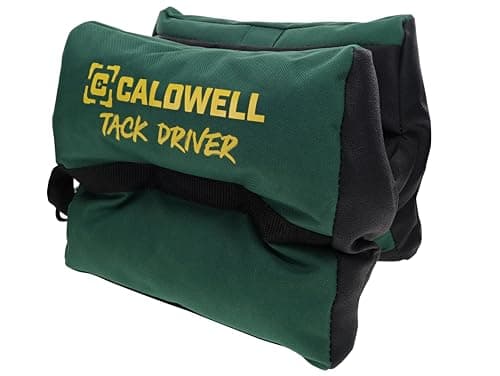
Roundup
Best Shooting Rests
Five rests and bag sets judged on stability and adjustability — plus why an unfilled bag is not the bargain it looks like.
Best shooting rest · Caldwell TackDriver Bag
#ad · price as of October 19, 2026
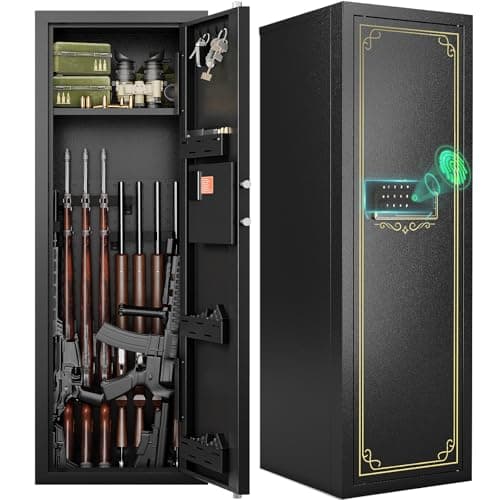
Roundup
Best Gun Safes & Storage Cabinets
Five quick-access cabinets judged on capacity and anchoring — plus the honest distinction between a cabinet, an RSC-rated safe and a fire safe.
Best gun storage · KAER 10-15 Gun Biometric Cabinet
#ad · price as of October 19, 2026
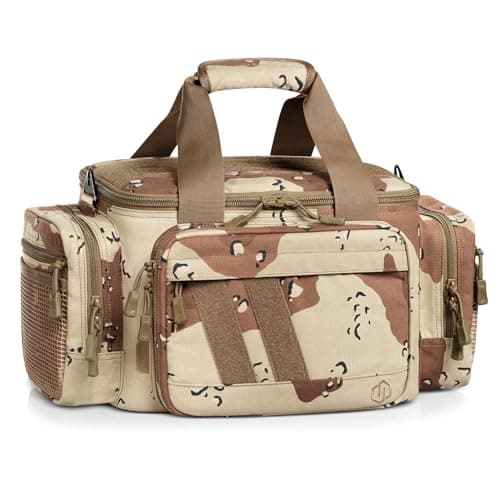
Roundup
Best Range Bags
Five bags from $27 to $110, judged on organization and construction — plus why a padlocked zipper is a deterrent and not a lock.
Best range bag · Savior Equipment Specialist Triple Pistol Bag
#ad · we may earn a commission
Head to head
Red Dot vs LPVO
Speed, weight, magnification and cost compared — and the honest answer about which one most people should actually buy.
Best LPVO · Vortex Triumph 2 MOA Red Dot
#ad · price as of October 19, 2026
Buying guide
MOA vs MRAD Explained
The arithmetic for both units, worked at real distances — plus the one combination that causes genuine problems in the field.
Best MOA scope · Vortex Crossfire II 3-9x40 Dead-Hold BDC
#ad · price as of October 19, 2026
Buying guide
How to Zero a Red Dot
Bore sighting, the 25-yard start, the correction arithmetic, and how to choose a zero distance — with the mistakes that waste ammunition.
Best red dot to zero · Vortex Triumph 2 MOA Red Dot
#ad · price as of October 19, 2026
Buying guide
How to Clean a Rifle Scope Lens
Blow, brush, then wipe — the order that matters, what to use at each step, and the household products that destroy coatings.
Best kit for the range bag · GLORYFIRE Elite Universal Kit
#ad · price as of October 19, 2026
Buying guide
Vortex Optics: The Tier Guide
One representative scope per Vortex tier with a live price, what the step up genuinely buys at each rung, and the VIP warranty in Vortex's own words.
Best Vortex to start with · Crossfire II 3-9x40 SFP, V-Plex
#ad · price as of October 19, 2026
Roundup
Best Vortex Red Dots
Eight Vortex dots from $99 to $299, sorted by what they are actually for — rifle tube sights, enclosed micros and the Defender pistol optics with their footprints named.
Best budget red dot · Triumph 2 MOA Red Dot
#ad · price as of October 19, 2026
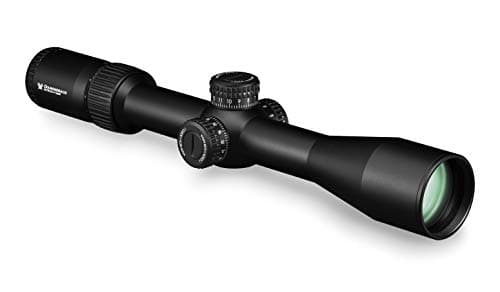
Head to head
Diamondback Tactical vs Viper
Six scopes across both tiers with live prices — plus the discontinued Viper listing that was cheaper than the Diamondback at the last check.
Best FFP scope under $500 · Diamondback Tactical 4-16x44 FFP, EBR-2C (MOA)
#ad · price as of October 19, 2026
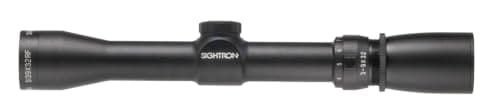
Buying guide
Sightron Scopes: An Honest Brand Guide
The whole Sightron ladder from the $226 SI Hunter to the $2,880 SV, which lines come from the Japanese plant, and the two-year electronics exclusion nobody mentions.
Cheapest way into Sightron · SI Hunter 3-9x32, Crosshair
#ad · price as of October 19, 2026
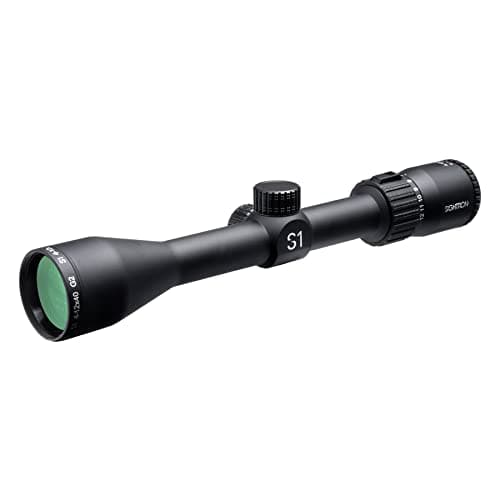
Head to head
Sightron vs Vortex
Three head-to-head pairings across three price brackets, with the honest winner named in each — and why the answer flips as the budget goes up.
Best entry-tier target scope · Sightron S1 4-12x40 G2, Mil-Dot
#ad · price as of October 19, 2026
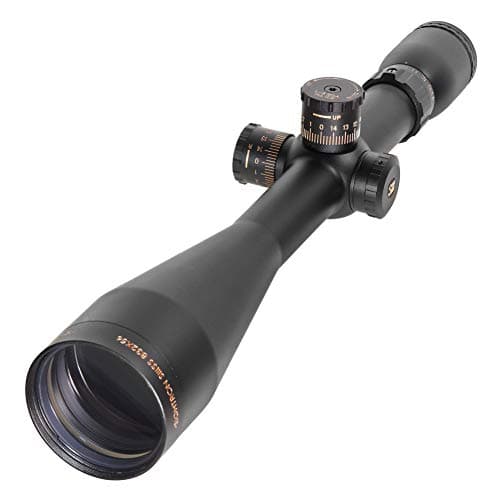
Roundup
Best Sightron Scopes for Target Shooting
Eight Sightron target scopes from $600 to $1,800 — including the eighth-MOA benchrest option, the field-target specialist, and the mid-line one to skip.
Best F-class scope · SIII LR 8-32x56, MOA-2 Tactical
#ad · price as of October 19, 2026
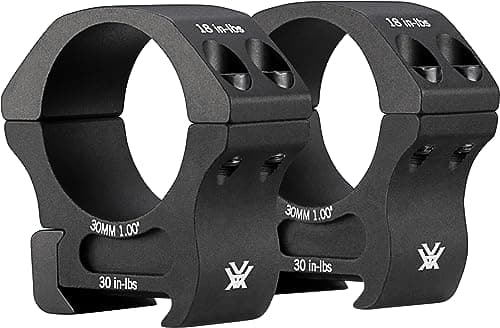
Buying guide
US Optics: The Honest Overview
What US Optics builds, why you will not find one on a marketplace, and the six pieces of mounting hardware that matter whatever scope you end up buying.
Best scope rings · Pro Series Riflescope Rings, 30mm Medium
#ad · price as of October 19, 2026
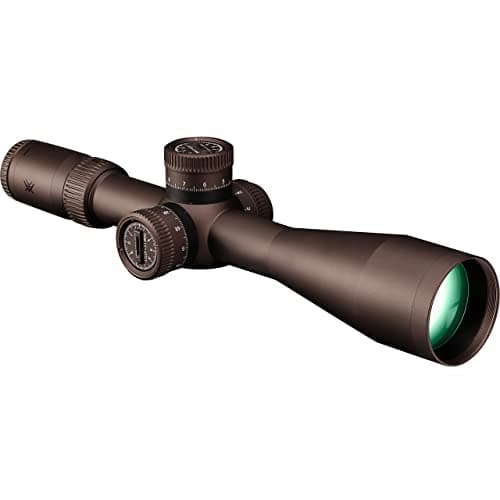
Head to head
US Optics vs Vortex Razor vs Premium Glass
Seven premium scopes compared on glass, turrets, warranty and availability — with US Optics covered editorially because it is not sold here, and an honest value pick at the end.
Best premium riflescope · Razor HD Gen III 6-36x56 FFP, EBR-7D (MRAD)
#ad · price as of October 19, 2026
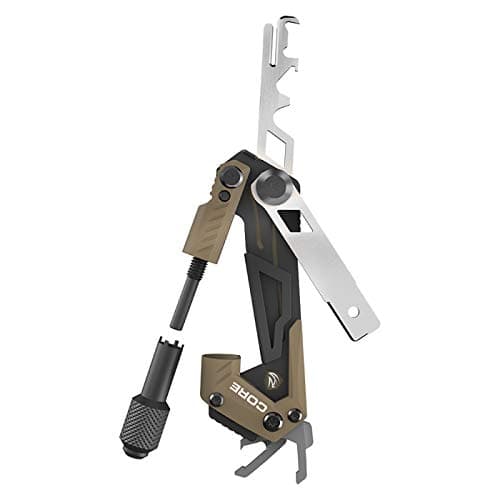
Buying guide
Aero Precision: The Owner's Guide
What Aero actually makes, why their parts are bought direct rather than on a marketplace, and the six-tool maintenance bench for a rifle built on them.
Best AR owner's tool · Gun Multi Tool CORE, 15 Tools
#ad · price as of October 19, 2026
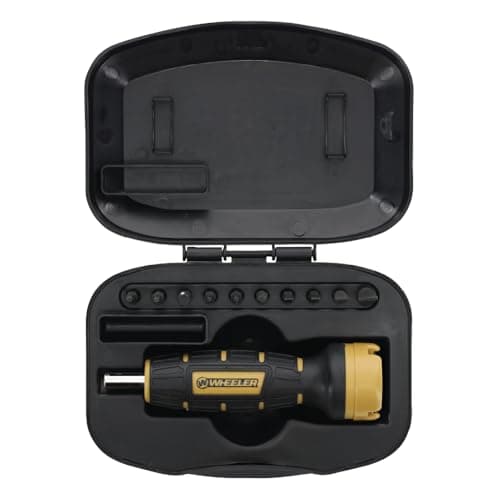
Buying guide
Your First AR Build: What to Know
The seven tools that prevent the failures a first build actually has — roll pins, torque, and holding the work — with live prices and no parts links anywhere.
Best AR build tool · Digital FAT Wrench with LCD Display
#ad · price as of October 19, 2026
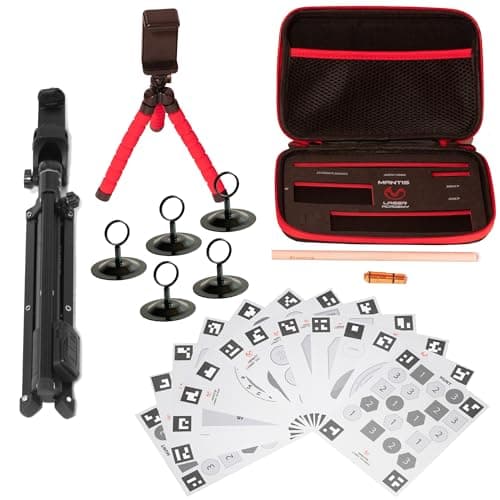
Review
Why the 2011 Platform Earned the Hype
An owner's take on the 2011 platform, Staccato's current lineup from their own catalog, and the eight-piece range and training kit that actually improves how you shoot one.
Best dry-fire system · Laser Academy Training Kit for 9mm
#ad · price as of October 19, 2026
- Roundup · No image
Roundup
Best Holsters for Staccato Pistols
Eight Kydex options from $27 to $85 with the exact Staccato models and lights each listing names — plus an honest warning about magazine carriers.
Best Staccato holster · OWB Kydex Holster — listing states Staccato P / CS / XC / XL
#ad · we may earn a commission
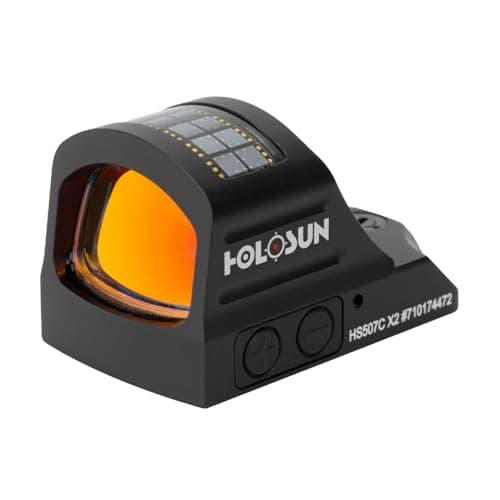
Roundup
Best Red Dots for 2011 Pistols
Eight optics from $125 to $575 with their footprints named, matched to the factory Dawson Precision DPO kits Staccato actually sells.
Best pistol red dot · HS507C-X2, 2 MOA Dot + 32 MOA Circle
#ad · price as of October 19, 2026
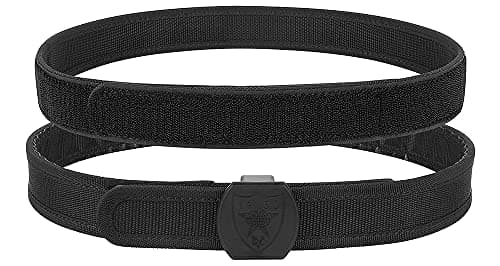
Buying guide
3-Gun & Tactical Games: The Getting-Started Guide
The honest orientation: what a stage looks like, the six equipment divisions in the current rulebook, realistic startup costs, and the five things you need before your first match.
Best first-match kit · KRYDEX Inner & Outer Competition Belt
#ad · price as of October 19, 2026
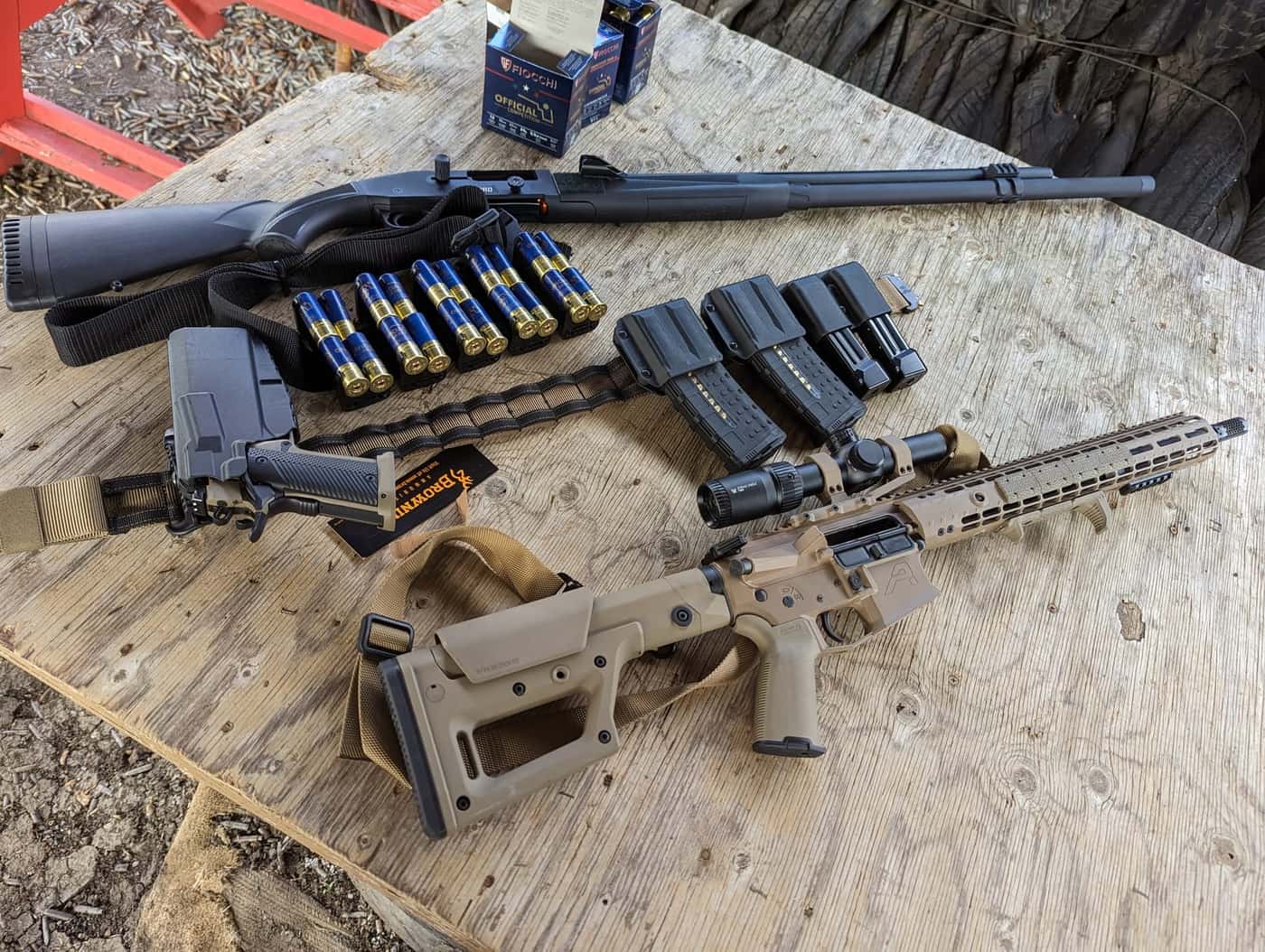
Buying guide
What Makes a Good 3-Gun Rifle
Editorial, not a roundup. Gas system, barrel length, weight distribution, trigger and muzzle device — and honest guidance on buying through a dealer.
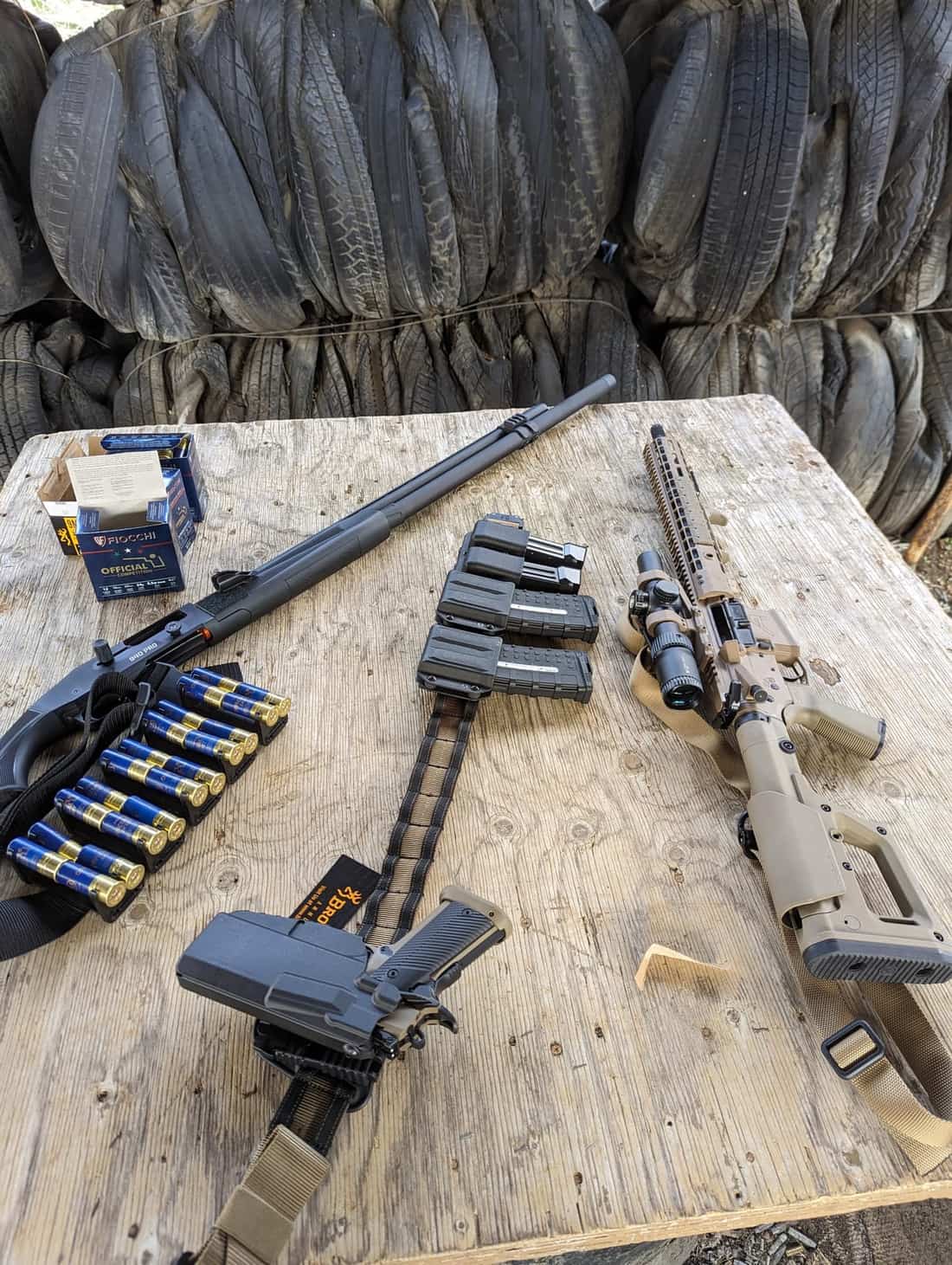
Buying guide
What Makes a Good 3-Gun Shotgun
Editorial, not a roundup. Why semi-autos dominate, what loading-port work means, the Benelli/Beretta/Stoeger tiers, and honest dealer guidance.
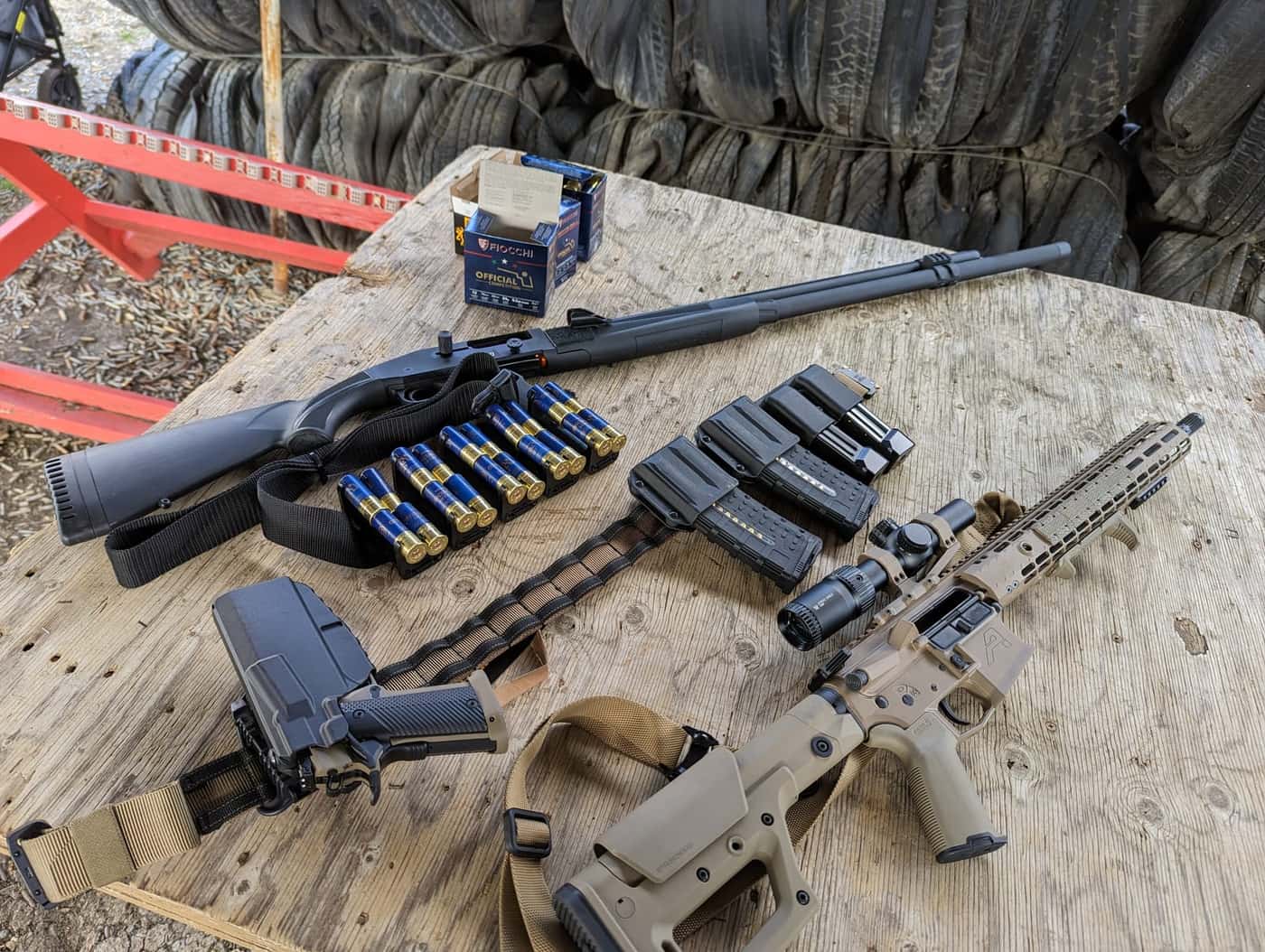
Buying guide
What Makes a Good 3-Gun & USPSA Pistol
Editorial, not a roundup. The 2011 tier including Staccato, the CZ Shadow 2 tier and the Glock 34 tier, plus what actually makes a pistol fast on a stage.
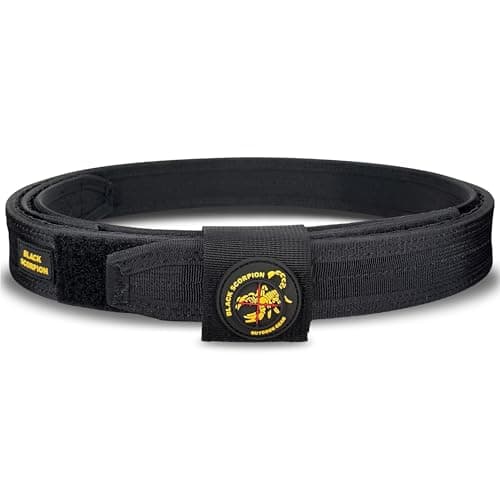
Roundup
Competition Belts & Holster Setups
Seven picks across two-piece belts, ALS and GLS retention holsters and drop-offset hardware — plus the thigh rig you should not buy.
Best competition belt · Black Scorpion Pro Heavy-Duty Competition Belt
#ad · price as of October 19, 2026
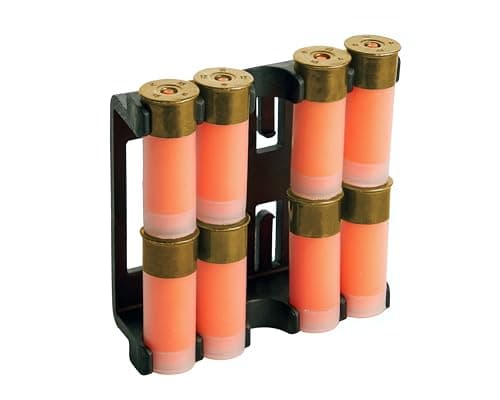
Roundup
Shotgun Shell Caddies & Quad Loaders
Six picks across quad caddies, side saddles, cards and stock carriers, with a load-two versus load-four explainer and one listing that is not a caddy at all.
Best shell caddy · Johnny Clip 2x4 Quad Loader Caddy
#ad · price as of October 19, 2026
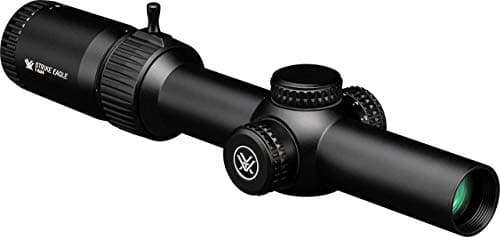
Roundup
Best LPVOs for 3-Gun (and the Offset Dot)
Three LPVOs and four 45-degree offset mounts, ranked with live prices — including why true 1x and second focal plane matter more than glass on a multigun stage.
Best 3-Gun optic setup · Vortex Strike Eagle 1-6x24
#ad · price as of October 19, 2026
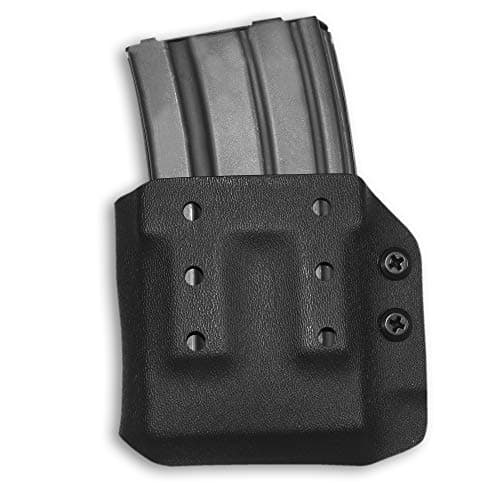
Roundup
Mag Pouches & Rifle Mag Retention
Six picks across Kydex pistol and rifle pouches, Tek-Lok belt attachment and carrier-mounted MOLLE — including why open-top nylon is a false economy.
Best mag pouch · AR-15 / M4 Kydex OWB Mag Pouch
#ad · price as of October 19, 2026
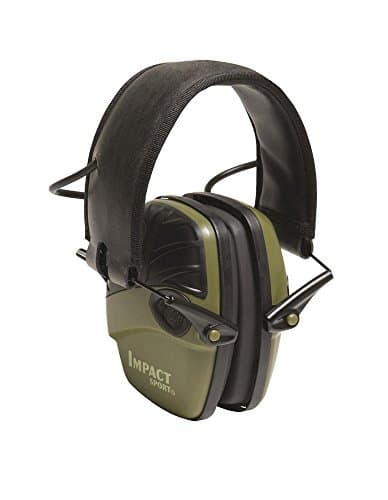
Roundup
Eye & Ear Protection for Competition
Six picks across electronic muffs and shooting glasses, with the cup-depth versus attenuation trade-off explained and honest notes on which listings state a real impact rating.
Best competition ear pro · Howard Leight Impact Sport
#ad · price as of October 19, 2026
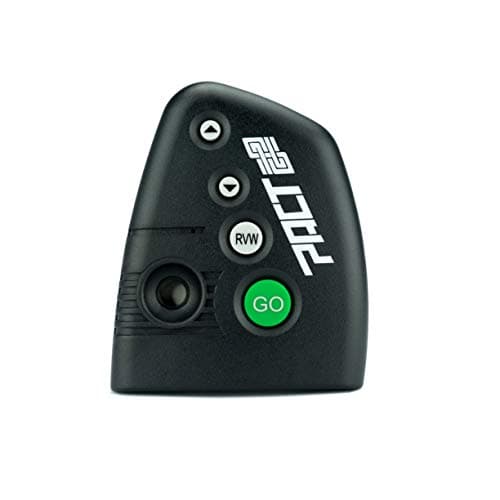
Roundup
Shot Timers & Dry-Fire Practice Gear
Six picks across standalone timers, Bluetooth logging timers and laser dry-fire kits — plus a starter dry-fire routine and one listing whose compatibility claims do not hold up.
Best shot timer · Club Timer III Shot Timer
#ad · price as of October 19, 2026
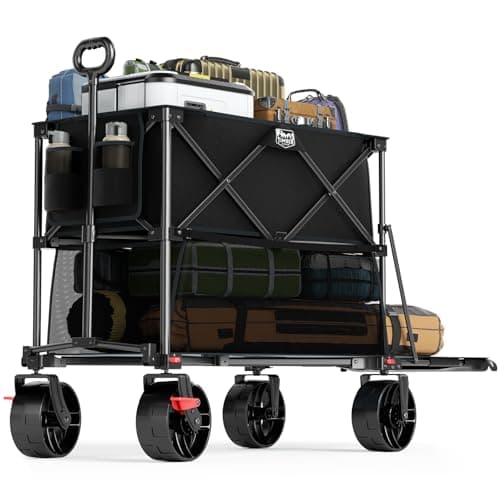
Buying guide
The Match-Day Gear Checklist
The full packing list: carts ranked with live prices, staging discipline, hydration, and the spare parts kit that means a broken part is not a lost day.
Best match cart · TIMBER RIDGE 400L Double Decker Wagon
#ad · price as of October 19, 2026
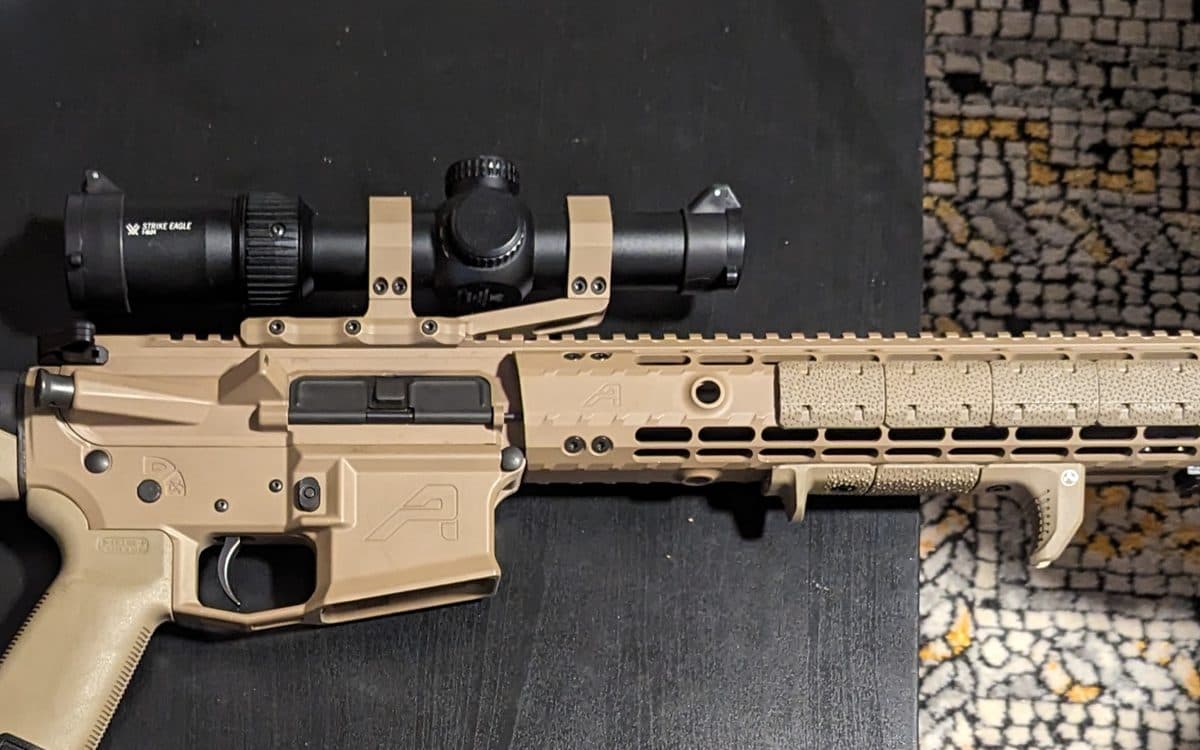
Build log
My 16in .223 Wylde SPR Build
The full parts ledger and the reasoning: why 16in .223 Wylde midlength, why the PRS Lite and bipod, why the LE145 trigger, and what the whole thing cost.
Best 1-8x LPVO · Vortex Strike Eagle 1-8x24 (BDC3 MOA)
#ad · we may earn a commission
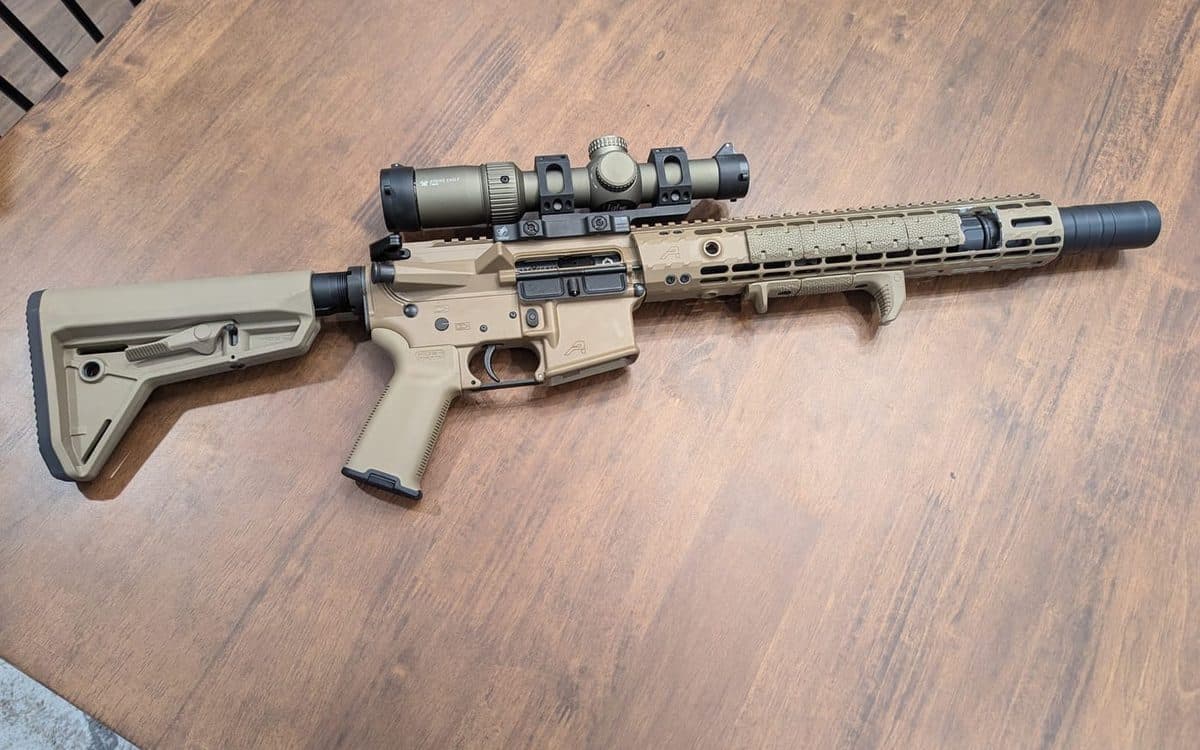
Build log
My Suppressed 300 BLK SBR Build
The parts ledger plus the reasoning: why 300 BLK suits a suppressed short barrel, why an adjustable bleed-off gas block is the key part, and the NFA facts stated plainly.
Top pick · Vortex Strike Eagle 1-8x24 (BDC3 MOA)
#ad · we may earn a commission
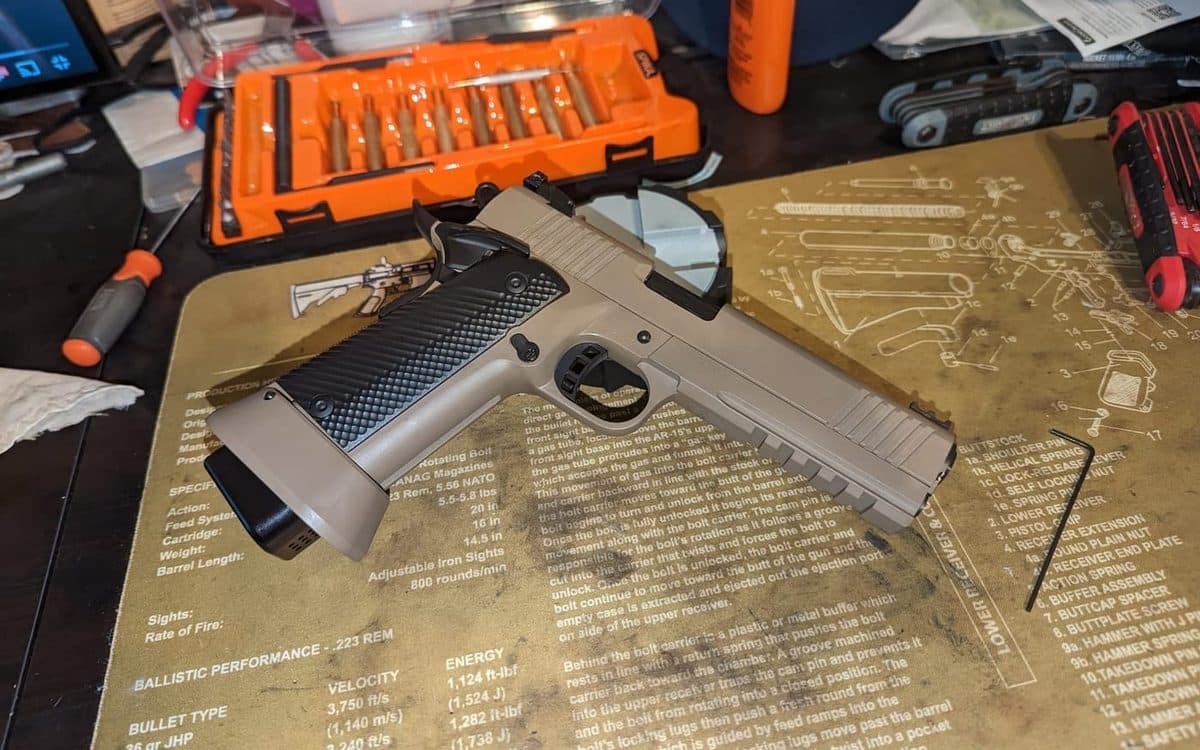
Build log
My Match Pistol: A Cerakoted RIA TAC Ultra FS HC
A budget double-stack 1911 in 9mm, refinished in tan and black, with the capacity math from Taylor Freelance basepads and the specialist-shop reality behind the parts.
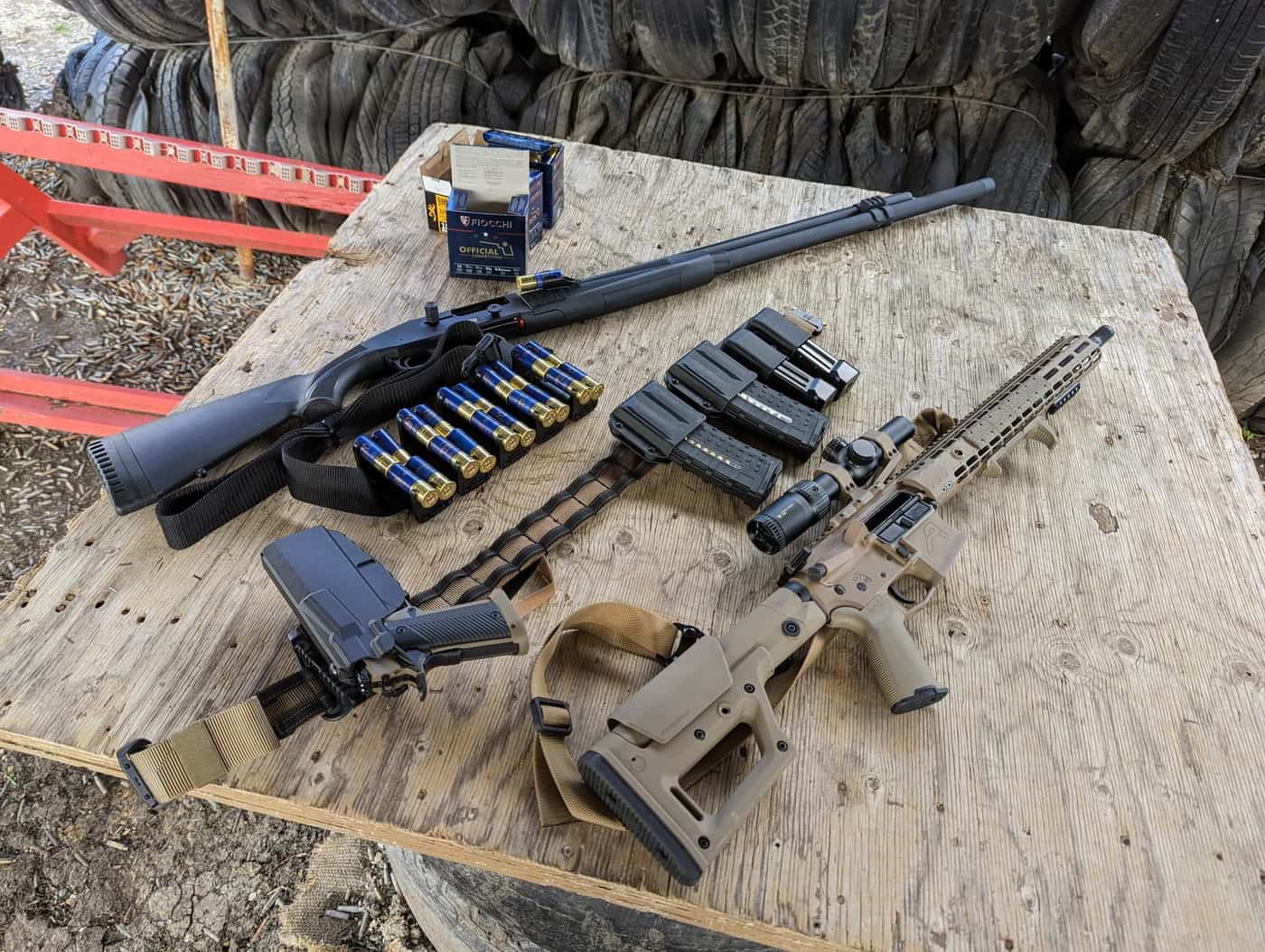
Review
The Mossberg 940 Pro for 3-Gun
Why the 940 Pro arrives closer to match-ready than most gas guns, what the JM Pro lineage brought to it, and the accessories that still need buying.
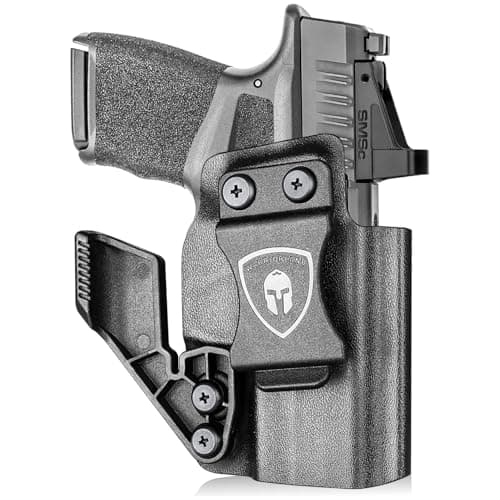
Buying guide
Compensators and Safeties on a Carry Gun
The carry journey: a PF-9 on a frame clip, wanting chambered carry, wanting a thumb safety, and a Hellcat RDP with the compensator taken off.
Best Hellcat-fit holster · WARRIORLAND IWB Kydex Holster (Hellcat / RDP / OSP)
#ad · price as of October 19, 2026
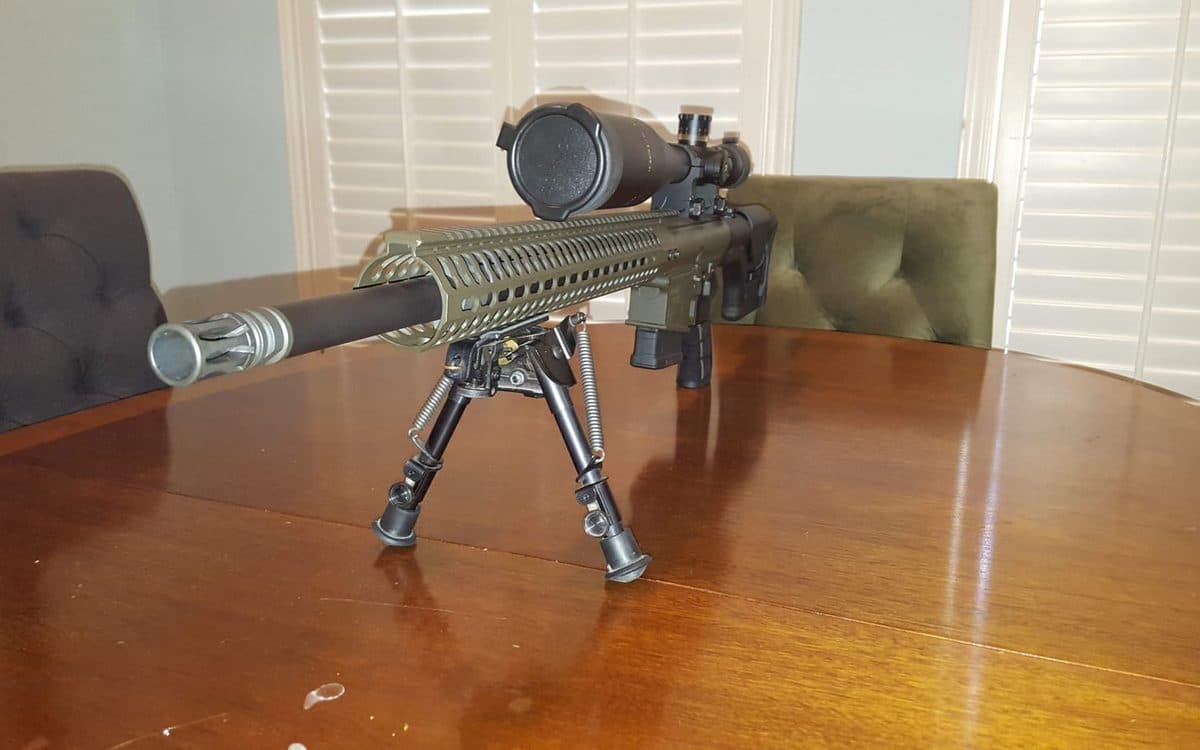
Build log
My LR-308 Build
The full $2,854 parts ledger: why the 20in Criterion went on, why the gas block is adjustable, and why a flat scope mount quietly capped the rifle at a distance I did not want to be capped at.
Best 6-24x precision scope · Vortex Viper PST Gen I 6-24x50 SFP, EBR-1 (MOA)
#ad · price as of October 19, 2026
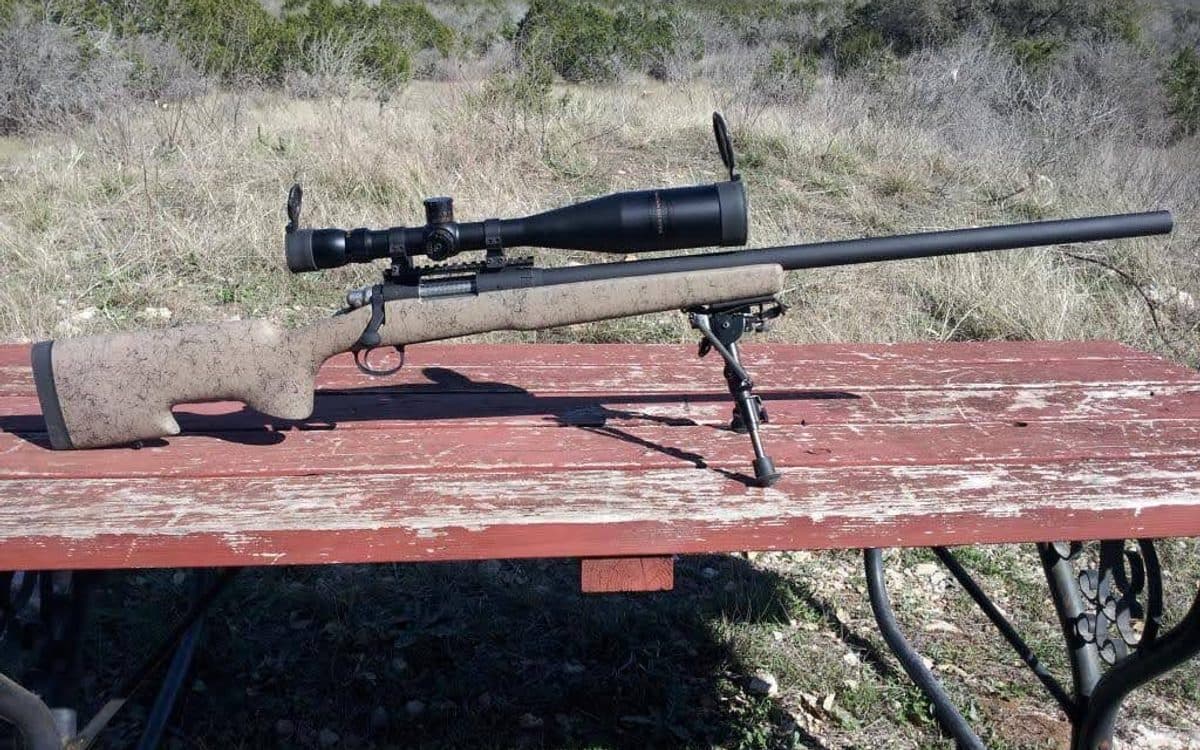
Build log
My Remington 700 Build
A Rem/Age prefit barrel, a Grayboe A3 in tan with black spiderweb, a 20 MOA EGW base and the Sightron SIII 8-32x56 — plus an honest explanation of what a barrel-nut prefit really lets you do.
Best 20 MOA base · Sightron SIII LR 8-32x56, MOA-2 Tactical
#ad · price as of October 19, 2026
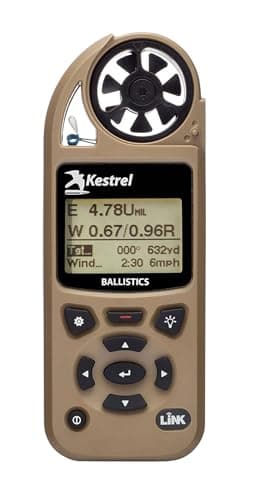
Buying guide
Shooting the White Buffalo at 1,123 Yards
The NRA Whittington Center's famous long-range silhouette, the two different distances everyone quotes for it, the rules that catch people out, and the kit that earns its space in the truck.
Best wind meter · Kestrel 5700 Ballistics Weather Meter
#ad · price as of October 19, 2026
Buying guide
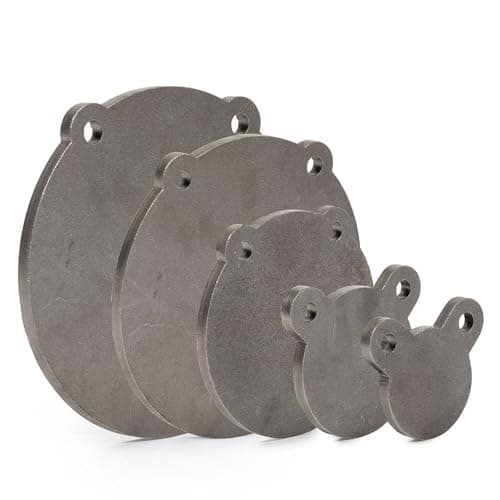
Where to Actually Shoot Long Range in Texas
What long-range access actually means, the verified Texas facilities and their real access requirements, the qualification hurdle nobody mentions, and the case for the destination trip.
Best steel target set · AR500 Steel Gong Set, 3/8in (five sizes)
#ad · price as of October 19, 2026
Buying guide
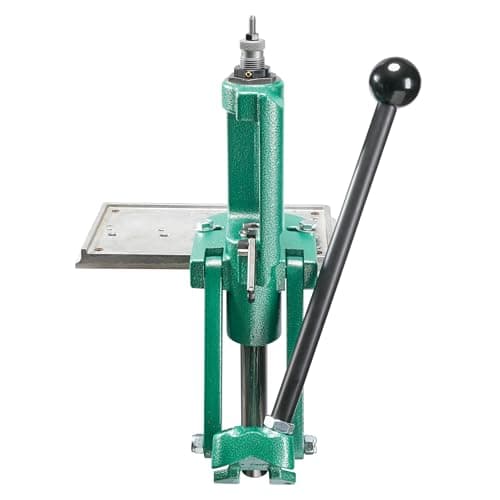
Why I Handload for Long Range
The case for handloading at distance — velocity consistency, tuning to your specific rifle, and the real cost arithmetic — plus the bench equipment that earns its place. No load data, ever.
Best reloading press · RCBS Rock Chucker Supreme Single Stage Press
#ad · we may earn a commission
Roundup
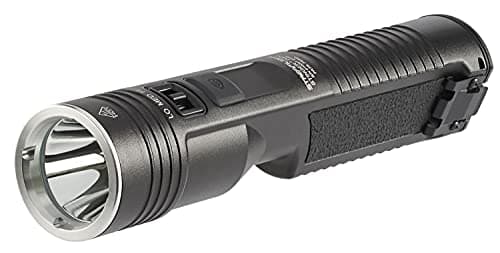
Best Duty Flashlights
Six full-size rechargeable lights judged on sustained output, published candela and whether the maker stands behind them — plus why the brightest is rarely the right answer.
Best duty flashlight · Streamlight Stinger 2020 (2,000 lumens, 25,000 candela)
#ad · price as of October 19, 2026
Roundup
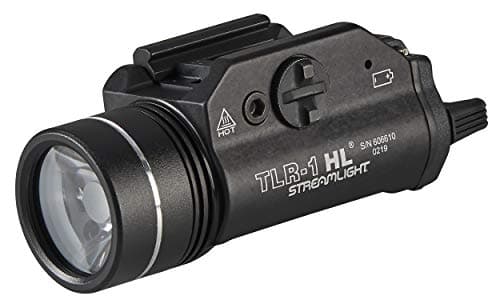
Best Weapon Lights
Pistol and long-gun lights compared on the things that actually govern the choice — fitment, switch ergonomics, holster availability and published candela.
Best weapon light · Streamlight TLR-1 HL (1,000 lumens)
#ad · price as of October 19, 2026
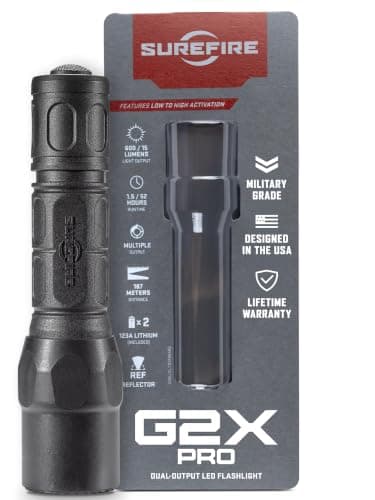
Head to head
Flashlight Brands Compared: What Each Tier Buys
SureFire, Streamlight, Fenix, Nitecore, Olight and the budget-enthusiast brands, ranked by what the price step actually delivers rather than by reputation.
Best light per dollar · SureFire G2X Pro (600 lumens, 8,700 candela)
#ad · price as of October 19, 2026
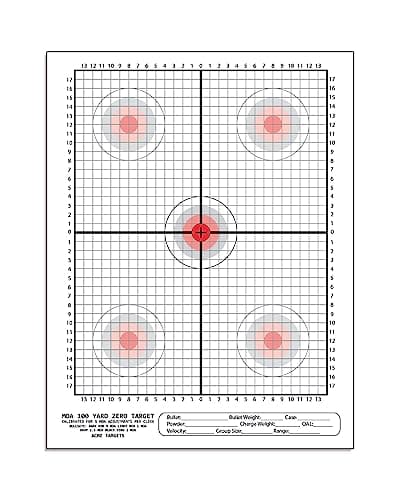
Buying guide
How to Zero a Rifle Scope
The scoped-rifle procedure end to end — torque the mount, level the reticle, start at 25 yards, finish at 100 — plus the one popular tool most shooters do not need.
Best sight-in target · 100-Yard Zero Target, Calibrated for 1/4 MOA per Click
#ad · price as of October 19, 2026
Buying guide
How to Build a DOPE Card
What DOPE is, which fields to record, how to true a calculator against real impacts, and where to carry the card so you will actually read it.
Best data book · Long Range Shooting Data Book, Precision Rifle DOPE Log
#ad · price as of October 19, 2026
Buying guide
Wind Reading Fundamentals
Reading wind with mirage, vegetation and flags, the full-value and 10 mph shortcuts that make it manageable, and the honest limits of a handheld meter.
Best wind meter · Kestrel 5700 Ballistics Weather Meter
#ad · price as of October 19, 2026
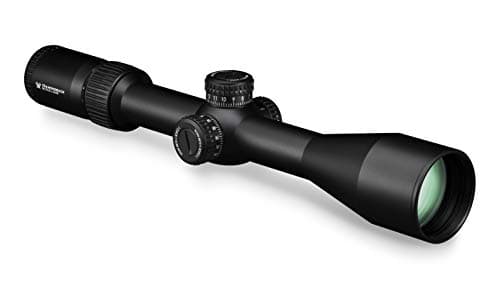
Head to head
FFP vs SFP Riflescopes
The focal plane decision made concrete: how each behaves across the magnification range, which shooters each suits, and picks on both sides including the one to skip.
Best FFP scope · Vortex Diamondback Tactical 6-24x50 FFP
#ad · price as of October 19, 2026
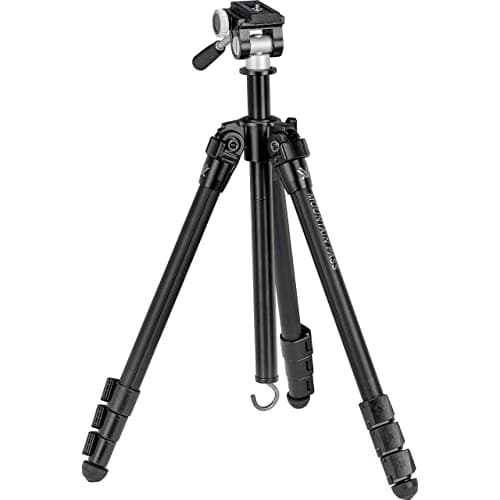
Roundup
Tripods for Spotting Scopes and Binoculars
Glassing tripods, shooting tripods, pan heads and the binocular adapter that changes what you can see — ranked by what they are actually for, with one premium kit to skip.
Best glassing tripod · Vortex Mountain Pass Tripod Kit
#ad · price as of October 19, 2026
Head to head
Single Stage vs Progressive Press
Single stage, turret and progressive presses compared by the problem each one solves, plus the sixteen-hundred-dollar kit that is the wrong first purchase.
Best reloading press · RCBS Rock Chucker Supreme Single Stage Press
#ad · we may earn a commission
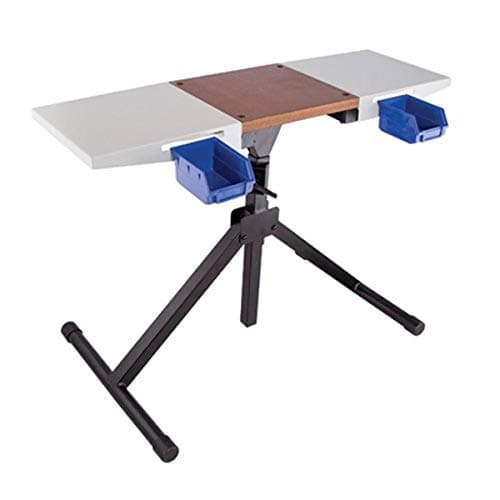
Buying guide
Precision Reloading Bench Setup
Mounting rigidity, press height and stroke ergonomics, the light that goes down the case mouth, and the storage that stops you unscrewing die settings to find things.
Best reloading stand · Frankford Arsenal Platinum Series Reloading Stand
#ad · price as of October 19, 2026
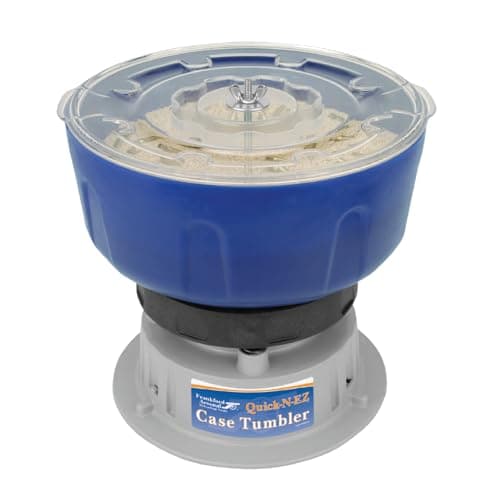
Buying guide
Case Prep Tools, and Which Steps Matter
Every case prep step ranked by whether it affects the target: tumbling wet versus dry, chamfer and deburr, primer pockets, and the bundle to skip.
Best case prep tool · Frankford Arsenal Quick-N-EZ Vibratory Case Tumbler
#ad · price as of October 19, 2026
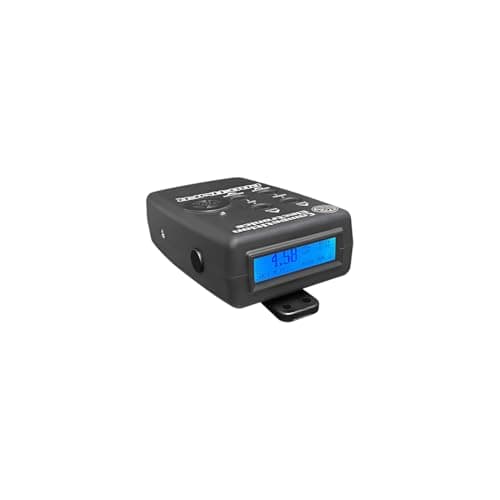
Buying guide
Stage Planning Basics
Reading the briefing, counting rounds, picking reload points and rehearsing the plan — plus the four cheap tools that turn a walkthrough into something you can actually repeat.
Best shot timer · Competition Electronics ProTimer Shot Timer
#ad · price as of October 19, 2026
Roundup
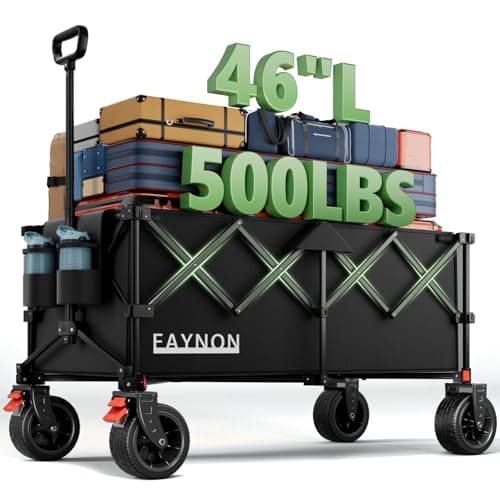
The Match Cart and Gear Staging
Choosing a cart by bed length rather than capacity, staging long guns safely at a bay, and the four cheap items that make an eight-hour match day survivable.
Best match cart · Extended Collapsible Wagon, 46in Bed, 500lb Capacity
#ad · price as of October 19, 2026
Roundup
Best Long Range Rifle Scopes
Seven precision scopes across four brands, ranked on turret tracking and reticle rather than magnification — plus the one that is genuinely enough for almost everybody.
Best long-range rifle scope · Diamondback Tactical 4-16x44 FFP, EBR-2C (MOA)
#ad · price as of October 19, 2026
Roundup
Best Scope Rings and Mounts
Eight picks covering rings, one-piece AR mounts, 20 MOA bases and the inch-pound wrench — plus how to pick a ring height without guessing.
Best scope rings · Pro Series Riflescope Rings, 30mm Medium
#ad · price as of October 19, 2026
Roundup
Best Gun Cases for Air Travel
The TSA requirements quoted in full, then six hard cases judged on whether they can actually be locked shut — including the cheap case to avoid for flying.
Best gun case for flying · Plano All Weather 36in Tactical Case
#ad · price as of October 19, 2026
Head to head
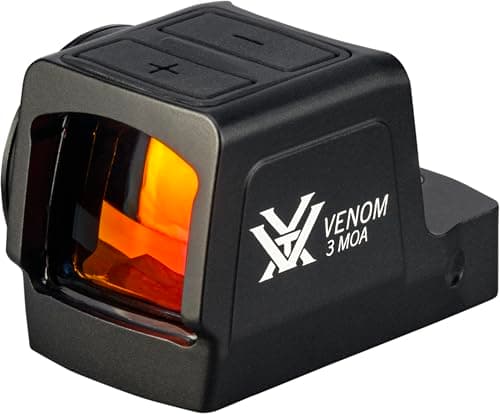
Enclosed vs Open Emitter Red Dots
What the two housing designs actually do differently, when the enclosed premium is worth paying, and five sights across both camps with live prices.
Best enclosed emitter dot · Venom Enclosed Micro Red Dot, 3 MOA
#ad · price as of October 19, 2026
Buying guide
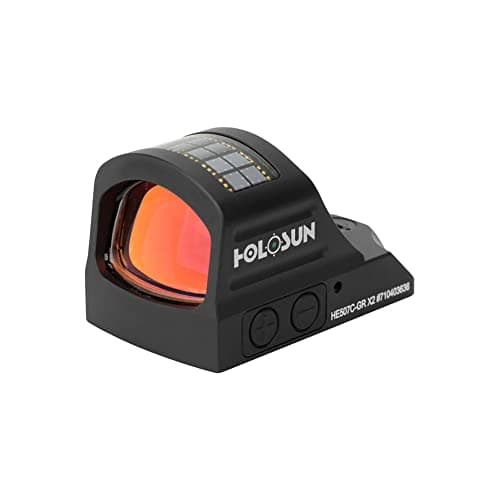
Best Red Dots for Astigmatism
The optical reason an LED dot smears for astigmatic eyes, the three things that reliably help, and five sights that take the problem seriously.
Best green dot for astigmatism · HE507C-GR-X2, Green 2 MOA Dot + 32 MOA Circle
#ad · price as of October 19, 2026
Buying guide
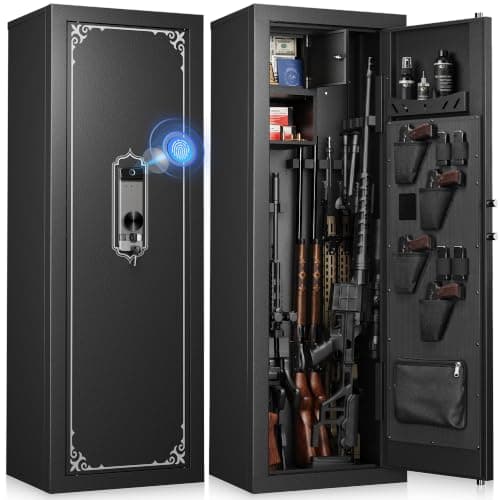
Long-Term Gun Storage
The sequence for putting a firearm away for a year — clean, oil, humidity control, the right container — and the three storage habits that cause most of the rust.
Best cabinet for long-term storage · KAER 59in Biometric with Top Lock Box
#ad · price as of October 19, 2026
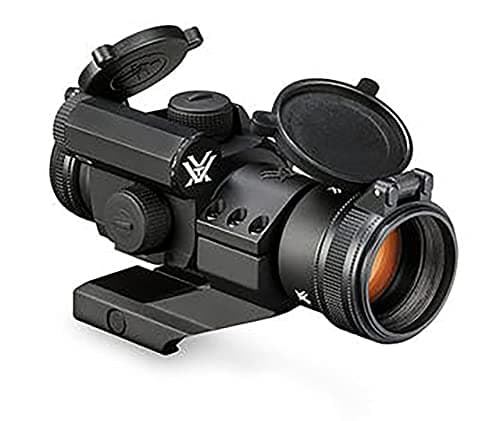
Roundup
Best Red Dots for Shotguns
Seven dots ranked for a shotgun rather than a rifle: 4 MOA for birds, a circle-dot for turkey and slugs, an enclosed emitter for the marsh, and the mount nobody budgets for.
Best shotgun red dot · StrikeFire II Red Dot, 4 MOA Red/Green
#ad · price as of October 19, 2026
Roundup
Best Scopes for an AR-10
Six optics for a .308 or 6.5 Creedmoor gas gun, split by what the rifle is for — plus the cantilever mount that makes any of them fit, and the glass on my own LR-308.
Best AR-10 scope · Diamondback Tactical 4-16x44 FFP, EBR-2C (MOA)
#ad · price as of October 19, 2026
Roundup
Best Rifle Scope Brands
Six scope brands laid side by side with one representative model each — what each is good at, what its warranty is worth, and where the no-brand tier stops being a bargain.
Best rifle scope brand · Diamondback Tactical 4-16x44 FFP, EBR-2C (MOA)
#ad · price as of October 19, 2026
Buying guide
What Size Red Dot Do You Need?
What a dot's MOA figure covers at 10, 25, 50 and 100 yards, which size fits which job, and the circle-dot reticle that is the honest answer when you cannot decide.
Top pick · HS507C-X2, 2 MOA Dot + 32 MOA Circle
#ad · price as of October 19, 2026
Head to head
Red Dot vs Green Dot
The eye-physiology reason green looks brighter, the three cases where it matters and the several where it does not, plus the same optic in both colors so you can price the difference.
Top pick · HE507C-GR-X2, Green 2 MOA Dot + 32 MOA Circle
#ad · price as of October 19, 2026
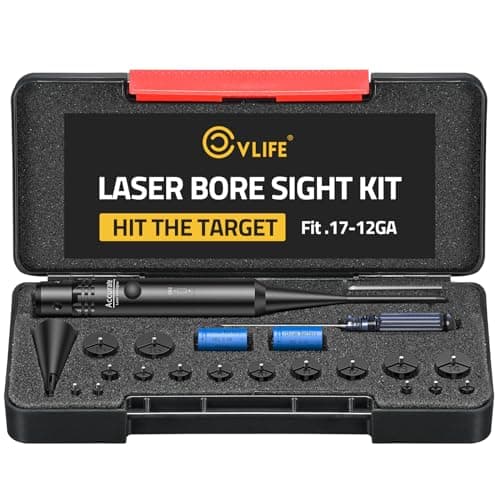
Buying guide
Can You Zero a Red Dot Without Shooting?
The honest answer is no, and the useful answer is bore sighting: what it buys you, what it cannot, and the three-round range trip that finishes the job.
Top pick · CVLIFE Laser Bore Sight Kit, .17 to 12GA
#ad · price as of October 19, 2026
Head to head
Single Point vs Two Point Sling
Two points for almost everybody, and the honest case for one. Weight transfer, shooting positions, the swinging-muzzle problem, and four two-point slings with live prices.
Top pick · Magpul MS1 Two-Point Quick-Adjust
#ad · price as of October 19, 2026
Buying guide
How to Attach a Rifle Sling
Swivel studs, QD sockets, M-LOK and loops — how to identify what your rifle has, what to do when it has none, and which slings fit which.
Best sling to mount anywhere · Magpul MS1 Two-Point Quick-Adjust
#ad · price as of October 19, 2026
Head to head
Magpul MS1 vs Vickers Sling
MS1 against the Vickers Padded QD: same core capability, different padding, hardware and price. Which one your rifle and your day actually calls for.
Best quick-adjust sling · Magpul MS1 Two-Point Quick-Adjust
#ad · price as of October 19, 2026
Buying guide
What to Put in a Range Bag
The honest range bag list: what lives in the bag permanently, what belongs in the vehicle, and the cheapest item in it that actually makes you shoot better.
Best range bag to build around · Savior Equipment Specialist Triple Pistol Bag
#ad · we may earn a commission
Before you buy
MOA and MRAD are units, not quality tiers
A minute of angle is one sixtieth of a degree, which works out to almost exactly one inch at 100 yards, two inches at 200, and so on. A milliradian is one thousandth of a radian: 3.6 inches at 100 yards, or a tidy 10 centimeters at 100 meters. Neither is more accurate than the other. They are different rulers.
What matters is that your turret units and your reticle units match. A scope with an MOA reticle and MRAD turrets forces a conversion every time you correct, in the field, under time pressure — which is exactly when arithmetic goes wrong. Buy matched, and the system works.
The practical consequence for a red dot is worth stating plainly: a 2-MOA dot covers about two inches at 100 yards, a 6-MOA dot covers six. Smaller dots are more precise and harder to pick up quickly; bigger dots are faster and cruder. That is the whole trade, and it should be decided by distance and target size rather than by price.
Hearing protection is rated, and the rating is optimistic
Noise Reduction Rating is measured in a laboratory on a perfect fit, and real-world attenuation is meaningfully lower. Gunfire is impulse noise well above the threshold at which permanent damage happens instantly, so this is one of the few places in gear where over-buying is the correct instinct.
Electronic muffs are worth the premium for one specific reason: they amplify ambient sound while compressing the gunshot, so you can hold a conversation and still hear a range command. Passive muffs with a higher NRR protect at least as well and leave you deaf to everything.
Indoors, or beside a muzzle brake, doubling up plugs plus muffs is the right answer. The combined protection is not additive — you gain roughly five decibels over the better of the two, not the sum — but five decibels at those levels is a great deal of energy.
Glass quality shows up in the coatings line
Optics listings hide the useful information in one phrase. Coated means one surface has one layer. Fully coated means every air-to-glass surface has one. Multi-coated means at least one surface has multiple layers. Fully multi-coated means every air-to-glass surface has multiple layers, and it is the only one of the four that reliably indicates the optic will still be usable in the last twenty minutes of legal light.
The other two phrases worth finding are nitrogen or argon purged, which is what stops internal fogging when a cold optic meets warm air, and O-ring sealed, which is what keeps water out. An optic missing both is an indoor optic being sold as an outdoor one.
Magnification is where most buyers over-spend. Above about 10x, handheld glass shakes enough that a tripod becomes mandatory rather than optional, and a steady 10x42 binocular resolves more real detail than a wobbling 20x50. Buy the steadier option and put the savings into the coatings line.
The brand series, and what it is honest about
There is a run of brand pages through this section — Vortex, Sightron, US Optics, Aero Precision and Staccato — and each one exists because the brand is either undercovered or routinely covered dishonestly. Vortex is the one everybody knows, and the useful part is the tier ladder: what Crossfire to Diamondback to Viper to Razor actually buys at each rung, and the VIP warranty in Vortex's own words including the four things it excludes. Sightron is the opposite problem, a company whose premium SIII and SV lines come out of its own Japanese facility while the entry lines come from the Philippines plant — a distinction that matters enormously and gets skipped constantly.
US Optics gets an editorial page with nothing linked, because they are not sold on a marketplace at all. The comparison page next to it covers what you can actually buy at that money, plus the mounting hardware you need whatever ends up in the rings. Nobody spends four figures on glass and then thinks about ring torque, and it is the most common reason an expensive optic underperforms.
Aero Precision and Staccato are covered under a rule this site does not bend: no firearm, receiver, barrel, bolt carrier group, trigger or regulated part is ever listed, priced or linked here. Amazon does not sell them and neither do we. Those pages are editorial about the parts and the platform, they tell you to buy direct from the maker or a dealer, and they monetize only the ecosystem around them — armorer's tools, holsters, optics, cases and dry-fire gear. Where a holster listing does not name your exact model, the page says so rather than guessing.
The rest of the outpost
Other categories
- Knives & EDCThe gear that lives in your pocket every day, ranked on the three things that actually decide it: the steel, the lock, and how much you notice carrying it.
- HuntingBoots, packs, glass and cameras, judged on the specifications that decide whether you stay out all day or turn back at noon.
- CampingTents, sleep systems, stoves and coolers, sorted by whether you are carrying them on your back or lifting them out of a truck bed.
- FishingRods, reels, line and electronics, matched to the water you fish rather than the one in the catalog photo.
- OverlandingRooftop tents, recovery kit, air and 12-volt power, checked against your vehicle's actual ratings before anything gets recommended.
- The GarageTwo project vehicles, a soldering iron that has actually been used, and the gear pages that came out of doing the work rather than reading about it.
- PC BuildsSame instinct as the garage, smaller fasteners. How I plan a build, how the cables get tidy, and the desk gear that holds it all up.
- Home DIYSame instinct as the garage, applied to the house and the yard. Real projects, my own photographs, and the parts of each job I would do differently.