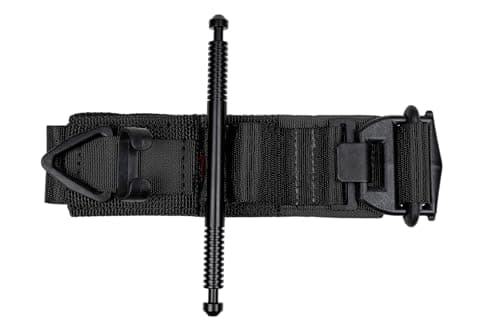
Start here, because it is the only part of this page that can kill somebody: counterfeit C-A-T tourniquets are a documented, industrial-scale problem, and a counterfeit tourniquet is worse than no tourniquet at all.
That is not internet folklore. North American Rescue, who manufacture the C-A-T, publish about counterfeits reaching first responders and failing when they are needed, and the US International Trade Commission issued a General Exclusion Order that lets Customs seize imported items resembling C-A-Ts at the border. NAR's own line is the most useful sentence in the whole subject: genuine C-A-Ts are made in the United States. On this site, no tourniquet is ever linked outside its manufacturer's own listing, and there is no budget multi-pack anywhere on this page at any price.
The second thing, and it is nearly as important: this page describes objects. It does not teach you to use them, and buying all of it does not make you capable of anything. The training page is the other half, and if you only have money for one, spend it there.
Why an IFAK is a different object from a first-aid kit
A first-aid kit treats things that will be fine: cuts, blisters, splinters, a headache. An IFAK treats things that will not be fine: severe bleeding, and specifically the kind that empties somebody in minutes. Different problem, different contents, and they do not substitute for each other in either direction.
The word "individual" is the other half of the name. An IFAK is traditionally the kit carried for you, used by whoever gets to you — which is why it goes somewhere consistent and obvious rather than somewhere clever.
The six items, and what each one is for
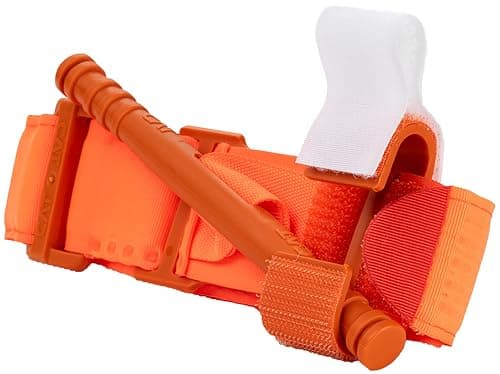
1. Tourniquet — for limb bleeding
The item with a documented counterfeit problem and a single-use, one-chance failure mode. Buy genuine, from the manufacturer's listing, and know that a tourniquet only works where there is a limb above the injury to compress.
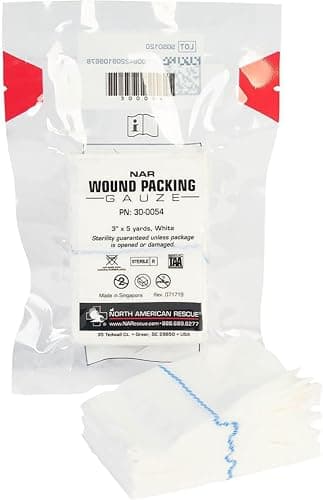
2. Wound packing gauze — for everything a tourniquet cannot reach
Junctional wounds — the shoulder, the groin, the neck — and torso wounds have nothing above them to squeeze. Gauze packed into the wound is the answer, and it is the item on this list that most needs an instructor rather than an article.
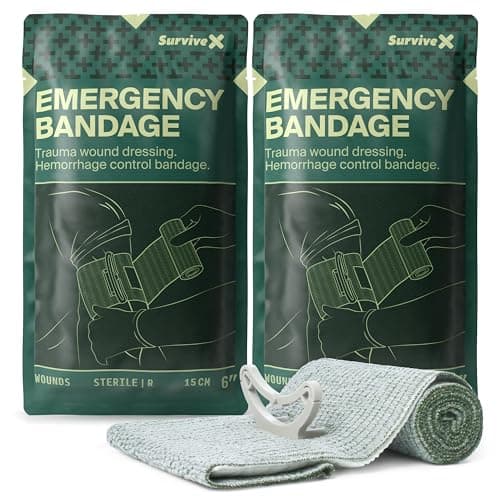
3. Pressure bandage — to hold it and keep pressure on
The elastic wrap with a pressure bar that lets one person maintain direct pressure while doing something else, including moving. Without it, packing gauze requires a hand that stays there.
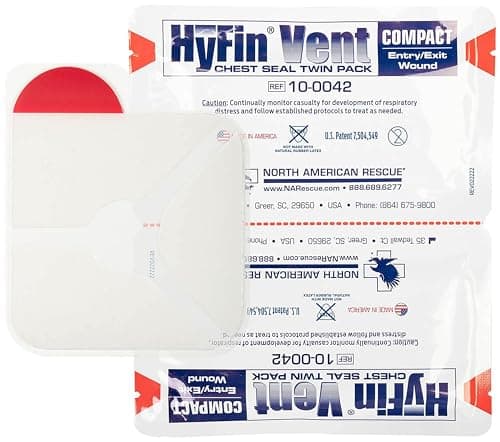
4. Chest seal — for penetrating chest injuries
Sold in twin packs because penetrating injuries frequently have an entry and an exit, and the exit is on the side you cannot see. Vented is the current standard in the training.
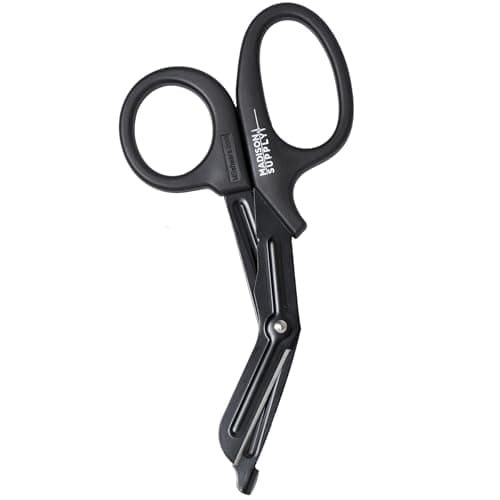
5. Trauma shears — because you cannot treat what you cannot see
Eight dollars, and the single most commonly omitted item in a homemade kit. Denim, a jacket and a pack strap are all between you and the injury.
6. Gloves — for you
Not squeamishness. You do not know the medical history of the person you are helping, and you will not be thinking about it at the time.
Where it goes matters as much as what is in it
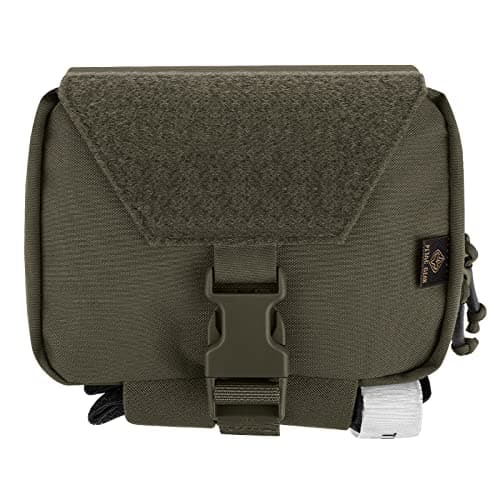
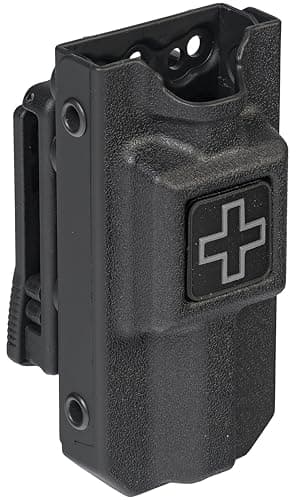
A kit in the bottom of a pack twenty yards away is a kit you do not have. A rip-away pouch on a belt goes to the patient in one motion — including when the patient is somebody else and somebody else is working on you.
The vehicle version of this problem is different enough to have its own page: vehicle trauma and first-aid kits covers mounting, kit tiers and what belongs in a truck rather than on a belt.