Most EDC advice is a shopping list, which is why most EDC ends up in a drawer. A loadout is not a set of products, it is a set of slots — physical places on your body where something can live without annoying you — and a weight budget you will actually tolerate.
Get those two right and the products almost choose themselves. Get them wrong and you will own excellent gear that stays home.
The slots, for most people in ordinary clothing: right front pocket, left front pocket, back pocket, and keyring. That is four. Anything beyond four items needs a bag, and a bag is not everyday carry — it is the thing you leave at your desk.
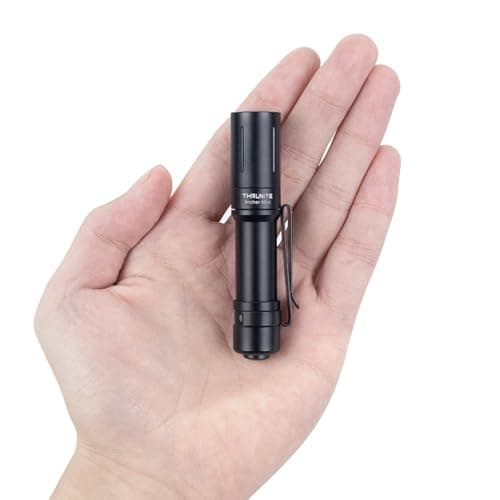
The light is the item in a loadout where people overspend on the wrong specification. How many lumens you need explains why 250 lumens does nearly everything a pocket light is asked to do, and the wider EDC gear roundup covers what sits alongside it.
Building it slot by slot
Slot 1 — dominant front pocket: the knife
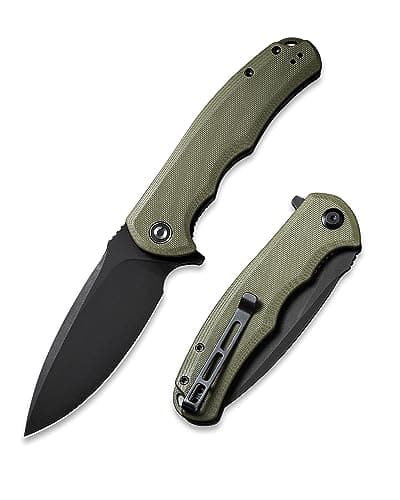
Clipped, tip-up, on the side you will reach with. This is the most-used tool, so it gets the best position. Weight target: under three ounces, because this is the item most likely to be abandoned for being heavy.
Slot 2 — other front pocket: the light and the wallet
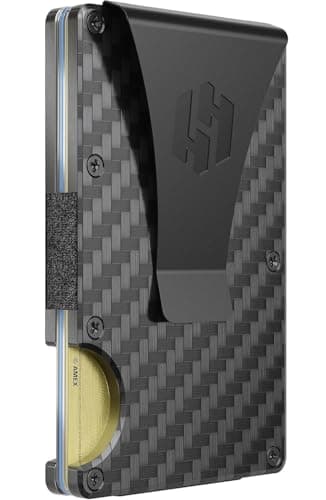
A pocket light is small enough to share a pocket with a slim wallet, and this is the argument for a slim wallet that has nothing to do with fashion. A bifold occupies the entire pocket. Weight target: light under two ounces, wallet under three.
Slot 3 — back pocket: keep it empty
This is the one most people fill and the one that should stay clear. A wallet in a back pocket puts an asymmetric wedge under one side of your pelvis every time you sit, which is the actual origin of the slim-wallet trend.
Slot 4 — keyring: the always-there items
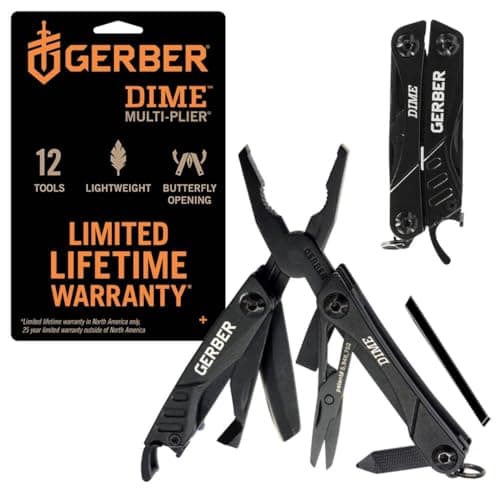
A keychain light and a small multitool. These are the items with a 100 percent availability rate because your keys go everywhere. Their capability is lower and their availability is perfect, and availability usually wins.
The weight budget
Total pocket carry that most people tolerate indefinitely is roughly ten to twelve ounces including keys and phone. A phone alone is around seven. That leaves five ounces for everything else, which is: a two-ounce knife, a one-and-a-half-ounce light, and a slim wallet.
That arithmetic is why the recommendations on this site keep pushing toward lighter options. It is not preference — it is what fits.
Adjusting for context
- Office: discreet knife, no visible clip, keyring tool rather than a belt multitool.
- Trades or outdoor work: the weight budget changes completely — a belt opens up, and a full-size multitool becomes sensible.
- Travel: no blades in carry-on, at any length. A bladeless multitool and a light are generally fine.
- Outdoors: add a fixed blade and a headlamp to a pack rather than trying to pocket them.
The test
Carry the loadout for two weeks, then note honestly which items you used. Anything untouched in two weeks comes out. Repeat. The loadout that survives three rounds of that is your actual loadout, and it will be smaller than the one you started with.
How these were picked
I haven't handled these. Here's what I did instead.
Everyone in this category says they tested twenty of these. I haven't tested any, and I say so. What I do instead: read the manufacturer's manual and published specification, compile the numbers that decide the purchase, do the arithmetic in the open, check the live price, and name one product to skip. The scores above are judgments from that research against a published rubric — they are not measurements I took, because I do not have a lab and I am not going to pretend otherwise.