Not a list of gadgets. Five items that together cover almost every problem an ordinary day hands you, and nothing that exists to fill out a photograph.
We earn a commission when you buy through our Amazon links, at no extra cost to you. It never changes the order of the picks, and we say so when the cheaper thing is the better buy. How this works.
Search "EDC gear" and you get photographs — a knife, a watch, a brass fidget spinner and a titanium pry bar arranged on gray felt. That is a hobby, and it is a perfectly good one, but it is not what most people are asking for. Most people want to know which few things are worth the pocket space.
The honest answer is five, and only three of them are gear. A knife, a light and a multitool solve nearly every physical problem an ordinary day produces. A slim wallet fixes the thing that is actually uncomfortable about most people's pockets. And a small organizer stops the other four rattling around loose in a bag.
What is not on this list: a pry bar, a titanium pen, a fidget item, a tactical watch, a bottle opener that is not part of something else. If you enjoy them, enjoy them — but they solve problems you can name about once a year, and this list is for the other three hundred and sixty-four days.
Two of the items here have their own deeper pages worth reading before you buy. For the light, how many lumens you need is the specification argument, and the loadout guide is how the pieces fit together as a system rather than as a shopping list.
#ad · Live prices from the Amazon Creators API, as of October 19, 2026. Where we have no verified live price we show none — a gap beats a number that has rotted.
In detail
The picks, in full
01
Best value
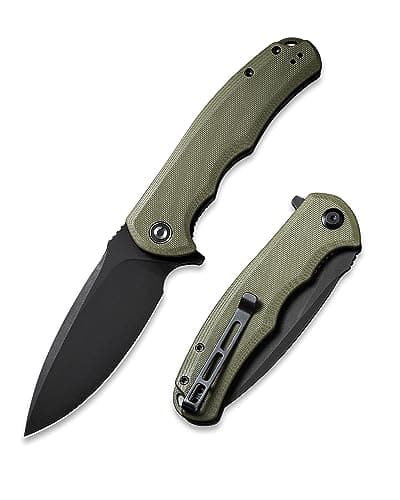
CIVIVI Praxis C803F
3.75 in blade9Cr18MoV steelLiner lockG-10 handle
7.8/10
The pick I would give someone who asked for one good knife and did not want to spend $200 to get it.
Edge retention
6
Lock security
7
Carry weight
7
Sharpening ease
9
Value
10
What's good
+Bearing-mounted pivot flips open more smoothly than knives at four times the price
+9Cr18MoV is easy to sharpen on basic stones and resists rust well
+G-10 scales and a deep-carry clip, both usually reserved for higher tiers
+A genuinely large blade at a price where blades are usually small
What's not
−Edge retention is a clear step below S30V — expect to touch it up more often
−3.75 inches of blade is over the legal carry limit in some cities; check yours
−Liner locks wear over years in a way frame and compression locks do not
Skip it if…
…you sharpen once a year and want it to still be shaving-sharp. Softer steel is the trade you are making for the price.
This is counterintuitive and it is the right call. A first knife should be cheap enough that losing it costs nothing and you learn what you actually want — blade length, handle size, whether you like a thumb stud or a hole. Almost nobody's second knife is the same shape as their first.
2. The light, and this is where the money goes
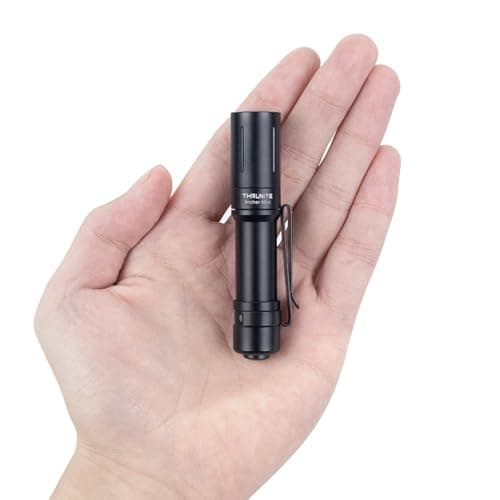
A good pocket light is the single most-used item in most people's carry and the one where cheap options fail hardest. The failure is not brightness — it is a charging port full of lint, a cell that will not hold charge, or a claimed 2,000 lumens that lasts ninety seconds. Buy from a maker who publishes a runtime chart.
3. The multitool, sized to where it will live
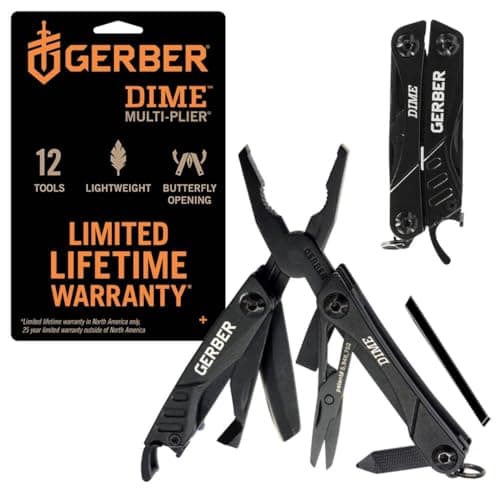
If it goes on a belt, buy a full-size tool with locking implements. If it goes on a keyring, buy the keyring tool and accept that the pliers are small. What does not work is buying a belt-size tool and intending to pocket it — that one ends in a drawer within a month.
4. The wallet, which is really a cull
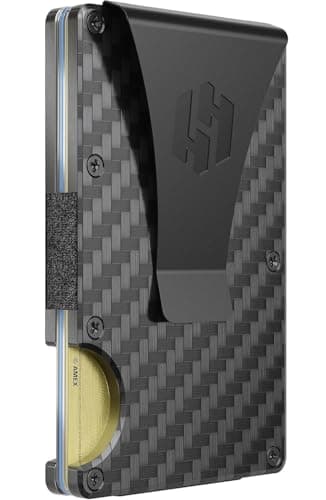
Switching to a minimalist wallet is only half a purchase; the other half is deciding which six cards you actually use. Buying a slim wallet and then buying a bigger slim wallet because your cards did not fit is the most common failure in this category.
5. The organizer, last and optional
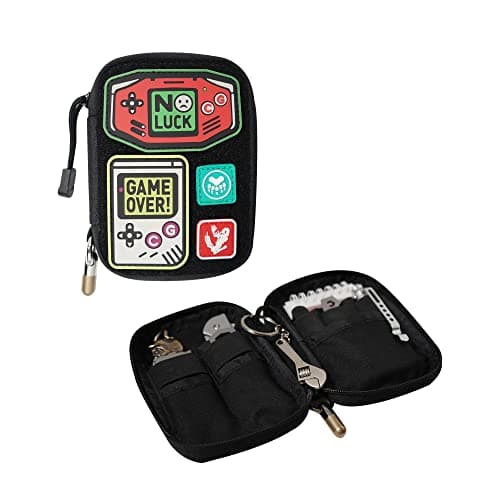
A pouch does not solve a carry problem, it solves a bag problem. If everything already lives in your pockets, skip it entirely. If your kit lives in a pack, it stops a knife and a light grinding against each other for a year.
How these were picked
I haven't handled these. Here's what I did instead.
Everyone in this category says they tested twenty of these. I haven't tested any, and I say so. What I do instead: read the manufacturer's manual and published specification, compile the numbers that decide the purchase, do the arithmetic in the open, check the live price, and name one product to skip. The scores above are judgments from that research against a published rubric — they are not measurements I took, because I do not have a lab and I am not going to pretend otherwise.
Questions
Frequently asked
What should a beginner's EDC be?+
A sub-$30 plain-edge folder, a USB-C rechargeable pocket light, and whatever wallet you already own. Carry that for two months and you will know precisely what you want to upgrade, which is knowledge you cannot buy up front.
Do I need both a knife and a multitool?+
Only if you regularly need pliers — that is the honest test. Every other tool on a multitool is a worse version of a dedicated one, but a pair of pliers in your pocket has no substitute at all.
Is EDC gear worth the money?+
The knife and the light are, on frequency of use alone. The rest depends entirely on your day. Buying a full loadout before you know which pieces you reach for is how the hobby becomes expensive.
What EDC items are not allowed on a plane?+
Any blade, in carry-on, at any length — which rules out a folder and a full multitool. Bladeless multitools and flashlights are generally permitted in the cabin. Confirm current TSA rules before flying; they change.
We do not run a testing lab and we do not pretend to. Where a measured number came from a manufacturer's published specification or someone else's lab, we name them and link them. Where we could not verify something, we say so on the page rather than quietly leaving it out. Read the full method.