EDC stands for everyday carry, and it means exactly what it says: the items you have on your person every day. Your keys are EDC. Your phone is EDC. The term came out of online gear communities in the 2000s and now mostly refers to the deliberate version — the things you chose to carry rather than the things that accumulated.
There is a useful idea underneath the hobby, and it is worth separating from the photographs. The idea is that a handful of small tools resolve a surprising share of daily friction: opening packages, cutting a zip tie, seeing into a dark footwell, tightening a loose screw on a pair of glasses. Carrying three well-chosen items means those stop being problems.
The hobby is the part where people buy a fourth titanium pry bar. That is fine as a hobby and it is not what this page is about.
What actually belongs in an everyday carry
The three that earn their place
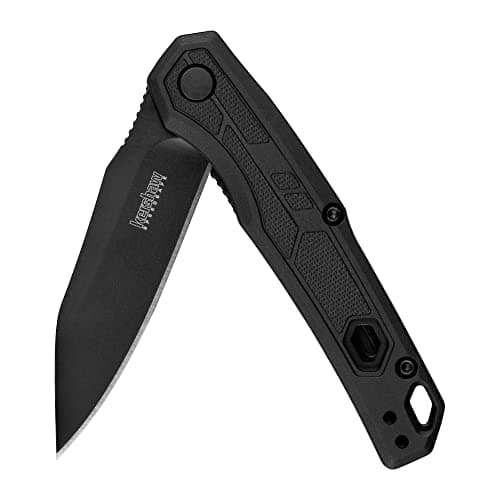
A knife. The single most useful tool by frequency of use. A small plain-edge folder handles packaging, cordage, food and a hundred small jobs. Check your local blade-length law before you carry.
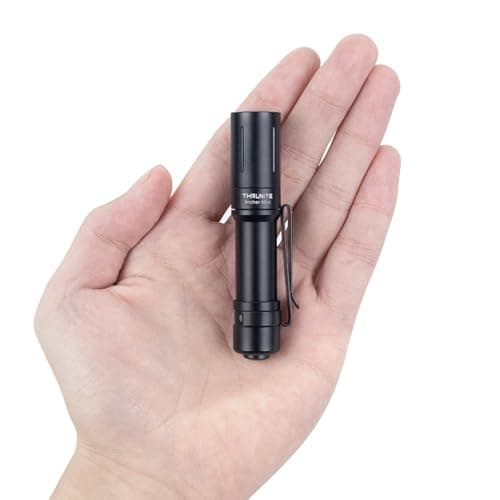
A light. Phone flashlights are adequate and awkward — they occupy the hand you need and drain the battery you may want later. A pocket light is small, aims properly and has its own cell.
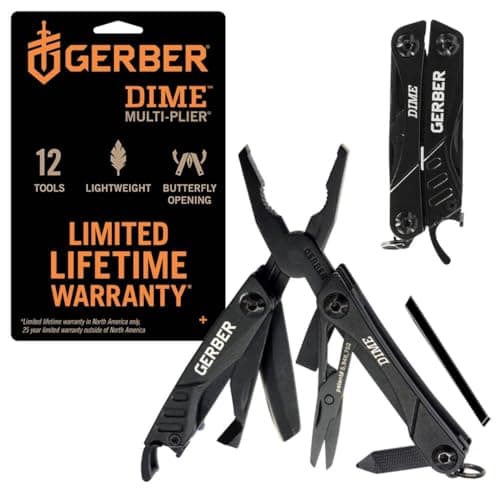
A multitool, if you need pliers. That is the honest qualifier. If you never need pliers, a multitool duplicates your knife at four times the weight.
The two that improve daily life without being tools
A slim wallet, which fixes an actual physical discomfort most people have stopped noticing, and a small organizer if your kit lives in a bag rather than in pockets.
What the hobby adds that most people do not need
Pry bars, titanium pens, fidget items, tactical watches, standalone bottle openers, ceramic bearings, and second and third knives. None of these are bad objects. All of them solve problems you can name roughly once a year, and buying them before you have carried the basics for a while is how the hobby becomes expensive.
How to actually start
- Buy a $20 to $30 plain-edge folder from a company with a warranty.
- Buy a USB-C rechargeable pocket light from a maker who publishes runtime figures.
- Carry both for two months.
- Notice what you reach for and what annoys you. That is the information you cannot get any other way, and it is what should drive your second purchase.
Almost nobody's second knife is the same shape as their first, which is the entire argument for starting cheap.
A note on legality
Blade length limits, assisted and automatic opening, and concealed carry of a knife are all regulated at state and often municipal level, and the rules vary more than people expect. The American Knife & Tool Institute publishes state summaries. Check before you carry, not after.
How these were picked
I haven't handled these. Here's what I did instead.
Everyone in this category says they tested twenty of these. I haven't tested any, and I say so. What I do instead: read the manufacturer's manual and published specification, compile the numbers that decide the purchase, do the arithmetic in the open, check the live price, and name one product to skip. The scores above are judgments from that research against a published rubric — they are not measurements I took, because I do not have a lab and I am not going to pretend otherwise.