Short, quiet and entirely FDE. The interesting part of this rifle is not the barrel length — it is the gas block, and here is why that is the piece that makes a suppressed gun work.
We earn a commission when you buy through our Amazon links, at no extra cost to you. It never changes the order of the picks, and we say so when the cheaper thing is the better buy. How this works.
This one is the opposite of the SPR in almost every respect. Ten and a bit inches of barrel, a collapsible stock, no bipod, and a can on the front. It exists to be short and quiet, and every decision on it serves one of those two things.
The legal facts, plainly. This is a lawfully registered short-barreled rifle and the suppressor on it is legally owned and registered to me. Both are National Firearms Act items. In practical terms: a Form 1 is the application you file to make an NFA item yourself — the route for turning a rifle you own into a registered SBR. A Form 4 is the application to transfer an existing NFA item to you from a dealer, which is how a suppressor is bought. Both are approved before the item is made or picked up, and both carry a tax stamp.
That is the whole of what this page says about the law, and it is not legal advice. State law varies enormously and some states prohibit these items outright. Know your own state law and confirm it with a dealer before you plan anything. There are no suppressor links on this site — they cannot be sold this way, and we do not pretend otherwise.
Nothing on this page sells you a gun or a gun part. Receivers, barrels, bolt carrier groups, triggers, gas blocks, suppressors and magazines are not sold on Amazon, this site monetizes through Amazon, and a buy button next to any of them would point somewhere that cannot sell you one. Those rows link to the vendor I used, unmonetized. The only things here anyone is paid for are the accessories — optics, mounts, furniture — and they are marked as such.
The gun as it sits, suppressor mounted. Everything but the optic body, the charging handle and the small parts is FDE — which was a deliberate choice, and one I will defend below.
The parts
What I paid
Part
Where I bought it
$195
Aero M4E1 Enhanced Upper Receiver Assembly with barrel nut, FDE
These are historical prices — what these parts cost me when I bought them, not what they cost today. None of the vendor links above is an affiliate link and we earn nothing if you use one; they are here because "where I actually bought it" is the useful part.
The total above is the rifle only. The suppressor and the tax stamps are not in it — those are a separate purchase on a separate timeline, and putting a number on them here would imply a comparability that does not exist.
Why 300 Blackout for a suppressed short gun
The cartridge and the mission fit each other unusually well, and it comes down to one thing: subsonic ammunition.
A suppressor deals with the muzzle blast. It cannot do anything about the crack a bullet makes when it goes supersonic — that noise is made downrange, out in front of the can, by the bullet itself. Which means a suppressed rifle firing supersonic ammunition is quieter, but it is not quiet.
300 Blackout was designed around heavy subsonic bullets in a case that still cycles an AR. Feed it subsonic ammunition and there is no supersonic crack to suppress, and the combination becomes genuinely, remarkably quiet in a way a suppressed 5.56 rifle is not. That is the entire reason this rifle is chambered the way it is.
The second reason is barrel length. 5.56 gives up a lot of its performance out of a short barrel because it needs length to burn its powder. 300 Blackout was designed to reach full performance from a short barrel — which is why a 10.3-inch 300 BLK is a sensible gun and a 10.3-inch 5.56 is a compromise.
The gas block is the part that matters
If you take one thing from this page, take this one. The Superlative Arms adjustable bleed-off gas block is ninety-nine dollars of the build and it is the piece that makes a suppressed rifle behave.
What over-gassing actually is
An AR is a gas gun: it taps a portion of the propellant gas from the barrel and uses it to cycle the action. A suppressor raises back-pressure in the system, which means more gas, harder, comes back into the action than the rifle was set up for.
The symptoms are all familiar and all annoying:
Gas in your face. The excess has to go somewhere and a lot of it comes back out of the charging handle at your eye.
Violent ejection and battered brass. The bolt is being driven harder than it needs to be.
Increased felt recoil on a gun you built specifically to be pleasant.
Accelerated wear. Everything in the cycle is being hit harder, every shot.
Bleed-off versus restriction
Most adjustable gas blocks work by restricting the gas — a set screw partly blocks the port so less gas gets through. That works, and the trade is that the restriction point sits in a high-pressure gas path where carbon fouls it and it needs periodic attention.
Superlative's design instead bleeds off the excess: the gas port stays fully open and the surplus is vented out of the block rather than being throttled on its way in. The practical differences are that the adjustment fouls far less, and that the venting takes gas away from the system rather than backing it up.
What that gets you on a suppressed gun is the ability to tune the rifle to run properly with the can on, instead of accepting whatever the fixed gas port gives you. It is the single highest-value hundred dollars on this build, and it is invisible in a photograph, which is presumably why so few people talk about it.
From above, where the proportions read properly: the suppressor is roughly as long as the barrel it is attached to. That is normal on a gun this short and it is worth expecting.
The FDE thing
Yes, all of it. Upper, lower, handguard, stock, grip, handstop, rail cover — Aero and Magpul both offer full FDE lines, and buying into one of them across a whole build means the parts actually match rather than being four different shades of tan that look wrong together.
That is the practical case, and it is real: mismatched Cerakote and polymer FDE from different manufacturers rarely agree. The honest case is that I wanted it to look like this. It costs nothing in performance and it is my rifle.
The same trigger in both rifles, on purpose
The LE145 is in this gun and in the SPR. That is not laziness, it is the point.
A trigger is an interface, and interfaces are worth standardizing. Two rifles that break at the same weight, with the same take-up and the same reset, means the muscle memory built on one transfers directly to the other. Whichever gun I pick up, the trigger does what I expect it to do, and I am not spending the first magazine recalibrating.
It is the cheapest consistency you can buy across a collection, and it is worth more than another hundred dollars of trigger on one of them.
The money
$1,396 for the rifle. Note what the shape of that list says: the barrel package was $198 and the gas block was $99 — the two parts that determine whether the gun runs correctly suppressed cost less than the optic. That is unusual and it is a fair reflection of where the value sits on a short suppressed gun. You are not buying accuracy at distance here; you are buying a system that cycles properly with a can on it.
The optic is the OPMOD variant of the Strike Eagle 1-8x, an OpticsPlanet-exclusive version of the same scope. The picks below are the standard SE-1824-2 that Amazon carries, because the OPMOD is not sold there and I am not going to pretend a different SKU is the same listing.
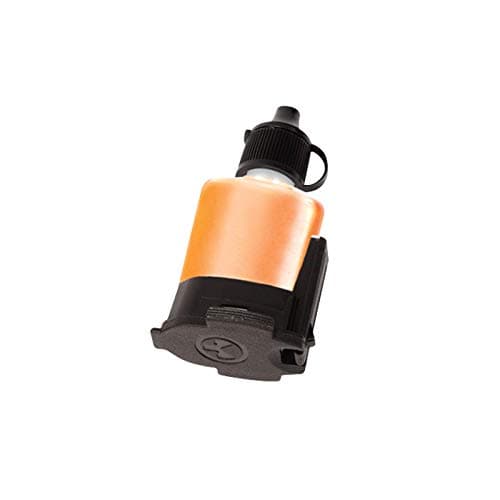
A half-ounce oil bottle that lives in the hollow of the pistol grip you already own. Fifteen dollars to never be the guy at a match with a dry bolt and no oil.
#ad · Live prices from the Amazon Creators API, as of October 19, 2026. Where we have no verified live price we show none — a gap beats a number that has rotted.
In detail
The picks, in full
01
No image
Best overall
Vortex Strike Eagle 1-8x24 (BDC3 MOA)
I run this one
The scope on this rifle. He paid $415 for the SE-1824-2 with a mount; the scope alone is what is priced here.
1/2 oz bottleFits MIAD and MOE gripsSealed coreBlack
8.0/10
A half-ounce oil bottle that lives in the hollow of the pistol grip you already own. Fifteen dollars to never be the guy at a match with a dry bolt and no oil.
Usefulness
8
Fit
8
Build quality
7
Value
9
What's good
+Uses dead space that is otherwise doing nothing
+The oil is on the rifle, which is where you need it, rather than in a bag at the truck
+Drops in without tools beyond the grip screw
What's not
−Only fits Magpul MIAD and MOE grips
−Half an ounce is a top-up, not a service
Skip it if…
…you run a different grip. There is nothing clever here that transfers — it is a shaped plug for a specific hollow.
Sort the legal side first. The paperwork timeline drives everything else, and buying parts for a configuration your state does not allow is an expensive way to learn. Confirm with a dealer.
Budget the gas block as a real line item. On a suppressed gun it is not an upgrade, it is a functional requirement. Fixed gas blocks and suppressors are a bad marriage.
Buy the barrel before the gas block. Journal diameter and gas port position are barrel-specific.
Expect subsonic ammunition to cost more. The cartridge's whole advantage lives in ammunition that is neither cheap nor as widely stocked as 5.56.
Match your FDE within a brand where you can. Cerakote FDE and polymer FDE from different makers frequently do not agree.
What of this is on Amazon
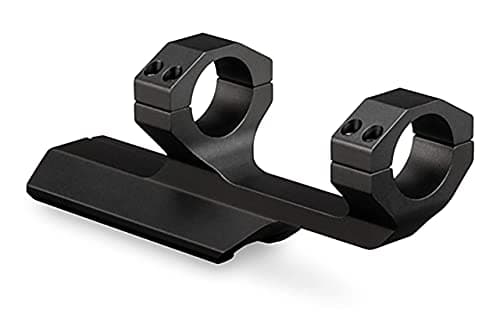
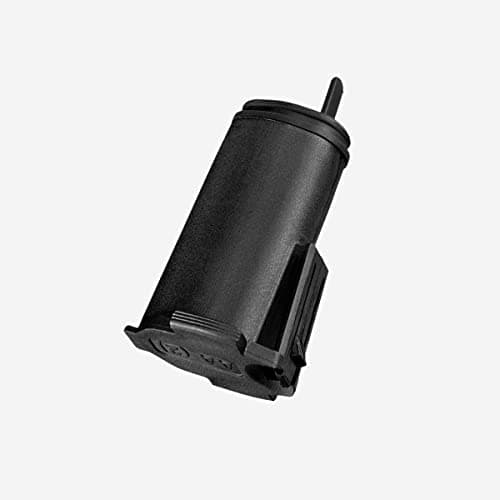
Less than on the SPR page. The picks above are the optic, a cantilever mount and the grip cores. Live searches came back empty for the MOE SL carbine stock, the MOE+ pistol grip, the M-LOK handstop kit and the Type 2 rail covers — every one of those came from Primary Arms, which is where I would send you for them.
The barrel, bolt carrier group, gas block, trigger and suppressor are not linked here and will not be. Ballistic Advantage, Superlative Arms and RISE all sell direct or through dealers; that is the correct channel and the parts tables above name the vendor I actually used for each one.
How these were picked
2 of these are mine. The rest are research, and I say which is which.
Anything carrying the "I run this one" stamp above is gear I actually own and use, and I write about it in those terms. What I do not do is invent numbers to dress that up — there are no group sizes, round counts or chronograph figures on this site, because I did not record them. For everything without the stamp: I read the manufacturer's published specification, compile the numbers that decide the purchase, do the arithmetic in the open, check the live price, and name one product to skip. Those scores are judgments against a published rubric, not measurements I took.
Questions
Frequently asked
Do I need an adjustable gas block if I'm not running a suppressor?+
Need, no. Most unsuppressed ARs run acceptably on a fixed gas block. It becomes close to a requirement the moment a can goes on the front, because the suppressor changes the back-pressure the rifle was set up for and a fixed block has no way to answer that.
Bleed-off or restrictor?+
Both work. Bleed-off keeps the gas port fully open and vents the excess, which fouls far less than a restrictor sitting in the high-pressure path. Restrictors are cheaper and more common. On a suppressed gun that will be shot a lot and cleaned occasionally, I went bleed-off and would again.
Is a 10.3in barrel legal without the NFA paperwork?+
Not as a rifle. A rifle with a barrel under sixteen inches is a short-barreled rifle under federal law and requires registration. This one is registered. Configurations change, states differ, and this page is not legal advice — talk to a dealer in your own state before you buy anything.
How quiet is it really?+
Quieter than you expect with subsonic ammunition and considerably less so with supersonic. I am not going to put a decibel number on it, because I have not metered it and a figure I did not measure is exactly what this site does not publish.
We do not run a testing lab and we do not pretend to. Where a measured number came from a manufacturer's published specification or someone else's lab, we name them and link them. Where we could not verify something, we say so on the page rather than quietly leaving it out. Read the full method.