The rule on this site is simple and it applies here without exception: no firearm is ever listed, priced or linked. Amazon does not sell them, this is an accessories site, and that line does not move for a brand I happen to like. What follows is editorial. What is monetized at the bottom is the range and training gear, and it is disclosed as such.
With that said: I shoot a Staccato, and the 2011 is the platform I care most about in handguns. This is an owner's take rather than a spec comparison, so weigh it accordingly — and note what you will not find on this page, which is a single group size, split time or round count, because I did not write any of them down and I am not going to invent them to sound authoritative.
For context on where it sits in the safe: there is also a Springfield Hellcat, a Rock Island 1911 and a Mossberg 940 in there. None of them is listed, priced or linked anywhere on this site, for the same reason nothing else with a serial number is.
What a 2011 actually is
It is a 1911 with a wide, double-stack magazine and a modular grip module rather than traditional grip panels on a single-stack frame. The trigger, the manual of arms, the single-action operation and the general architecture come straight from the 1911. The capacity and the grip do not.
That combination is the entire pitch, and it is a genuinely good one.
Why they shoot well — the honest mechanical version
The trigger is a different mechanism
A 1911-pattern trigger moves straight back on rails rather than pivoting on a hinge. There is no take-up to speak of, the break is a defined wall, and the reset is short. That is a measurable ergonomic difference, not a preference — and it is why the platform has survived a century of alternatives.
The bore sits low
The 1911's grip angle and slide geometry put the bore axis close to the web of your hand. Less distance between the bore and your grip means less leverage for the muzzle to rise. That is straightforward physics and it is a large part of why these guns track flat.
The weight is in the right place
These are heavier than a polymer striker gun of the same size, and weight is not a flaw in a range or duty pistol. It absorbs recoil rather than transmitting it.
Put those three together and you get a pistol that returns to the same place after each shot with less input from you. That is the entire hype, it is not marketing, and it is the thing you notice in the first magazine rather than after a season of getting used to it.
The honest case against
They are expensive. Substantially more than a competent polymer striker gun, and more than most people should spend on a first handgun.
Weight cuts both ways. Excellent on a range, less excellent inside a waistband for twelve hours a day.
Magazines are not commodity items. Double-stack 1911 magazines are their own thing, and the accessory ecosystem around them is thinner than for the platforms everybody makes gear for. That shows up on the holster page and it shows up in the magazine carrier section of it in particular.
And a trigger does not make you a shooter. A 2011 will show you exactly how much of your group was the gun and how much was you, and for most people the answer is uncomfortable. That is the honest reason the dry-fire gear leads the picks on this page rather than the range cases — it is the thing that actually moved my shooting, and the pistol is the thing that made it obvious it needed moving.
One note on the picks themselves: they are researched rather than owner-run. I shoot the platform; I have not personally used all eight of the cases, timers and training systems below, and where the page ranks them it is doing so from published specifications and the same rubric as everywhere else.
Staccato's lineup, from their own catalog
Staccato's site currently lists two groups. The HD line — HD P4X, HD C4X, HD C3.6, HD P4 and HD P4.5 — and the standard line, which includes the P (their duty model, which their site says is "approved by over 1,600+ agencies" — their claim, on their site, and I have not independently verified the number), the XC with an integrated compensator, the CS and C2 carry models, the four-inch C, and the XL for competition.
Their site does not publish calibers, barrel lengths or weights in the catalog view, and I am not going to fill those in from memory. If you need a specification, their product pages are the source and they are linked below.
What actually improves how you shoot one
This is where the money on this page goes, and I would rank it in this order regardless of what pistol you own.
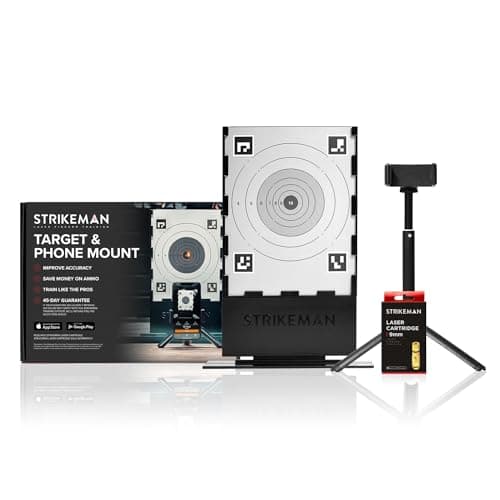
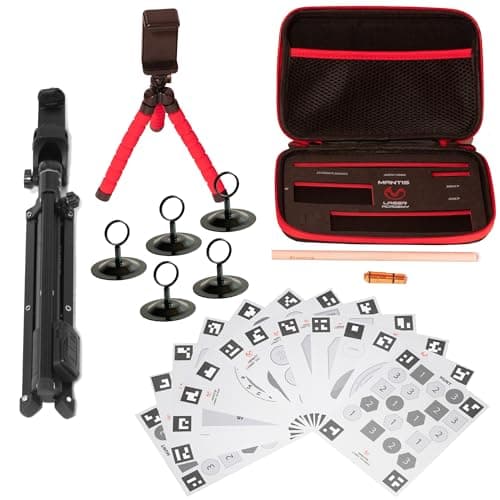
Dry fire, first. A laser training system with scored drills is the single most effective thing you can buy for trigger control, and it costs less than three range trips. The Mantis kit is app-based with no subscription; the Strikeman is the cheaper route. Either beats another accessory.
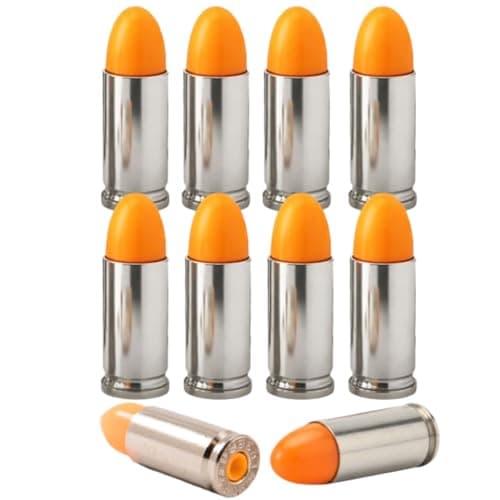
Snap caps, second. Twelve dollars. Load a few at random in a magazine and you will find out in about four rounds whether you flinch. Nothing else diagnoses that as fast.
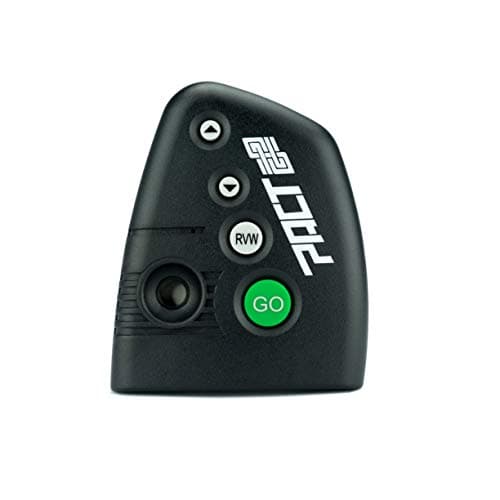
A timer, third. A timer is the only honest record of whether you are getting faster. Everything else is a feeling.
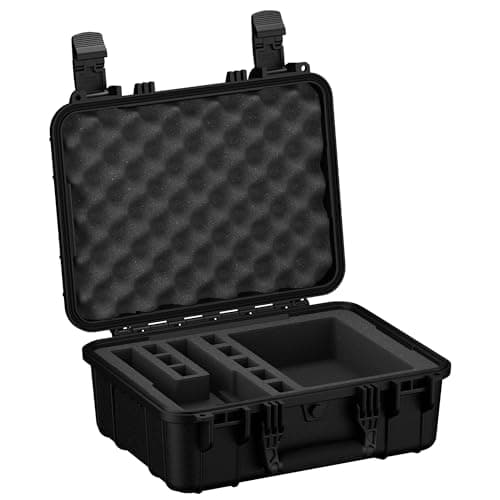
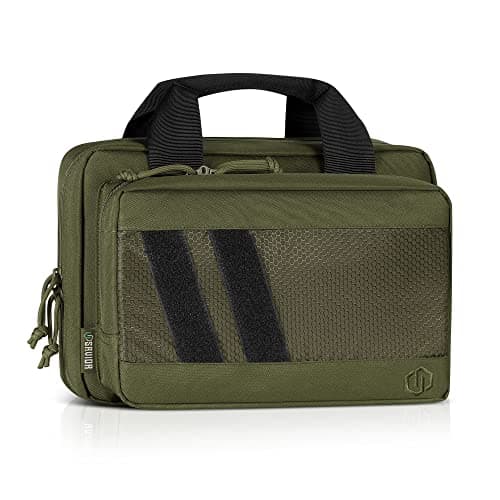
Then the cases. If you shoot a double-stack platform you carry a lot of magazines, and the case that holds eighteen of them is a genuinely different purchase from the one that holds eight.
Building the kit around a 2011
Count your magazines before you buy a case
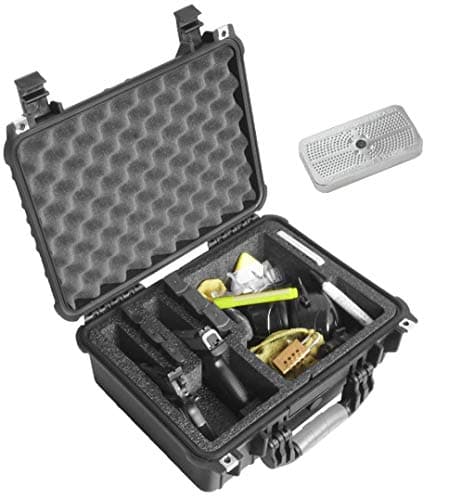
The two hard cases here hold eight and eighteen magazines respectively, and the cheaper one holds more. If you shoot competition or take a training class, the magazine count decides this and nothing else does.
Dry-fire gear only works if it is set up
The systems that get used are the ones that live somewhere you can start in thirty seconds. If setting it up takes ten minutes, it will be used twice. Pick a wall, leave the target there, and treat the phone holder as part of the furniture.
Never mix training rounds and live ammunition
Snap caps and laser cartridges are inert and are exactly the sort of thing that ends up in the wrong magazine. Keep them in a separate labeled container, check every magazine visually, and never dry fire in the same room as loose live ammunition. The orange inserts on the snap caps here exist for this reason.
Optic-ready cases matter if you run a dot
A great many cheap pistol cases are cut for a bare slide and will not close on a mounted red dot. The Savior case here specifies scoped handguns; check that before you buy anything cheaper.
Silica gel is not a gimmick
A sealed waterproof case with a pistol in it is a small humid box. The Case Club pick includes silica gel for exactly that reason, and if your case does not, buy some separately. Rust in a sealed case is a real and entirely preventable problem.