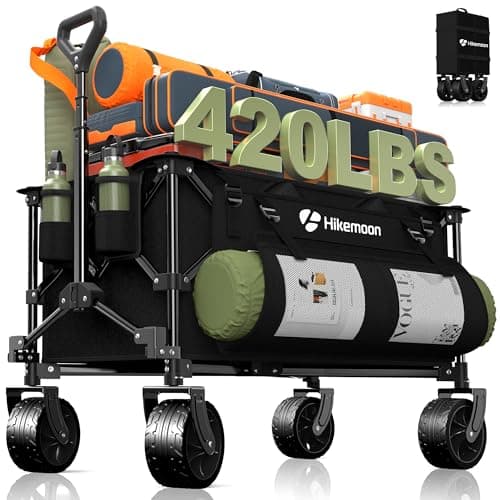
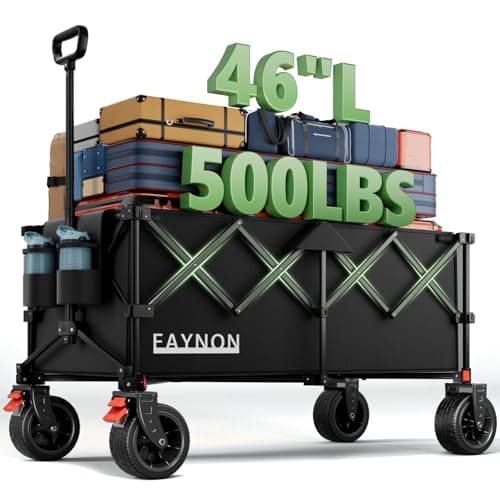
The verdict first: buy the cart by bed length, not by capacity rating. A 500-pound wagon that cannot take a cased shotgun lying flat is the wrong cart, and every capacity number in this category is marketing headroom nobody approaches.
A 3-Gun match is a logistics problem wearing a shooting problem's clothes. You will move between five or six bays over eight hours with three cased firearms, ammunition for all three, a loaded belt, water, food and weather protection. Whether that is pleasant or miserable is decided in the parking lot.
What goes in the cart is a separate page — the match-day gear checklist has the full contents list. This page is about the cart, and about what happens when you get to the bay.
Choosing a cart
Bed length first
Measure your longest cased firearm. If it does not lie flat in the bed, everything rides diagonally or above the rim, and everything above the rim falls out on gravel. That single measurement disqualifies most of the wagons sold for beaches and sports fields.
Wheel diameter second
Bays are connected by gravel, grass, hose lines and cable protectors. Large-diameter wheels roll over all four; small casters stop at every one of them. This is the same lesson as hunting carts, for exactly the same reason.
Fold size third
The best cart is the one that fits in the vehicle you actually drive. A purpose-built gun cart is better at the job and worse at going home, which is why collapsible wagons dominate club matches.
What about a dedicated gun cart?
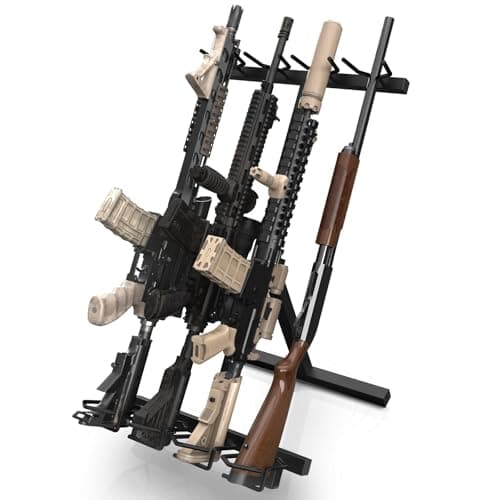
They exist, they are excellent, and they cost several times a wagon. If you shoot a match every weekend and have somewhere to store one, buy one. If you shoot six matches a year, a long-bed wagon plus a folding rack does the same job for a fifth of the money.
Staging at the bay
Follow the local rules first, always
Clubs differ on whether long guns may be racked uncased, where they may be staged and who may handle them. The range rules and the match brief override every convenience argument on this page. Ask at the safety briefing rather than assuming.
Muzzles up, actions open, in a rack
Where a rack is permitted, it is the safest and clearest way to stage long guns: muzzles in a known direction, actions visibly open, nothing leaning against a barrel or lying in the dirt. It is also the arrangement that makes a range officer relax when they walk past.
One tote, standing open
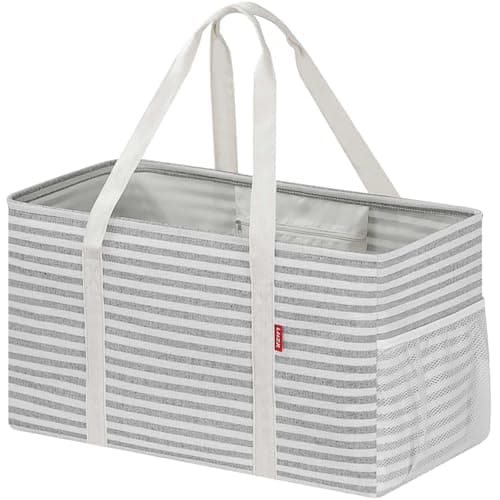
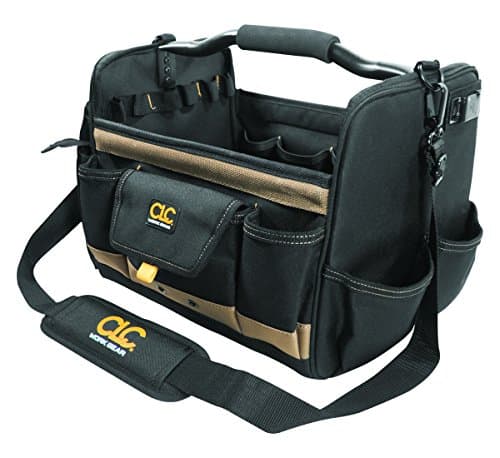
The gear you need at every stage — timer, eye and ear protection, tape, staple gun, spare batteries — goes in one open-topped tote that lifts out of the cart complete. Digging through a closed bag on the clock is a self-inflicted problem.
Sit down, drink water, get out of the sun
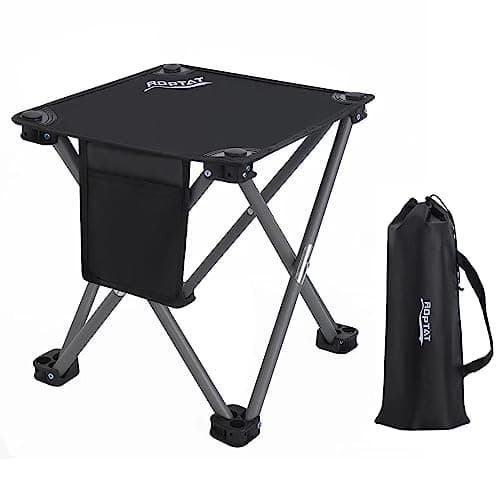
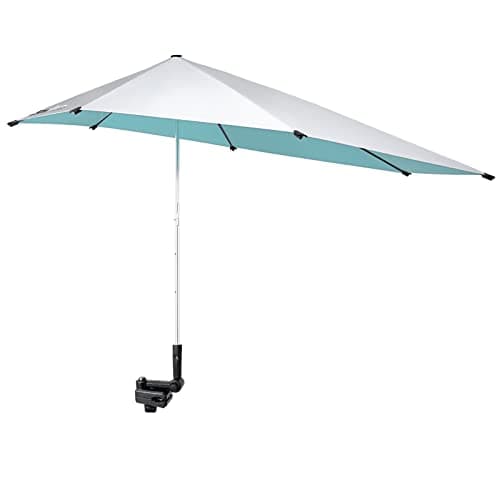
You will shoot for about four minutes across an eight-hour day. The other seven hours and fifty-six minutes decide how well you shoot the last stage. A fifteen-dollar stool and a clamp-on umbrella are performance equipment on a summer match, and everybody works that out eventually.
The dump pouch
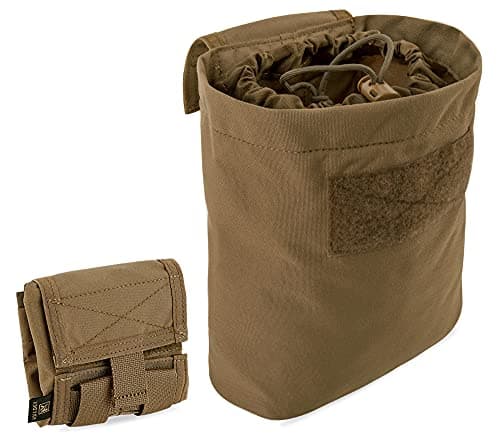
Where empty magazines go when the stage is still running. Retained reloads happen, and the alternative to a dump pouch is magazines in the gravel — which is a cleaning job at best and a damaged feed lip at worst. The belt itself is covered on competition belts and holsters.
Loading the cart, in order
- Cased long guns flat on the bottom, muzzles all the same direction.
- Ammunition next, low and centered — it is the heaviest thing and it wants to be over the axle.
- The tote on top, standing open, where you can reach it without unpacking.
- Stool, umbrella and rack down the sides, where they are not under anything.
Load it the same way every time. On a long day you will be finding things by feel, and a consistent pack is the difference between reaching for tape and searching for it.