The point of a stage plan is to stop thinking. Every decision you make after the buzzer costs time and invites error. A plan converts a stage from a problem you solve under pressure into a sequence you execute, and that is worth more than any equipment on this site.
The gear on this page is modest on purpose: a timer, a notebook, some reduced-scale targets. Stage planning is a thinking skill. What you buy for it are the four things that let you test whether your thinking was right.
1. Read the written stage briefing first
Before you look at the array, read the brief. Start position, condition of the firearms, scoring method, mandatory reloads, procedural rules and any stage-specific conditions live there, and every one of them can invalidate a plan you built by eye.
The rules that govern all of this come from the match's governing body — for multigun that is usually USPSA — and the specific brief for the stage. Read both; the brief wins where it is more restrictive.
2. Count the rounds, per array, in writing
Not the stage total. The count for each array of targets, written down. Round count per array is what determines where a reload has to happen, and "I'll work it out" is how people run a gun dry in the open.
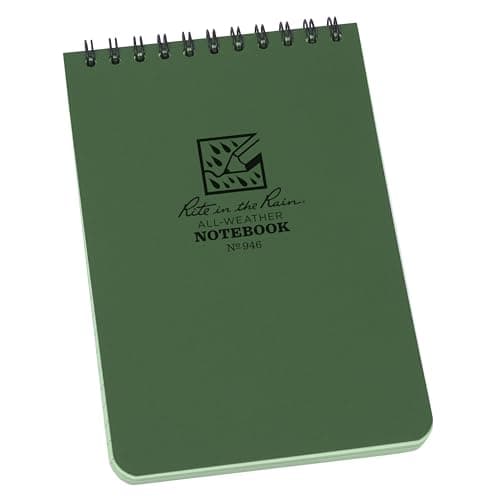
Write the count with the target order. Two numbers per array — how many targets, how many rounds — is enough, and it fits on one line of a pocket notebook.
3. Choose reload points before you choose anything else
A reload during movement is free time. A reload standing still is time you paid for. So plan the movement first, then place the reloads inside it.
- Reload while walking to the next position, never on arrival.
- If the stage forces a standing reload, do it where you have cover or where the array you just cleared cannot penalize you.
- Plan a spare. If a round goes somewhere unintended, know in advance where you will make it up rather than deciding at speed.
4. Plan the transitions, not the shooting
You already know how to shoot a target. What you do not know is which target you are going to next, and the pause between targets is where the seconds actually go.
Walk the stage naming targets out loud in the order you will engage them, and do it until the order comes without thinking. That verbalized sequence is the plan — the rest is shooting.
The same principle applies to the gun order in a multigun stage, and the transitions between guns are where more time is lost than anywhere else. Where you stage the second gun, and whether it is loaded and made safe as the brief requires, is part of the plan and not an afterthought.
5. Rehearse it, then rehearse it again
Walk it. Then walk it with your hands doing what they will do. Then stand still and run it in your head with your eyes closed. Three passes is not excessive — it is roughly the minimum for a plan to survive a buzzer.
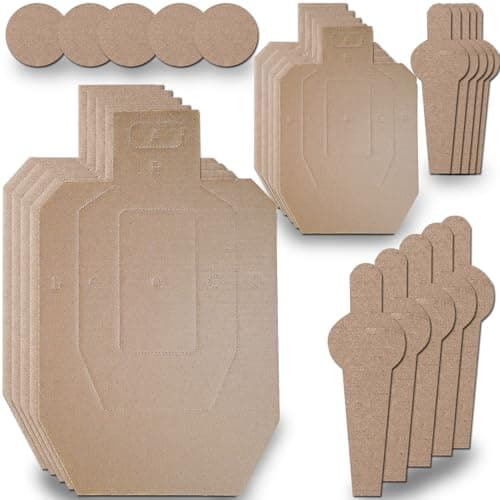
At home, reduced-scale targets on a garage wall let you rehearse target order and transitions at realistic apparent angles. It does not rehearse the movement, and it does rehearse the part your eyes do.
6. The plan you can execute beats the plan that is faster
The most common mistake in stage planning is adopting a plan you watched a better shooter describe. If a plan requires a reload you have never made under time, it is not your plan.
This is what the timer is for. Rehearse the segment you are unsure about against a par time at home, and find out whether your plan is a plan or an aspiration.
What to buy for this, and what not to
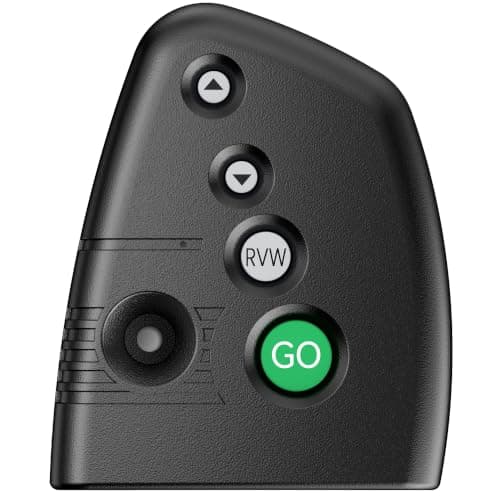
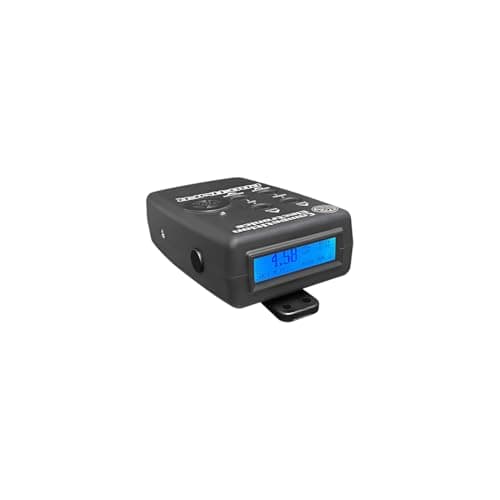
The timer is the only real purchase
Everything else here is under twenty dollars. A timer is what turns "I think this is faster" into a number, and it is the only tool that will tell you your plan is wrong before the match does.
If you already own one for practice — the roundup for that is shot timers and dry fire gear — you do not need a second. The difference in this use is the job, not the device.
Buy the notebook. Everyone forgets the notebook
You walk the stage once and shoot it an hour later. Round counts, target order and the two things you noticed about the footing will be gone by then. Ten dollars of weatherproof paper is the highest return per dollar on this page.
Skip the multi-packs
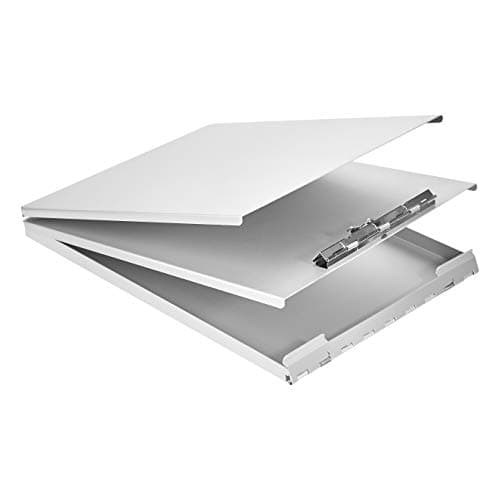
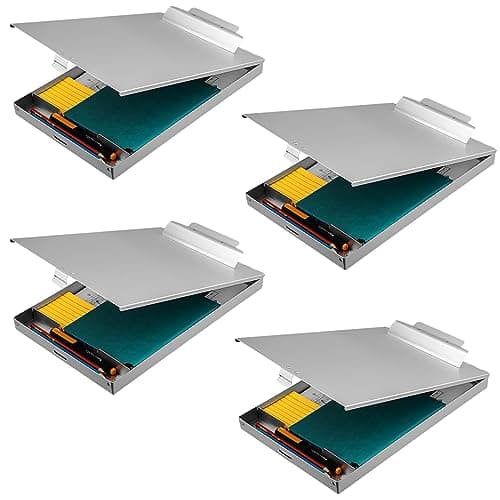
Clipboards, in particular, are sold in fours to shooters who need one. Buy the single, spend the difference on match fees, and shoot more stages — that is the actual improvement path.
What none of this replaces
Squadding with better shooters and watching how they walk a stage. It is free, it is the fastest way to learn stage planning, and no purchase substitutes for it. The getting-started side of that is on 3-Gun getting started.