Three guns, one clock, and a sport that looks far more expensive and far more exclusive than it is. Here is what actually happens on match day, and the short list of things you have to own before a club will let you shoot.
We earn a commission when you buy through our Amazon links, at no extra cost to you. It never changes the order of the picks, and we say so when the cheaper thing is the better buy. How this works.
Nobody at a club match cares what you brought. That is the first thing worth knowing, and it is the opposite of what the internet suggests. The sport photographs as a wall of expensive rifles and it recruits like a neighborhood softball league — somebody notices you standing at the edge of the bay looking uncertain, and forty seconds later you are being told where to put your bag.
This page is the orientation I wish somebody had written for me: what a match physically consists of, how the divisions sort people so you are not scored against a race gun, what it genuinely costs to show up, and where the matches are. The gear pages that hang off this one go into each category properly. This one is about turning up.
Staging behind a bay at a local match. Long guns go in the rack, bags go on the ground, and everything is unloaded with the actions open — this is the part of the day that determines whether you look like you have been here before.
What a match actually looks like
A 3-Gun match is a set of stages — usually four to six at a club-level match, spread across separate bays. You are put in a squad of perhaps eight to twelve shooters, and the squad walks the whole match together, one stage at a time. You will shoot for maybe two minutes across an entire day and spend the rest of it taping targets, resetting steel, watching people better than you, and talking.
At each stage the sequence is always the same:
The walkthrough. Everybody reads the written stage briefing, then walks the stage without a gun, working out an order and a movement plan. Ask the questions here. Every single person on that squad has been the new one.
Make ready. You step to the start position, load under the Range Officer's direction, and take your ready stance. Guns you are not starting with are staged where the briefing says they are staged.
The beep. Everything is timed from the buzzer. You shoot the stage, you transition between guns where the stage demands it, and the RO stays at your shoulder with the timer the whole way.
Unload and show clear. The most important eight seconds of your day. You clear the gun, the RO confirms it is empty, and the range goes cold.
Score and reset. Hits are scored, the squad tapes and resets, and the next shooter goes.
The current USPSA Rifle, Shotgun and Multigun rulebook formalizes all of that, and it is worth actually reading before your first match rather than after. It carries dedicated sections for the long gun bagging and staging area, the shotgun preload area, the safety areas, and the unloading and loading station — those are not incidental details, they are where new shooters get disqualified.
Between shooters. Most of a match day looks like this rather than like the highlight reel: a squad walking a bay, resetting steel and taping cardboard.
How the divisions work
Divisions exist so that you are scored against people with comparable equipment, not against somebody running an optic on every gun and a compensated race rifle. The current USPSA multigun rulebook defines six equipment divisions in its Appendix D:
Open — the fewest equipment restrictions. This is where the money goes.
Tactical — the mainstream division and the one most club shooters land in. At many non-USPSA clubs the same idea runs under the name "Tac Ops" or "Practical".
Limited — tighter equipment rules again.
Heavy Metal Tactical — the larger-caliber division, with optics.
Heavy Metal Limited — the same weight class, more restricted.
Modified — the sixth, sitting between the others on equipment.
What I am not going to do is publish the specific equipment limits for each division from memory. They are the exact thing that changes between editions — the rulebook linked above carries a published change log for precisely that reason, and Appendix D lists fifteen or sixteen specifications per division. Read the appendix for the division you intend to shoot, in the current edition, and do it before you buy anything that a division rule could invalidate. A holster position or a magazine that bumps you out of Tactical is a genuinely annoying way to learn this.
One structural thing worth knowing: multigun matches are scored either by traditional hit factor or by time-plus, and the rulebook covers both. Which one your club runs changes how you should shoot a stage — hit factor rewards balancing speed against points, time-plus turns misses into a straight time penalty. Ask which one is in use.
Orgs, formats and the tactical-games end of it
"3-Gun" is a family of formats rather than one governing body. USPSA runs the rulebook most clubs either use directly or borrow from. Beyond that there are independent club series, regional matches, and a whole adjacent category best described as tactical games: rifle-and-pistol stages layered onto physical work, generally shot in a plate carrier, with the fitness component as much of the challenge as the shooting.
The equipment overlap between the two is large but not total. The belt, the eye and ear protection, the optic and the mag retention all carry across. What changes is where the gear lives — a competition belt on one side, a plate carrier and a chest-mounted load on the other — and how much of the day you spend moving under load.
On the clock, with the RO at the shooter's shoulder running the timer. The two minutes a day that everything else is in service of.
What it actually costs to start
The honest answer is that the guns are the expensive part and you very probably already own workable versions of all three. Nearly every new competitor arrives with a general purpose AR, a pump or semi-auto shotgun that was bought for birds, and whatever pistol they already carry. That combination will get you through a club match perfectly well and it will not be the reason you finish where you finish.
What you do have to add is the gear that makes you legal, safe and able to reload:
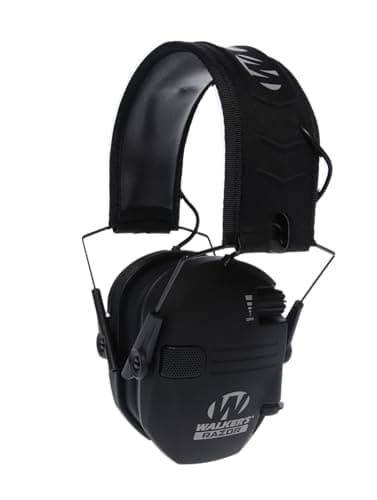
Eye and ear protection that meets the rules and clears your stock. Non-negotiable, and the section on it is in the rulebook. See eye and ear protection for competition.
The five items ranked below are the cheapest legitimate version of that list — deliberately not the best ones. The point of a first kit is to find out whether you like the sport, and every one of these is ranked properly on its own category page alongside the better options you will want later.
Ammunition is the running cost people forget. A 3-Gun stage eats rifle, shotgun and pistol ammunition simultaneously, and a match day will use meaningfully more of all three than a normal range trip. Budget for it before you budget for gear.
How to find a match
PractiScore is where most of this sport actually lives. It handles match registration, online squadding and published results, and its upcoming-matches and club listings are the single most useful place to look for something near you.
Then email the match director. Say it is your first match and ask what you need. Every club I have dealt with answers that email, and several will pair you with somebody on a squad.
Go and watch one first if you can. An afternoon standing at the back of a bay tells you more about what to buy than any amount of reading, including this page.
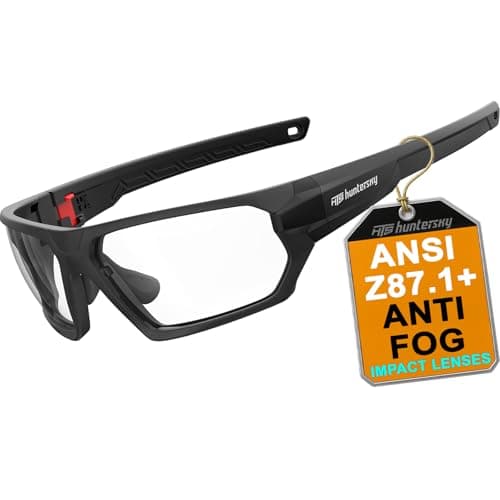
It states ANSI Z87.1+ on the listing, which is the one specification that separates eye protection from sunglasses — and most shooting glasses do not state it at all.
#ad · Live prices from the Amazon Creators API, as of October 19, 2026. Where we have no verified live price we show none — a gap beats a number that has rotted.
In detail
The picks, in full
01
Best first belt
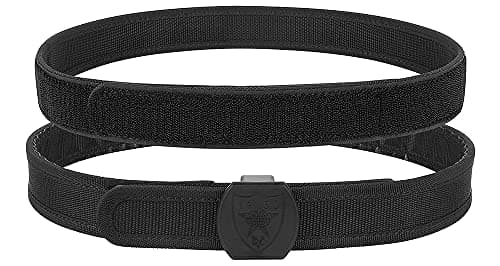
KRYDEX Inner & Outer Competition Belt
Inner + outer belt1.5 in widthSized by waist rangeNylon
7.2/10
Twenty-odd dollars for a real two-piece belt — the right way to find out whether you like the sport before spending three times as much.
Stiffness
5
Build quality
6
Adjustability
8
Comfort
7
Value
10
What's good
+Correct two-piece architecture at an entry price
+Cheap enough that outgrowing it costs nothing
+Sized by actual waist range rather than shirt sizes
What's not
−Softer than the premium belts — a fully loaded rig will flex it
−Stitching is the part that gives first
Skip it if…
…you already know you are committed. Buy stiffness once instead of twice; a flexing belt lets the holster move and that costs you draw consistency.
It states ANSI Z87.1+ on the listing, which is the one specification that separates eye protection from sunglasses — and most shooting glasses do not state it at all.
Impact protection
9
Coverage
8
Fit security
7
Optical clarity
8
Value
8
What's good
+A stated Z87.1+ rating means a documented high-velocity impact test rather than a marketing word
+Clear lens is the correct default — you shoot at whatever light the squad reaches
+Anti-fog coating matters when you are breathing hard behind a barricade
What's not
−Frame styling is bulkier than the sport-cut options
−Anti-fog coatings wear with cleaning
Skip it if…
…you want a light sport frame. This trades style for a stated rating, which is the correct trade and still a trade.
If you take one thing away: show up with what you own. The gear that makes a difference to a new shooter, in order, is a belt stiff enough to hold a loaded rig, ear protection that does not get knocked off the seal by your own stock, and a way to carry shotgun shells. Everything else can wait until you know which division you want to shoot.
The order I would buy in
Eye and ear protection. You cannot shoot without them and they are the cheapest.
A belt, inner and outer. Everything else hangs off this.
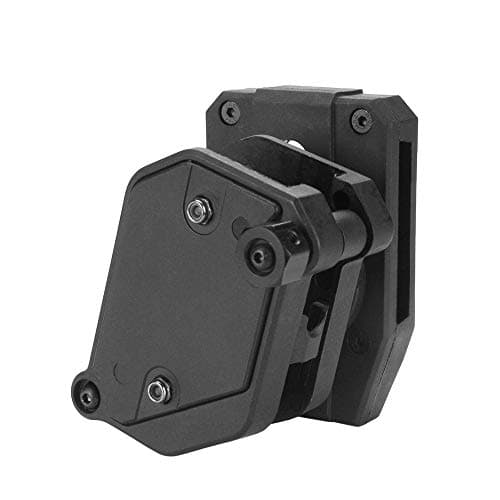
Mag pouches — pistol first, rifle second.
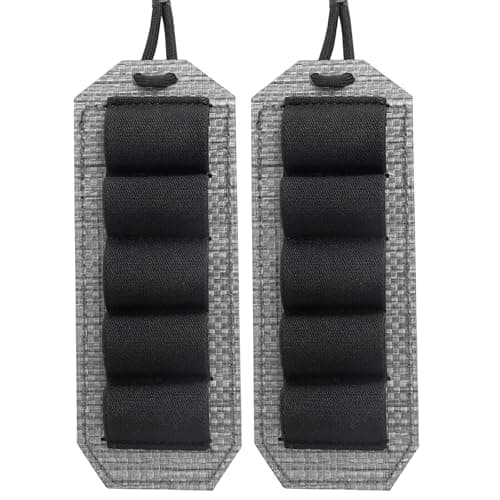
A shell caddy, once you know how you want to load.
A cart or a bag that actually carries a match load.
Optics last. The rifle you already own probably shoots better than you do for the first season, and an LPVO is a considered purchase, not a first one.
Three things that will save you a DQ
Muzzle direction, always. The rulebook's disqualification chapter is mostly about where guns were pointing. Nobody minds a slow run. Everybody minds a sweep.
Finger off the trigger during movement. The second-most common way to end a day early.
Only handle guns in a designated safety area, and never with ammunition in hand there. The rulebook has a whole section on safety areas. Read it.
How these were picked
I haven't handled these. Here's what I did instead.
Everyone in this category says they tested twenty of these. I haven't tested any, and I say so. What I do instead: read the manufacturer's manual and published specification, compile the numbers that decide the purchase, do the arithmetic in the open, check the live price, and name one product to skip. The scores above are judgments from that research against a published rubric — they are not measurements I took, because I do not have a lab and I am not going to pretend otherwise.
Questions
Frequently asked
Do I need three matching competition guns to start?+
No, and you should not buy them. A general-purpose AR, whatever shotgun you already own and your carry pistol will get you through a club match. Buy the belt and the pouches first — those change your day. A new rifle does not, until you are good enough for it to.
Which division should I shoot my first match in?+
Tell the match director what you own and let them tell you. In practice most new shooters land in the mainstream optic-equipped division — Tactical under the USPSA multigun rules, often called Tac Ops or Practical at independent clubs. Check the current Appendix D for the exact equipment limits rather than trusting any summary, including this one.
How much ammunition should I bring?+
Ask the match director for the round count — it is published for most matches, per gun, and it is the only reliable number. Then bring meaningfully more than that. Reshoots, makeup shots and steel that will not fall all cost rounds, and running out at stage five is a miserable way to end a day.
Is 3-Gun the same as the tactical games?+
Related, not the same. Both put rifle and pistol work on a clock. The tactical-games formats add substantial physical work and are usually shot in a plate carrier, so the load moves off a competition belt and onto the rig. Belt, optic, eye and ear protection carry across; how you mount the rest does not.
What is the single most common first-timer mistake?+
Underestimating shotgun reloading. Most stages are lost at the loading port, not on the targets, and most new shooters arrive with no plan for carrying shells at all. Sort that before you spend money on anything optical.
We do not run a testing lab and we do not pretend to. Where a measured number came from a manufacturer's published specification or someone else's lab, we name them and link them. Where we could not verify something, we say so on the page rather than quietly leaving it out. Read the full method.