The single cheapest way to get better at this sport is a beep in your living room. A timer turns a feeling into a number, and a number is the only thing you can actually improve.
We earn a commission when you buy through our Amazon links, at no extra cost to you. It never changes the order of the picks, and we say so when the cheaper thing is the better buy. How this works.
Everybody at a match improves. The people who improve fastest are almost always the people doing structured dry fire at home, and the reason is not mystical: dry fire is the only way most of us get enough repetitions of the draw, the reload and the transition to actually change them.
A shot timer is what makes that practice honest. Without one you practice until it feels fast. With one you find out that the draw that felt fast was three tenths slower than last week because you were tired, and you do it again.
What a timer actually gives you
A random start delay. The unpredictability is the point. Reacting to a signal you did not anticipate is the skill; anticipating one you control is not.
Par times. A second beep at a set interval. Draw and get a sight picture before the second beep, or you did not make the par. This is the single most useful dry-fire feature there is — set it just beyond your comfortable time and work down.
Splits. The interval between shots, which is where you find out whether you are actually shooting faster or just moving between targets faster.
A record. Either you write it down or the timer logs it. Untracked practice drifts toward whatever feels good, which is usually whatever you are already best at.
Standalone or Bluetooth?
A standalone timer works in a field at 7am with a flat phone. A Bluetooth timer logs to an app so you can look at last month and see whether the work moved anything.
The honest question is whether you will look at the data. If you will, the logging is genuinely valuable and the extra money is well spent. If you will not — and most people will not — a standalone timer with par and split review does the same job for less. Buy the one matching how you actually behave, not how you intend to.
The detection problem, and why cheap timers get it wrong
A shot timer is a microphone with a threshold. The expensive part of a good timer is not the buzzer, it is picking out your shot from the noise of everyone else's on an active range.
Budget timers get this wrong in both directions: they miss quiet shots and they trigger on the bay next door. For dry fire at home — where you control the noise entirely and the par beep is doing all the work — that limitation genuinely does not matter, which is why a cheap timer is a perfectly good first purchase. For scoring another competitor at a match, it matters completely.
Laser dry-fire systems, and the compatibility trap
A laser cartridge sits in the chamber and flashes when the firing pin drops. A target or a phone camera picks up the flash and tells you where the shot went. It is a genuinely excellent training tool and there is one thing to get right when buying.
The cartridge and the target must match. Cartridges differ in wavelength — red around 650nm and green around 520nm are both common — and in whether they emit a brief pulse or stay on while the trigger is held. A target detects a particular wavelength and expects particular behavior. Buying a target that advertises compatibility with "most" cartridges without naming a wavelength is a coin flip, and it is why one of the picks below is a skip.
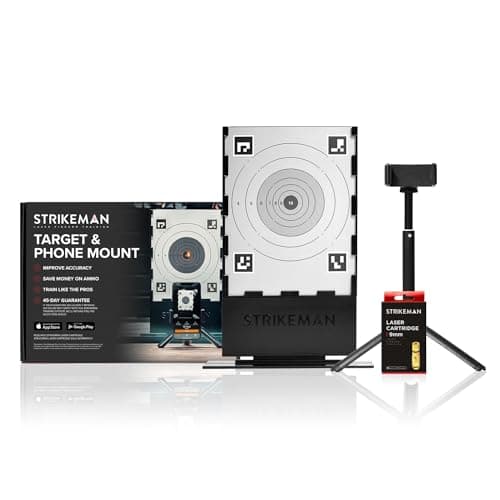
The safe route is a matched kit where the cartridge and the target were sold together and are known to work. Cartridges are also caliber-specific, so buy for the gun you will actually practice with.
Par times and splits for roughly half the price of the ProTimer above. For dry fire at home, where you control the noise floor, this does the same job.
It advertises compatibility with "most training cartridges" and then names none of them. Laser cartridges vary by wavelength and pulse behavior, and a target that will not say what it detects is a coin flip.
#ad · Live prices from the Amazon Creators API, as of October 19, 2026. Where we have no verified live price we show none — a gap beats a number that has rotted.
In detail
The picks, in full
01
Best shot timer
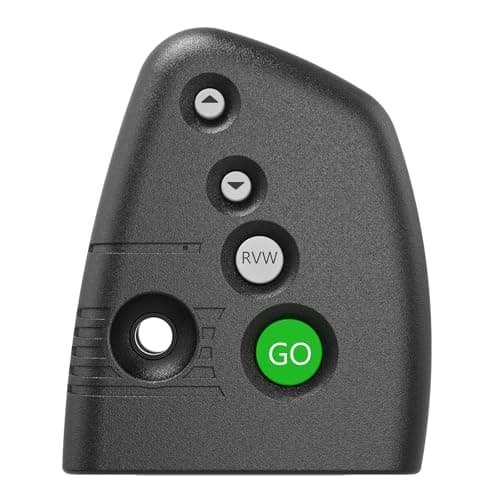
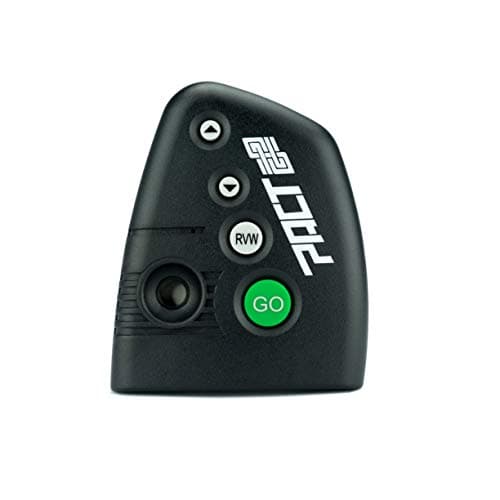
Club Timer III Shot Timer
Shot timerClub Timer IIIPar time and split recording
8.3/10
A timer is the only honest witness to whether you are getting faster. PACT has been making them since long before phones tried to.
Fit for purpose
9
Build quality
9
Usefulness
8
Value
7
What's good
+Purpose-built microphone and processing that a phone app cannot match on a live range
+Par times turn vague practice into a measurable standard
+PACT timers have a long service record — these get handed down
What's not
−A hundred and thirty dollars for a device that does one thing
−Timers pick up the shooter next to you on a busy line
−Phone apps are free and adequate for dry fire
Skip it if…
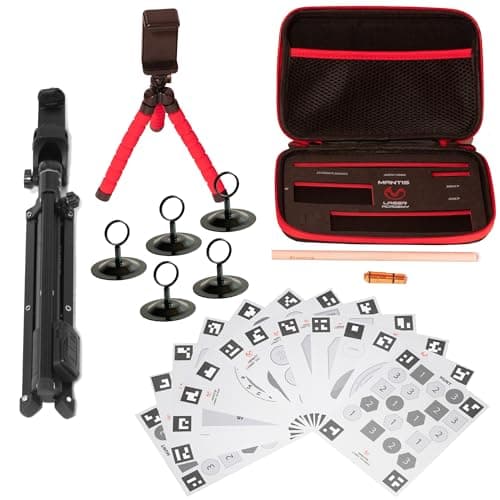
…you only dry fire indoors. A phone app handles that, and the Mantis kit times you already.
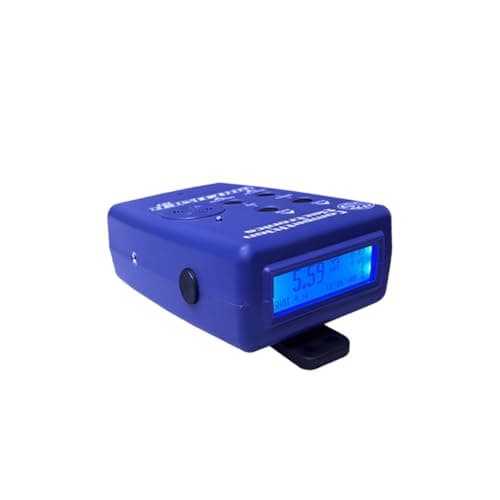
110dB buzzerPar & split timesBelt clip9V battery, not included
6.6/10
Par times and splits for roughly half the price of the ProTimer above. For dry fire at home, where you control the noise floor, this does the same job.
Detection accuracy
5
Ease of use
7
Features
7
Build quality
5
Value
9
What's good
+Par-time beeps are the core dry-fire function and this has them
+Cheap enough to own alongside a better timer for the range
+Belt clip means it is on you rather than on a bench
What's not
−Microphone sensitivity is the thing budget timers get wrong — expect false reads on a busy range
−A small marketplace brand rather than one of the timers clubs already run
−Buzzer is loud but the detection is the weak half
Skip it if…
…it will be used to score other shooters at a match. Detection reliability under other people's gunfire is exactly what you are not paying for.
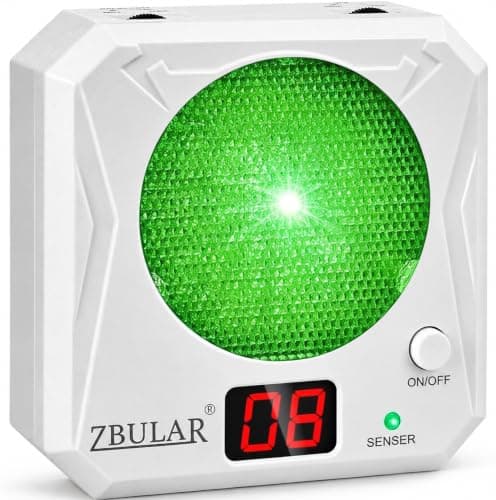
Digital laser target"Most" cartridges claimedNo stated wavelength
5.0/10
It advertises compatibility with "most training cartridges" and then names none of them. Laser cartridges vary by wavelength and pulse behavior, and a target that will not say what it detects is a coin flip.
Detection accuracy
4
Ease of use
6
Features
5
Build quality
5
Value
5
What's good
+Cheapest laser target here
+Compact
What's not
−Dry-fire targets detect a specific laser wavelength — commonly 650nm red or 520nm green — and a listing that states neither cannot be matched to a cartridge with confidence
−Pulse versus constant-on behavior also has to match, and that is likewise unstated
−Buying "most cartridges" and finding out yours is not one is the failure mode this category is full of
−The Strikeman kit costs more and arrives as a matched cartridge-and-target pair that is known to work together
Skip it if…
…you do not already own a cartridge you have confirmed it detects. Buy a matched kit instead.
Any timer with a par function. Even a cheap one. The par beep is 80% of the value and it works perfectly in a quiet room.
A proper timer once you are shooting matches — or once you are asked to run a squad, at which point detection reliability stops being optional.
A laser dry-fire kit when you want accuracy feedback rather than just speed feedback. Buy it as a matched cartridge-and-target set.
Getting real value from it
Short and frequent beats long and occasional. Fifteen minutes four times a week will do more than two hours on a Sunday.
Write the numbers down. Or let the app do it. Practice you cannot compare to last month is practice you cannot direct.
Practice the thing you are worst at. Everyone dry-fires draws because draws are satisfying. Reloads and transitions are where the time actually is.
Use the same rig you compete with. Dry fire from the actual belt, in the actual holster, with the pouches in the actual positions — see competition belts and holster setups. Practicing from a different setup trains a draw you will not use.
How these were picked
I haven't handled these. Here's what I did instead.
Everyone in this category says they tested twenty of these. I haven't tested any, and I say so. What I do instead: read the manufacturer's manual and published specification, compile the numbers that decide the purchase, do the arithmetic in the open, check the live price, and name one product to skip. The scores above are judgments from that research against a published rubric — they are not measurements I took, because I do not have a lab and I am not going to pretend otherwise.
Questions
Frequently asked
Do I need a timer if I'm not competing yet?+
It is arguably more useful before you compete than after. Turning up to a first match with a draw you have already done a thousand times on a par beep is the difference between shooting your stage and surviving it.
Will a phone app do instead?+
For par-time dry fire at home, yes — a phone can produce a random beep and a par beep perfectly well. What phones do badly is shot detection on a live range, which is exactly where a dedicated timer earns its money.
Are laser dry-fire systems worth it?+
If you already dry fire regularly, yes — they convert speed practice into speed-and- accuracy practice, which is what actually transfers. If you are not yet dry firing regularly, buy a timer and build the habit first. An expensive laser kit in a drawer trains nothing.
How much dry fire is too much?+
Stop when quality drops. Practicing a sloppy draw is not neutral, it is actively teaching you a sloppy draw. Fifteen focused minutes beats an hour of going through the motions, every time.
We do not run a testing lab and we do not pretend to. Where a measured number came from a manufacturer's published specification or someone else's lab, we name them and link them. Where we could not verify something, we say so on the page rather than quietly leaving it out. Read the full method.