Skip to content
Steve's Outpost

Section 03 · Camping

Camping Gear Checklist

Split into what you genuinely need on trip one, what to add on trip three, and what most people buy far too early.

By Stephen V.Updated How we pick
#ad

We earn a commission when you buy through our Amazon links, at no extra cost to you. It never changes the order of the picks, and we say so when the cheaper thing is the better buy. How this works.

Most camping checklists are the same undifferentiated list of eighty items, which is exactly how a first trip becomes a car full of things nobody uses. The useful version separates what matters on trip one from what you add once you know you like this.

There are only four things you genuinely cannot camp without: shelter, insulation from the ground, insulation from the air, and light. Everything else on this page is comfort, and comfort is worth having — but not before those four are right.

The short answer

Quick picks

#ProductBest forScorePrice
01
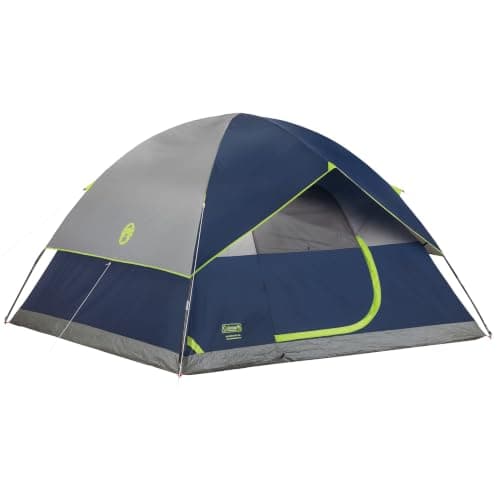
Coleman Coleman Sundome
Coleman Sundome

The tent half of America learned to camp in. Sets up in ten minutes, survives being packed wet, and is available in every size.

Best classic
7.4
$153.49Amazon (affiliate link)
02
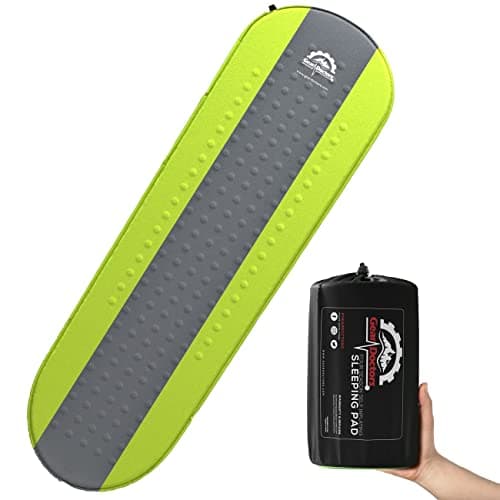
Gear Doctors Gear Doctors Oxylus Self-Inflating (4.3 R)
Gear Doctors Oxylus Self-Inflating (4.3 R)

Open-cell foam that pulls in its own air, so a slow puncture leaves you on foam rather than on the ground.

Best self-inflating
7.0
$49.99Amazon (affiliate link)
03
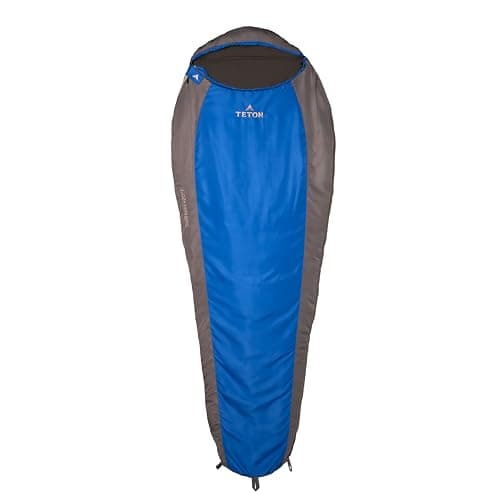
TETON Sports TETON Trailhead 20°F Mummy
TETON Trailhead 20°F Mummy

A 20°F mummy bag under seventy dollars from a company that has been making them for twenty years — the sensible default.

Best overall value
7.6
$69.61Amazon (affiliate link)
04
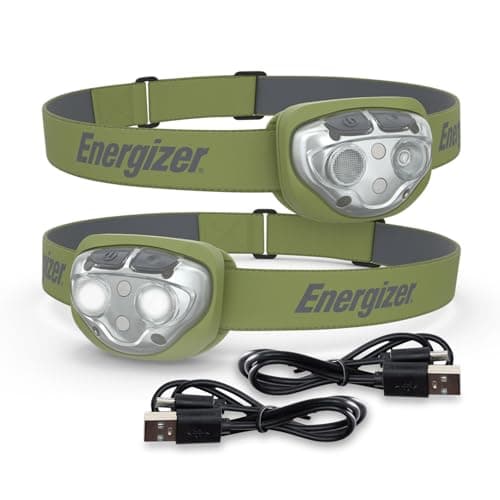
Energizer Energizer PRO-400 Rechargeable (2-Pack)
Energizer PRO-400 Rechargeable (2-Pack)

Two rechargeable headlamps from a battery company, with an IPX4 rating actually stated rather than implied.

Best overall
7.6
$19.98Amazon (affiliate link)

#ad · Live prices from the Amazon Creators API, as of Sep 4, 2026. Where we have no verified live price we show none — a gap beats a number that has rotted.

In detail

The picks, in full

01
Coleman Coleman Sundome

Best classic

Coleman Sundome

2/3/4/6-person options10-minute setupWeatherTec floorGround vent
7.4/10

The tent half of America learned to camp in. Sets up in ten minutes, survives being packed wet, and is available in every size.

Weather protection
7
Livable space
7
Setup speed
8
Durability
7
Value
8

What's good

  • Decades of production means every failure mode is known and every part is available
  • WeatherTec welded floor keeps ground water out reliably
  • Ground vent genuinely reduces condensation

What's not

  • Fiberglass poles in most configurations
  • Less headroom than the Skydome
  • Partial rainfly on smaller sizes

Skip it if…

you camp in real wind. Fiberglass poles are the limiting factor and they fail suddenly.

$153.49See it on Amazon (affiliate link)

Price as of Sep 4, 2026. Prices move — Amazon's is the one that counts.

#ad · we may earn a commission from this link to Coleman Sundome

02
Gear Doctors Gear Doctors Oxylus Self-Inflating (4.3 R)

Best self-inflating

Gear Doctors Oxylus Self-Inflating (4.3 R)

4.3 R-valueSelf-inflatingFoam coreValve inflation
7.0/10

Open-cell foam that pulls in its own air, so a slow puncture leaves you on foam rather than on the ground.

Insulation (R)
8
Comfort
6
Packed size
5
Durability
8
Value
8

What's good

  • A punctured self-inflating pad still insulates — the foam is doing part of the work
  • No lung effort to inflate, which matters at altitude
  • More durable fabric than ultralight air pads

What's not

  • Heavier and bulkier packed than a pure air pad
  • Thinner overall, so less comfortable for side sleepers

Skip it if…

packed size is the constraint. Foam does not compress the way air does, and it never will.

$49.99See it on Amazon (affiliate link)

Price as of Sep 4, 2026. Prices move — Amazon's is the one that counts.

#ad · we may earn a commission from this link to Gear Doctors Oxylus Self-Inflating (4.3 R)

03
TETON Sports TETON Trailhead 20°F Mummy

Best overall value

TETON Trailhead 20°F Mummy

20°F ratingMummy cutSynthetic fillCompression sack included
7.6/10

A 20°F mummy bag under seventy dollars from a company that has been making them for twenty years — the sensible default.

Warmth for weight
7
Packed size
6
Wet performance
8
Comfort
7
Value
10

What's good

  • Mummy cut with a hood is dramatically warmer than a rectangular bag at the same fill
  • Synthetic fill keeps working when damp, unlike down
  • Compression sack included rather than sold separately

What's not

  • Manufacturer temperature ratings are not always ISO-tested — treat 20°F as a limit rather than a comfort figure
  • Synthetic fill packs larger than down
  • Mummy cut is restrictive if you move in your sleep

Skip it if…

you sleep cold and expect comfort at 20°F. Buy a bag rated 10 to 15 degrees below the temperature you actually expect.

$69.61See it on Amazon (affiliate link)

Price as of Sep 4, 2026. Prices move — Amazon's is the one that counts.

#ad · we may earn a commission from this link to TETON Trailhead 20°F Mummy

04
Energizer Energizer PRO-400 Rechargeable (2-Pack)

Best overall

Energizer PRO-400 Rechargeable (2-Pack)

RechargeableIPX4 water resistantMultiple modesTwo-pack
7.6/10

Two rechargeable headlamps from a battery company, with an IPX4 rating actually stated rather than implied.

Real output
7
Battery life
8
Comfort
8
Weather resistance
6
Value
9

What's good

  • Two lamps means one for the truck and one for the pack, which is how headlamps actually get lost
  • Energizer states its water resistance rating rather than saying 'waterproof'
  • Multiple modes including a red night-vision mode on most models

What's not

  • IPX4 is splash resistance, not immersion — do not drop it in a creek
  • Output is modest next to the inflated claims on cheaper lamps

Skip it if…

you need serious throw for night navigation. This is a camp and close-work lamp.

$19.98See it on Amazon (affiliate link)

Price as of Sep 4, 2026. Prices move — Amazon's is the one that counts.

#ad · we may earn a commission from this link to Energizer PRO-400 Rechargeable (2-Pack)

Trip one: what you actually need

Sleep system — get this right or nothing else matters

  • Tent with a full-coverage rainfly, rated two people larger than your group
  • Sleeping pad with a stated R-value of 2 or higher — this is why people are cold, not the bag
  • Sleeping bag rated 10 to 15°F below the coldest night you expect
  • Pillow, or a stuff sack packed with clothing

Light

  • Headlamp per person, plus spare batteries
  • A lantern for the table — one shared light beats four headlamps in each other's eyes

Kitchen

  • Stove and fuel, with more fuel than you think
  • Cooler with ice, sized per the guide above
  • One pot, one pan, one utensil each
  • Knife, cutting board, can opener
  • Water containers — five gallons for a weekend for four
  • Trash bags, dish soap, a small towel

Camp

  • Chairs
  • Lighter and a backup fire source
  • First aid kit
  • Toilet paper, kept dry
  • Layers for 15°F colder than the forecast

Trip three: what to add

  • A tarp for shade or rain cover over the kitchen — the highest-value cheap upgrade there is
  • A second small cooler for drinks, which roughly doubles your food cooler's ice life
  • A proper camp table if your sites do not have one
  • A dedicated bin that lives packed with the non-perishable kit, so trips start faster
  • Camp shoes — something to change into that is not your hiking boots

The four things beginners forget

  1. Enough water. A gallon per person per day, plus cooking and washing. Most people bring roughly half of this.
  2. A way to make coffee. Immediately obvious at 6am and impossible to fix then.
  3. Warm layers for after dark. The temperature drop once the sun goes is the most consistently underestimated thing in camping.
  4. A trash plan. Bags, and somewhere to put them that animals cannot reach.

The three things people buy too early

  • An expensive tent. Find out whether you like sleeping outside first. A $130 tent with a full fly and aluminum poles does that job perfectly.
  • A full backpacking kit. Different trip, different gear, and much more expensive. Car camp first.
  • Specialized cookware. Your kitchen already has a pot and a pan that work fine over a camp stove.

The thing worth spending on first

The sleeping pad. It costs less than a tent, it is the reason most people are cold and uncomfortable, and it is the single item most likely to determine whether anybody wants to go again.

How these were picked

I haven't handled these. Here's what I did instead.

Everyone in this category says they tested twenty of these. I haven't tested any, and I say so. What I do instead: read the manufacturer's manual and published specification, compile the numbers that decide the purchase, do the arithmetic in the open, check the live price, and name one product to skip. The scores above are judgments from that research against a published rubric — they are not measurements I took, because I do not have a lab and I am not going to pretend otherwise.

Questions

Frequently asked

What do I actually need for my first camping trip?
Shelter, a pad with a real R-value, a bag rated below the expected low, and a headlamp. Those four are non-negotiable. Everything else can be borrowed, improvised or bought later once you know what you use.
How much water should I bring camping?
About a gallon per person per day for drinking, plus more for cooking and washing. Five gallons covers a weekend for four in mild weather; take more in heat.
What is the most common camping mistake?
Underestimating the temperature drop after dark, and pairing a warm sleeping bag with a summer pad. The ground pulls more heat out of you overnight than the air does, and the pad is the only thing standing in the way.
Should I buy or rent camping gear at first?
Rent or borrow the tent for the first trip if you can, and buy your own sleep system — a pad and bag sized to you make far more difference than a marginally better tent, and borrowed ones rarely fit.

Keep reading

Receipts

Sources

We do not run a testing lab and we do not pretend to. Where a measured number came from a manufacturer's published specification or someone else's lab, we name them and link them. Where we could not verify something, we say so on the page rather than quietly leaving it out. Read the full method.