We earn a commission when you buy through our Amazon links, at no extra cost to you. It never changes the order of the picks, and we say so when the cheaper thing is the better buy. How this works.
Trail camera listings compete on one number, and it is the wrong one. Almost every camera on the market interpolates its megapixel figure upward from a much smaller sensor, so a "64MP" camera and a "36MP" camera frequently use similar hardware. The number tells you about the marketing department, not the image.
What decides whether you get a usable photograph of a deer crossing a lane is trigger speed — the delay between detection and shutter — and recovery time, the gap before the camera can fire again. Under half a second, a walking deer is in frame. Over a second, you collect a lot of pictures of the space where a deer used to be.
The second decision is money, and it is bigger than the camera. A cellular camera's subscription will exceed its purchase price within a couple of seasons. That can be worth every cent if checking cards would pressure the spot — and it is pure waste if you drive past the camera anyway.
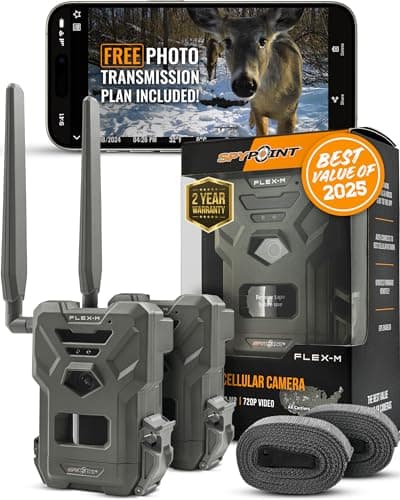
If the monthly bill is the part you want gone, one brand still sends photos on a free plan: that is worked through on our best cellular trail camera without a subscription page, along with the card-based cameras that have no running cost at all.
A growing number of these cameras never see a deer. If yours is going on a gate, a driveway or an outbuilding, the criteria change completely — trigger speed and no-glow flash matter and image quality mostly does not: best trail cameras for security ranks the same cameras against that job, and covers the recording rules nobody mentions.
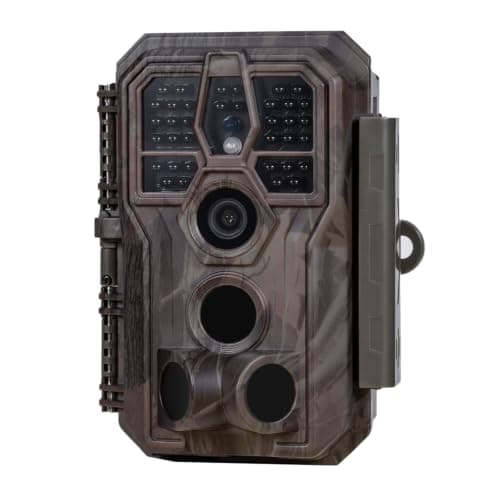
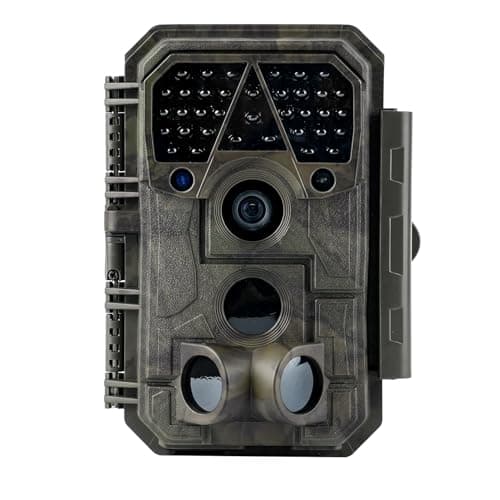
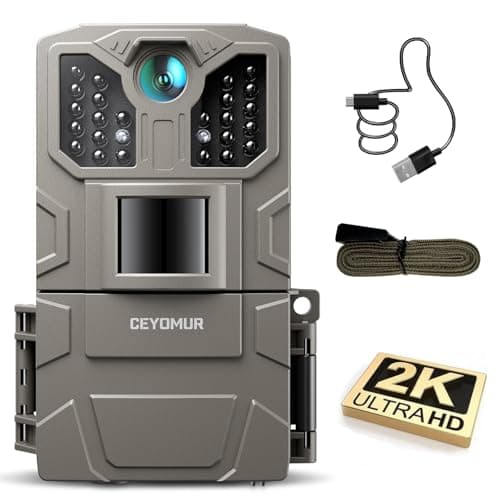
Nineteen dollars for a camera whose listing leads with an interpolated megapixel count and never states a trigger speed — the two facts together tell you what you need to know.
#ad · Live prices from the Amazon Creators API, as of October 19, 2026. Where we have no verified live price we show none — a gap beats a number that has rotted.
In detail
The picks, in full
01
Best cellular
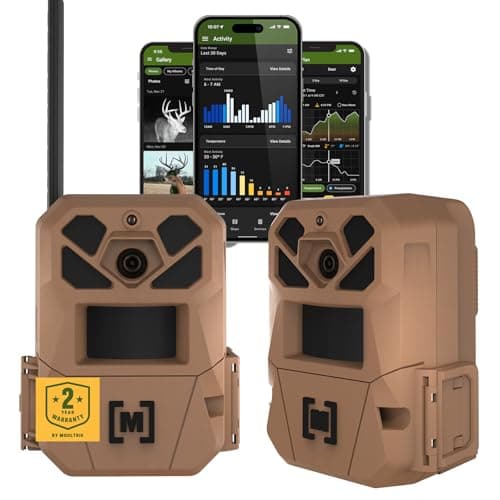
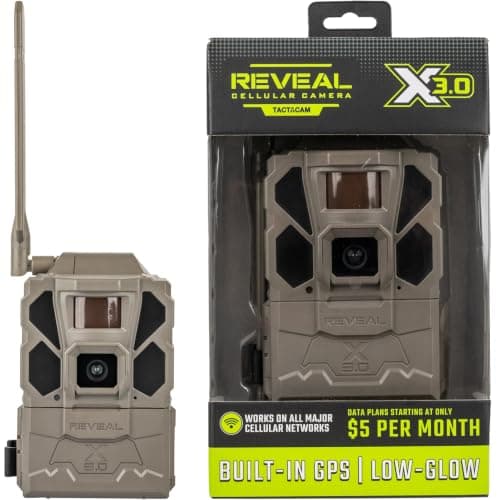
Tactacam Reveal X 3.0
Cellular LTENight visionWaterproofApp control
6.8/10
The cellular camera to buy if you are going to run cellular at all — good night imagery, and a data plan you can actually read before you commit.
Trigger speed
8
Night image
8
Battery life
7
Running cost
4
Value
7
What's good
+Sends images to your phone, so you stop pressuring the area by checking cards
+Established brand with a documented data plan structure
+Solid low-light imaging
What's not
−The subscription is a recurring cost that exceeds the camera price over a couple of seasons
−Cellular coverage on your property is the real constraint and nobody can tell you in advance
−More failure points than a card-based camera
Skip it if…
…your property has weak cell signal or you check cameras on your way in anyway. The subscription buys you nothing in either case.
Nineteen dollars for a camera whose listing leads with an interpolated megapixel count and never states a trigger speed — the two facts together tell you what you need to know.
Trigger speed
3
Night image
4
Battery life
5
Running cost
10
Value
4
What's good
+Extremely cheap
+Cheap enough to treat as disposable if one walks off
What's not
−No published trigger speed, which is the specification that decides whether you photograph deer or empty trail
−36MP is interpolated from a much smaller sensor, as on every camera at this price
−No weather rating stated
−No support if it fails mid-season
Skip it if…
…you want pictures of animals rather than of the space where an animal was. Twice the money gets you a GardePro with a real weather rating.
Look for a published trigger speed under 0.5 seconds. Cameras that do not publish one are telling you something. Recovery time matters just as much on a trail where several animals pass together — a camera with a four-second recovery photographs the first deer of a group and misses the rest.
Flash type: no-glow, low-glow or white
No-glow infrared (940nm) is invisible to game and to people, at the cost of shorter effective night range and grainier images. Low-glow (850nm) produces a faint red glow animals can see, with better night range. White flash gives color night images and absolutely announces itself. On pressured public land, no-glow. On a private field edge, low-glow is usually the better image.
The subscription arithmetic
Run the number before you buy, not after the first bill. A cellular plan at $10 to $15 a month across a six-month season is $60 to $90 per camera, per year. Two cameras over two seasons is more than $240 — several times the hardware cost. That is either excellent value or pure waste, entirely depending on whether you would otherwise be walking in.
Batteries and power
Lithium AAs dramatically outperform alkaline in cold weather, and cold weather is when you run these. A solar panel eliminates most battery swaps on a cellular camera, which also eliminates the trips to the camera that cellular was supposed to prevent.
Detection range and angle
A detection zone narrower than the camera's field of view produces photos where the animal is already leaving frame. Mount at roughly chest height for the animal, angled slightly down the trail rather than across it, so the subject moves toward the sensor instead of past it.
How these were picked
I haven't handled these. Here's what I did instead.
Everyone in this category says they tested twenty of these. I haven't tested any, and I say so. What I do instead: read the manufacturer's manual and published specification, compile the numbers that decide the purchase, do the arithmetic in the open, check the live price, and name one product to skip. The scores above are judgments from that research against a published rubric — they are not measurements I took, because I do not have a lab and I am not going to pretend otherwise.
Questions
Frequently asked
How many megapixels does a trail camera need?+
Far fewer than the box claims. Most trail cameras interpolate from a 5 to 12 megapixel sensor, so a 64MP claim is software. Ignore it entirely and buy on trigger speed, detection range and flash type.
What is a good trigger speed?+
Under 0.5 seconds catches a walking deer in frame. 0.2 to 0.3 seconds is excellent. Above one second you should expect to photograph a lot of empty trail and the occasional tail.
Are cellular trail cameras worth the subscription?+
Worth it when walking to the camera would pressure the area, when the camera is far from a road, or when you are managing several properties. Not worth it when you drive past anyway — then you are paying $60 to $90 a year for convenience you already had.
Can deer see trail camera flash?+
Low-glow infrared at 850nm produces a faint red glow most animals can perceive. No-glow at 940nm is effectively invisible to them. White flash is obvious to everything. On heavily pressured deer, no-glow is worth the reduced night range.
How high should I mount a trail camera?+
Roughly chest height for your target animal — about three feet for deer — angled slightly down and along the trail rather than perpendicular to it, so the animal walks toward the detection zone rather than across it.
We do not run a testing lab and we do not pretend to. Where a measured number came from a manufacturer's published specification or someone else's lab, we name them and link them. Where we could not verify something, we say so on the page rather than quietly leaving it out. Read the full method.