The one-line version: do the things that can fail early, early. Tags, access permission and a rifle that shoots where it looks are the three items with a real lead time, and they are the three people leave until the week before.
This page is deliberately not a gear list. If you want the pack contents, that is the hunting gear checklist, organized by hunt type. What follows is the order, because the mistake that costs people opening morning is almost never a missing item — it is a job done in the wrong week.
Eight weeks out: the things with a lead time
Draw results, over-the-counter tag availability, and access permission are all outside your control and all have deadlines. So does a scope that turns out to be broken. Everything in this first block exists because you cannot fix it in a hurry.
- Tags, licenses and draw results. Check the current regulations for your unit rather than last year's. Season dates, weapon restrictions and antler rules move.
- Access. Ask for private permission in summer, not in the fall when everyone else is asking. On public ground, look at the parking situation now.
- Physical. If the plan involves packing an animal out, the training for that starts in summer or it does not happen.
Six weeks out: scouting, and writing it down
Cameras go out, boots go on the ground, and — the part almost everybody skips — the observations get recorded somewhere that survives. Memory rewrites itself between August and November, and a phone dies in the cold.
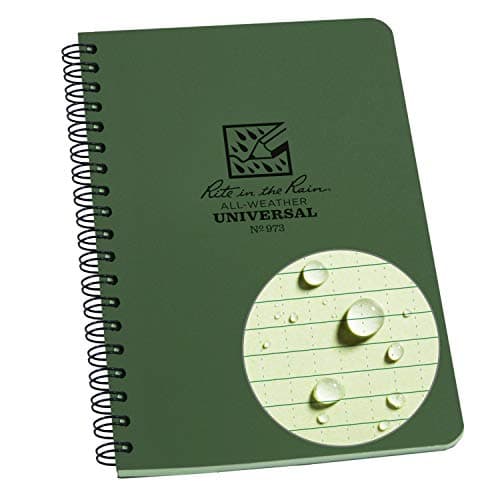
A weatherproof notebook with dated entries for wind direction, sign, and what you actually saw becomes genuinely valuable across three or four seasons. Our trail camera roundup covers the hardware side of scouting, and the no-subscription cameras are worth reading first if you are buying cellular.
Four weeks out: stands, blinds and the walk in
Hanging a stand four weeks out lets the woods settle before you hunt it. It also means you discover the broken ratchet strap in daylight in October instead of in the dark in November.
Mark the route in while you are there. Reflective tacks read a headlamp from a long way off, and the route you should mark most carefully is the one out — the one you will be walking with an animal on a drag rope and a dead phone. Check your unit's regulations before putting anything into a tree; tacks and screw-in steps are prohibited on a lot of public ground.
Two weeks out: sight in, properly
Not "confirm zero" — sight in. A rifle that sat in a safe for eleven months, or got a new scope, or rode a thousand miles in a truck, is an unknown until it puts three shots where you asked.
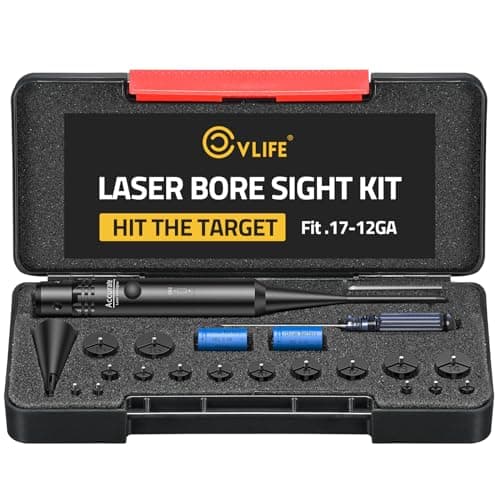
A laser bore sighter is worth its twenty-odd dollars here for one reason: it gets you on paper at 25 yards before you have burned a box finding the target. It does not zero anything. Once you are on paper, the actual process is in how to zero a rifle scope, and if your rifle wears a red dot, that walkthrough is separate.
One week out: the shakedown
Boots on, pack loaded, all of it worn for an hour. This is when you find the harness that no longer adjusts, the headlamp with dead batteries and the bibs that do not fit over the boots. Wash and store hunting clothes now, and store them outside the house — a detergent without brighteners does nothing if the clothes then spend a week absorbing kitchen air.
Opening morning: nothing new
The rule that saves the most hunts: do not introduce anything on opening morning that you have not already used. Not a new pack, not new boots, not a rangefinder you have not paired to your phone. The season is not the shakedown.
What is actually worth buying before the season
Buy: anything with a lead time
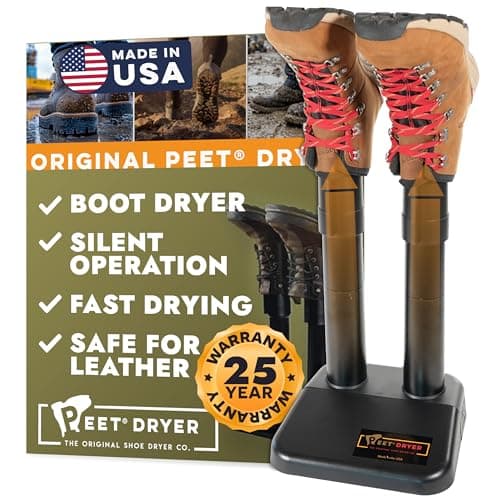
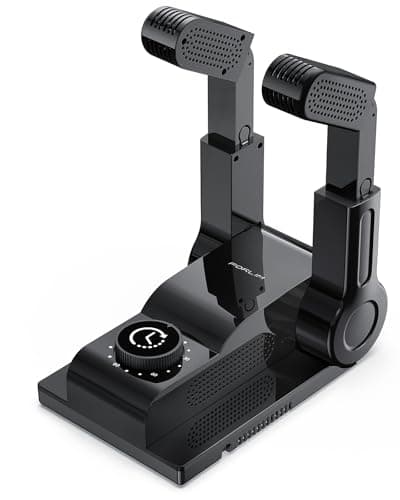
A bore sighter, a boot dryer and a notebook are all cheap, all boring, and all things you cannot improvise at 4 a.m. Everything else on this page is a comfort purchase and can wait.
Buy once: the boot dryer
The genuine decision is convection versus forced air. Convection is silent, has no moving parts and runs overnight; forced air is roughly twice as fast, costs half as much and has a fan that will eventually fail. If boots need to be dry by the evening sit, buy forced air. If they need to be dry by tomorrow and the dryer lives where people sleep, buy convection.
Do not buy: scent-control bundles
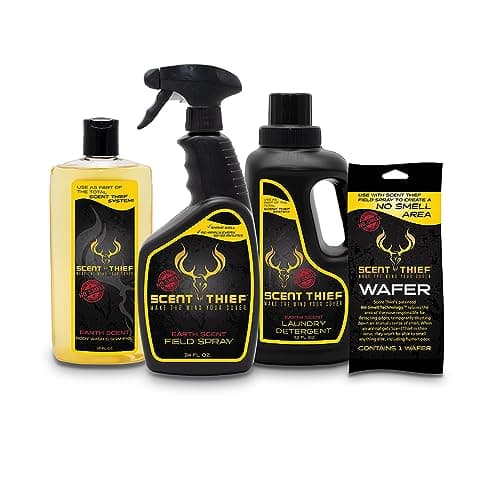
Unscented detergent has a mechanism you can describe — no fragrance, no optical brighteners. A four-product "system" at three times the price does not, and the category has never produced the independent evidence that would justify it. Buy the detergent, store the clothes outside the house, and hunt the wind.
Regulations beat gear, every time
Trail cameras, tree tacks, screw-in steps, bait and even where you may park are all regulated differently unit to unit and state to state. Read the current regulations for the specific unit you are hunting before any of this matters. Nothing on this site is a legal opinion.