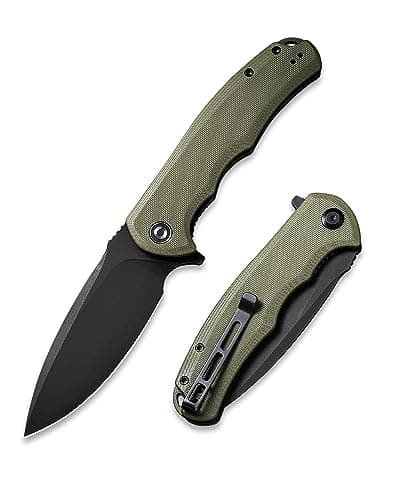
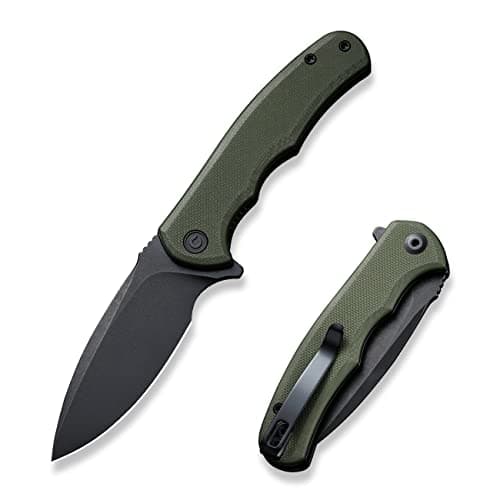
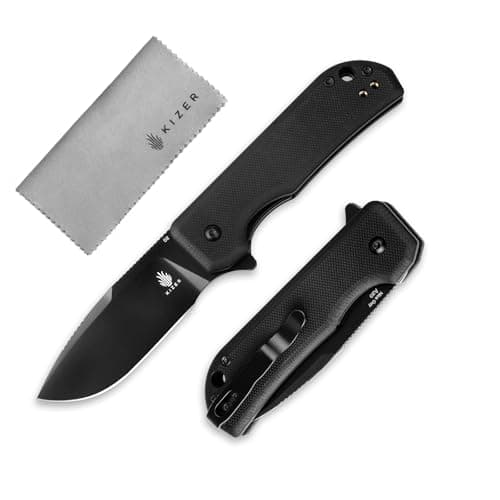
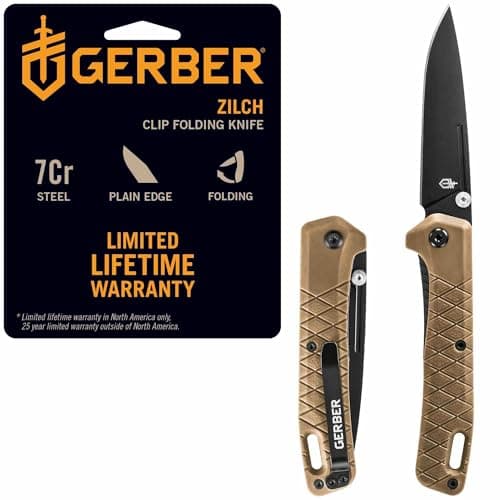
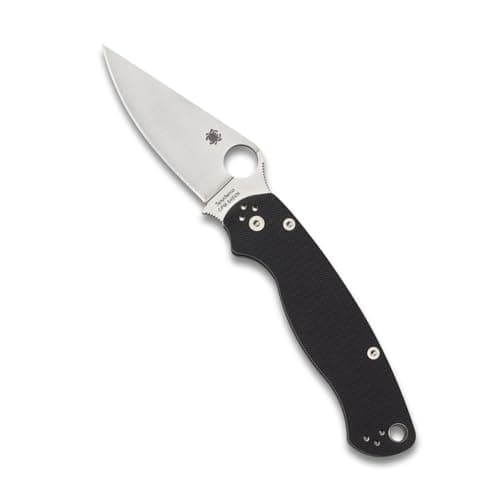
The verdict first: the closest alternative to a Benchmade is the Spyderco Para Military 2, because it answers two of the five reasons a Benchmade costs what it does at the same time — the lock and the steel. It is for the person who wanted a premium knife rather than specifically a light one. If price was the whole problem, the CIVIVI Praxis does roughly ninety percent of the cutting for roughly a fifth of the money. The budget pick is the Gerber Zilch, which is the cheap answer to the one thing nothing else here replaces: a knife light enough that you forget you are carrying it.
We do not rank a Benchmade on this page. Our Benchmade page ranks the Bugout and answers whether it is worth the money — honestly, including the three cases where the answer is no. This page is the next question, and an alternatives page that ranks the thing you came to replace is just the roundup again.
The five reasons, and which knife answers each
Work out which of these five you were actually buying before you compare prices. "Benchmade alternative" is five different questions wearing one phrase, and the answer is different for each.
1. Weight — and this is the one nothing here replaces
The Bugout is 1.85 ounces with a 3.24-inch blade, and getting that combination takes skeletonized liners, thin scales and careful design. If weight is what stops you carrying a knife, that is a genuine engineering answer to a genuine problem and the premium is for something real.
The honest alternative is not a premium knife at all: it is the Gerber Zilch, which is extremely light because it is made of glass-filled nylon rather than because it is clever. The handle flexes under a hard grip and the clip is not deep-carry. For a few percent of the money you get most of the weight benefit and none of the engineering.
2. The steel — answered by the Spyderco, sidestepped by everything else
CPM-S30V is a powder metallurgy stainless with excellent edge retention. CPM-S45VN, in the Para Military 2, is a newer steel in the same family. That is a direct substitution rather than a compromise.
The caveat is the same one that runs through our steel guide: premium powder steel needs diamond abrasives or a guided system to bring back properly, and an unmaintained S30V blade performs worse than a maintained budget one. If your sharpening plan is a pull-through in a kitchen drawer, the steel is not the reason to spend.
3. The lock — answered cleanly
The Axis lock is fully ambidextrous, opens and closes one-handed, and keeps fingers out of the blade path. Spyderco's compression lock does the same three things and is exceptionally strong. Liner locks — on the CIVIVIs and the Kizer here — do not: they are handed, and closing one puts a finger across the path of the blade. They also wear over years in a way frame and compression locks do not.
That is a real ergonomic difference you notice every day, and it is the reason the Spyderco is the top pick rather than the cheapest knife on the page.
4. The service program — not answered by anyone
Benchmade's LifeSharp program sharpens, cleans and adjusts the knife for its lifetime. Read their current published terms for the exact scope, but as a proposition it is genuinely unusual and no budget maker offers anything like it. Kershaw and Gerber warranties answer the phone, which is more than most, and that is not the same thing.
If this was what you were buying, buy the Benchmade. A page of alternatives cannot manufacture a service department.
5. Manufacturing tolerances — partly answered
Centered blades, consistent detents, even grinds, no lock rock. Budget knives vary between individual units here in a way premium ones largely do not. The Spyderco is a premium knife and behaves like one; the CIVIVIs are startlingly good for the money and are not a guarantee. Whether that matters is entirely a question of whether it bothers you.
The length question, which is not about quality at all
Two of the picks here — the CIVIVI Mini Praxis and the Kizer Nice Guy — are on this page partly because they sit just under three inches of blade. In a lot of US cities that is the line between a knife you can carry and one you cannot, and the full-size CIVIVI Praxis at 3.75 inches exceeds the legal carry length in several of them.
Check your own jurisdiction before you buy anything on this page, including the top pick. The American Knife and Tool Institute maintains state-by-state material and is linked in the sources. Both of the sub-three-inch knives here use D2, which is only semi-stainless — wipe it dry or it will spot.
So what should you actually buy?
- You wanted a premium knife: the Spyderco Para Military 2. Lock and steel both answered, and you pay in weight.
- You wanted to spend much less: the CIVIVI Praxis. A bearing pivot, G-10 scales and a deep-carry clip for a fifth of the money; an easier steel to sharpen and a faster one to dull.
- You need it under three inches: the CIVIVI Mini Praxis, or the Kizer Nice Guy if your pockets are already full.
- You wanted the weight: the Gerber Zilch, and accept that it is a cheap knife rather than a light premium one.
- You wanted LifeSharp: buy the Benchmade. Nothing here replaces it.
Buying notes
Spend the difference on abrasives, not on a second knife
If you drop from a $200 knife to a $40 one, the single best use of the savings is a sharpening system. A maintained budget blade out-cuts a neglected premium one every time, and it is the recommendation that costs this site money — sharpeners are ranked here.
Deep-carry clips are worth more than they look
A knife that rides low and hidden gets carried in situations where a visible clip does not, which is most of what decides whether you have a knife when you need one. Two of these picks have one and the budget pick does not.
Semi-stainless steels want drying, not oiling
D2 spots if you put it away wet. That is not a defect and it is not solved by oil in the pivot; it is solved by wiping the blade. If you work around water, the 9Cr18MoV in the full-size CIVIVI resists rust better than the D2 in the small ones.
Almost nobody's second knife is the shape of their first
Blade length, handle size, lock type and clip position are preferences you discover by carrying. Discovering them on a $40 knife is much cheaper, which is the real argument for starting here rather than at the top — the general EDC ranking has the full field.