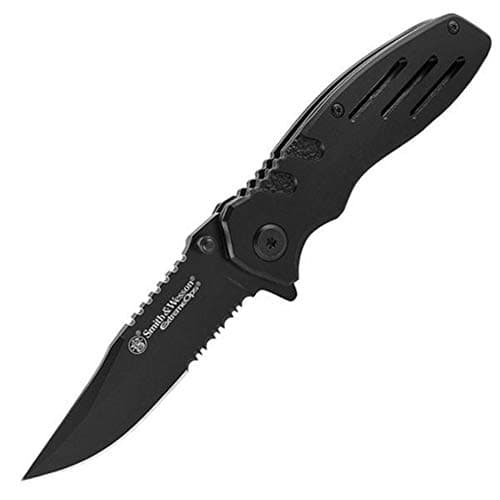
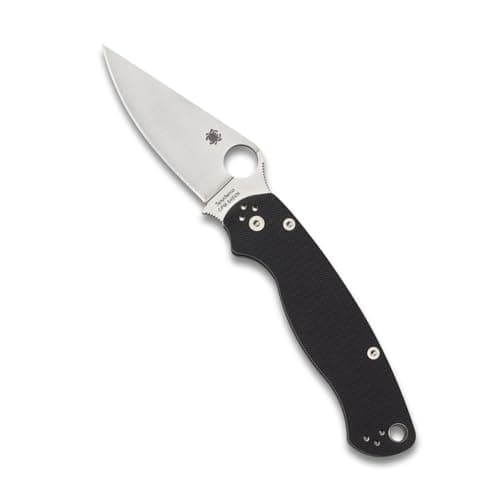
The verdict first: for work, buy the Spyderco Para Military 2. It is for the tradesperson or warehouse worker who opens, cuts and strips things all day with hands that are not clean, and every feature that makes it heavy for pocket carry is an advantage on a belt. The budget pick is the Kershaw Appa — a frame lock, steel behind the tip, under three inches, and a US warranty that answers the phone. Skip the Smith & Wesson Extreme Ops: it is the knife in every jobsite drawer and the reason so many people think they dislike pocket knives.
This is not our general EDC ranking, which ranks knives for carrying, or the budget ranking, which ranks them on price. A work knife is chosen on three things neither of those weighs heavily, and they change the order.
The three things that decide a work knife
1. Grip when your hands are not clean
This is the one that matters most and gets discussed least. Oil, sawdust, drywall dust, sweat and cold all reduce friction, and a slick handle plus a hard cut is how people get cut. Textured G-10 is the best material here by a clear margin; full handle panels beat a skeletonized frame; a bare steel frame — on the Gerber Paraframe family and plenty of others — is the worst of the options when wet.
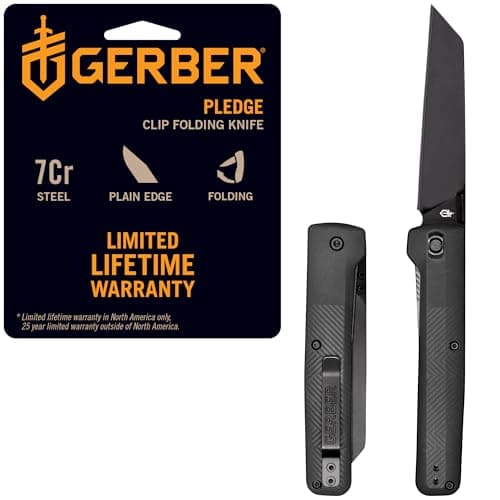
That is most of why the Spyderco wins this page and why the Gerber Pledge is here: full panels rather than an open frame, which is what you want when the handle is the only thing between a wet grip and the edge.
2. A lock you can work in a glove
Opening a knife with gloves on is where thumb studs fail and thumb holes do not — a hole takes a gloved thumb, a stud needs a fingernail. Closing it is the half nobody considers: a liner lock needs a finger pushed into the path the blade is about to travel, which is fine barehanded and unpleasant in a thick glove. Compression and frame locks keep your hand clear.
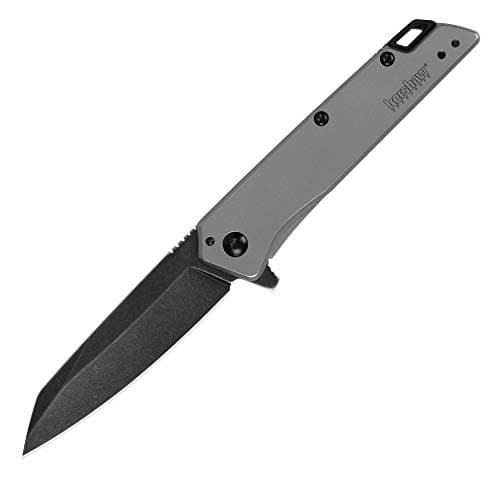
If one hand is routinely occupied — up a ladder, on a lift, holding a cable — the Kershaw Misdirect is on this page for exactly that: assisted opening is a genuine convenience, at the cost of a soft steel and a spring that is the first thing to fail.
3. A length that does not start a conversation
Plenty of workplaces have a blade length policy and plenty of cities have a law, and the two are not the same thing. Under three inches clears most of both. The Gerber Pledge at 3.7 inches and the full-size CIVIVI at 3.75 exceed the legal carry length in several US cities, which is worth checking before you clip one to a work trouser pocket — the American Knife and Tool Institute's state material is linked in the sources.
Our honest advice: if you do not know your site's policy, buy under three inches and you will almost never have the conversation.
When the answer is not a knife
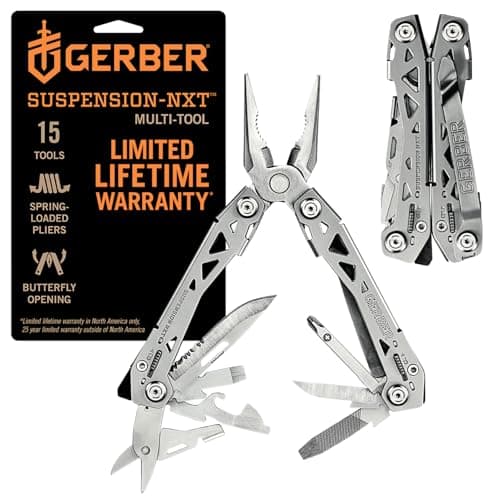
For a mechanic or an electrician the knife is frequently the wrong tool and the problem is actually pliers. The Gerber Suspension NXT is on this page because of that: spring-loaded pliers, fifteen tools and a blade for about the price of a mid-tier folder.
One specification to respect — not all of its tools lock, which means a tool can fold under pressure. That is a real limitation when you are leaning on something. If the pliers are the main event rather than a bonus, our multitool roundup ranks the category properly and the Leatherman end of it locks everything.
Steel, for a knife that gets abused
The usual EDC advice — buy the best steel you can — partly inverts at work. A work knife gets cut into cardboard, staples, zip ties, shrink wrap and occasionally drywall, and it gets dull on a schedule regardless of what it is made of. What you want is a steel you will actually re-sharpen, which in practice means one that comes back on whatever is in the toolbox.
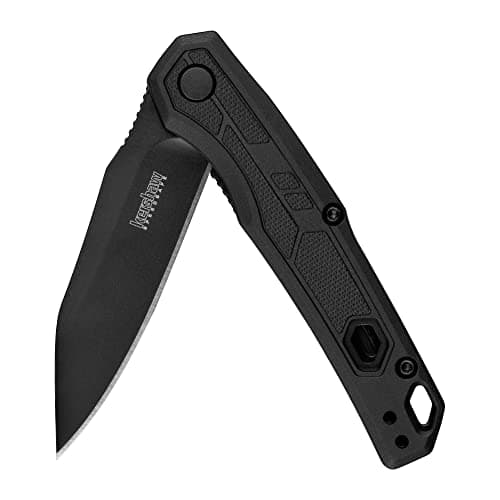
Plain edges sharpen on anything. Serrations need a dedicated tapered rod, which is why the serrated knife at the bottom of this page is a skip rather than a budget option: most owners never sharpen it, and a dull serrated tanto tears material instead of slicing it. Our steel guide has the full picture and how to sharpen is the process.
Buy two, and keep one in the toolbox
Work knives get lost, lent and left on a beam. That is not carelessness, it is the job, and it is the single best argument for the budget pick: a Kershaw Appa costs little enough that losing one is an inconvenience rather than an event, and two of them cost less than one premium folder.
The pattern that works: one good knife on the belt that you look after, one cheap one in the toolbox that you do not. Where a knife is genuinely the wrong tool — prying, scraping, batoning — the answer is a fixed blade or a pry bar, not a folder with a thicker lock.
Buying notes
Check the clip, not just the blade
A clip that rides high and visible is the one that catches on a tool belt and the one a supervisor notices. Deep-carry clips sit lower and are worth more at work than at weekends. The budget options here mostly do not have one.
A plain edge, every time
Serrations are harder to sharpen, tear rather than slice, and are the reason jobsite knives end up dull forever. If you genuinely cut rope and webbing daily, buy a dedicated serrated rescue tool rather than a partly-serrated folder.
Assisted opening is a convenience, not a feature set
It genuinely helps one-handed, and the spring is the part most likely to eventually fail. Treat assisted knives as consumables rather than as knives you will hand down.
Clean the pivot, not just the blade
Sawdust and drywall dust pack into a pivot and turn a smooth action into a gritty one, and grit in a pivot wears the washers. Compressed air and a drop of oil every few weeks is the whole maintenance routine for a work folder.