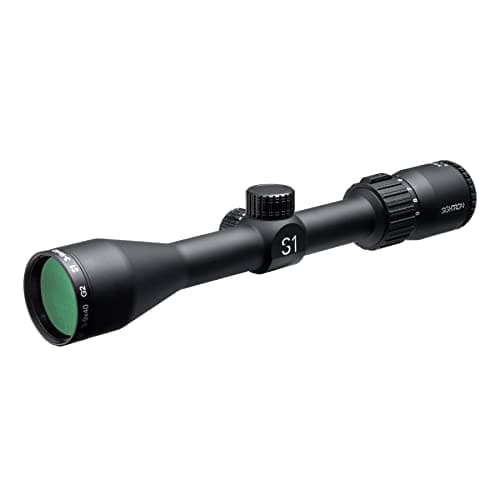
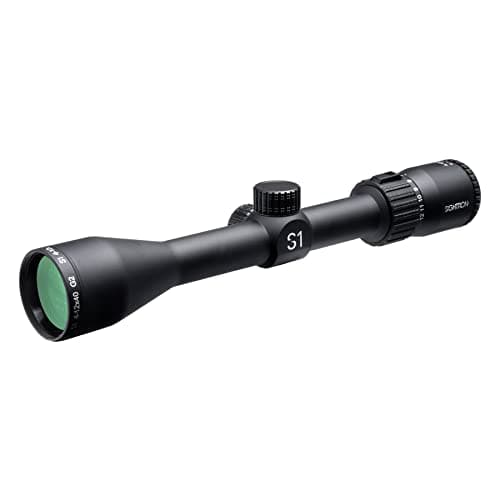
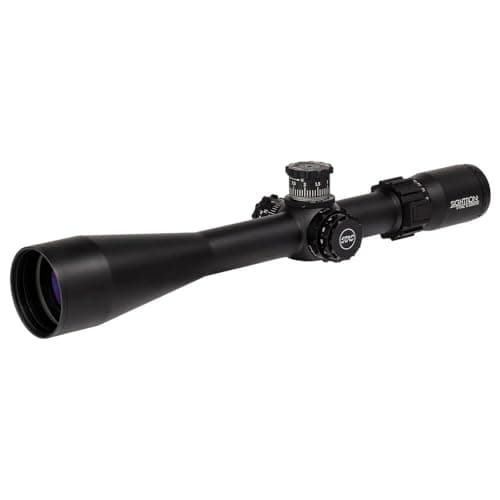
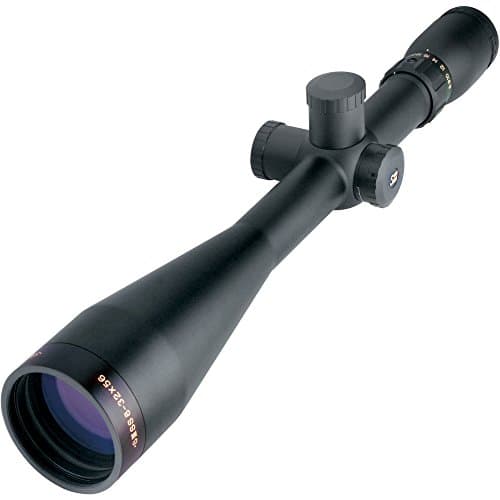
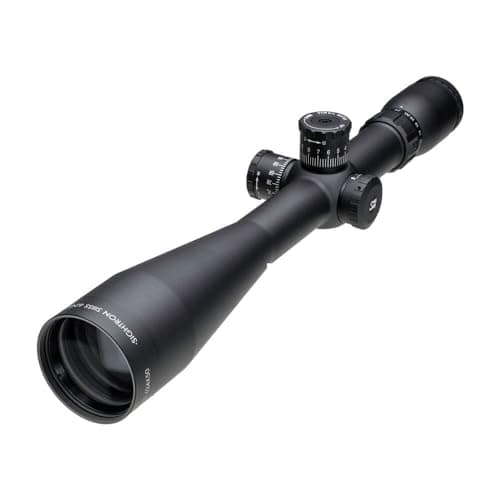
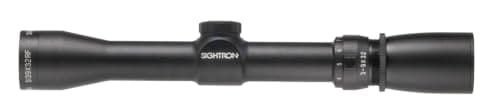
Sightron is the brand that competitive benchrest and F-class shooters have quietly used for years while the internet argued about everybody else. It is also where my precision money went: the scope on my Remington 700 is a SIII 8-32x56 in MOA-2, and that rifle has its own page with the rest of the parts on it.
My position on the brand, plainly: Sightron makes some of the best pure glass for the money that anybody sells, and they are badly underrated because almost nobody talks about them. The glass quality punches well above the name recognition. That is not a neutral assessment and I am not going to present it as one — it is why I bought one.
The company is American, based in North Carolina, and it owns two production facilities — one in Japan and one in the Philippines.
That split is the single most useful thing to understand about the brand, and it is the thing most coverage skips.
The Japan question, answered honestly
Sightron's reputation for glass rests on the SIII and SV lines, which are produced in the Japanese facility. The entry and mid-tier lines — S1, SII — moved to the Philippines plant, with mid-range production shifting there from around 2010.
This is not a criticism of the Philippines-built scopes; they are decent optics at their price. It is a warning against a specific mistake: buying a $226 SI Hunter because you read that Sightron makes exceptional Japanese glass. That praise belongs to a different part of the catalog, and a brand guide that lets you conflate them is not doing its job.
The lineup, top to bottom
S1 and SI Hunter — the entry lines
Roughly $200 to $290. Fully multi-coated, straightforward hunting configurations, G2 generation reticles including a Hunter Holdover option. Sensible scopes. Not the reason the brand is famous.
SII — the mid line
Including the fixed-power target scopes. Better than the S1, still not the Japanese-built tier. The SII Big Sky Retro line also sits here.
S-TAC — the practical precision line
Around $500 to $790. First focal plane, zero stop, illuminated reticles. This is where Sightron starts competing directly with the Vortex Viper tier, and the 4x bottom end on the 4-20x50 is more usable than most precision scopes in that bracket.
SIII — the one people mean
Roughly $1,230 to $1,760. Japanese-built, available in second and first focal plane, with target, long range, field target and competition ED variants. This is the line that earns the reputation.
SV, SVIII ED and S6 — the top
$1,800 to $2,880 and up. 34mm tubes, ED glass, and the magnification ranges competitive benchrest shooters ask for. The S6 10-60x56 is the current benchrest flagship.
The current catalog on sightron.com also lists SVIII ED, SV ED, SIII PLR, SIII Long Range, SIII Field Target, SIII Competition ED and dedicated FFP models. If a model name here does not match what you are looking at, check the source link — Sightron revises the lineup more often than the coverage does.
The warranty, including the part nobody mentions
Sightron offers a limited lifetime warranty on riflescopes, binoculars and spotting scopes, covering failure due to workmanship or materials, with repair or replacement at their discretion. For US purchases, no registration and no proof of purchase is required.
Here is the part that matters and is easy to miss: electronic components carry a two-year warranty, not a lifetime one. Electrostatic discharge is also covered for two years, and GPS devices for one. If you are buying an illuminated scope, the illumination is a two-year part.
Exclusions are shipping damage, accidents, misuse, abuse, unauthorized alteration, theft, modification and acts of God. That is a normal limited warranty — and it is meaningfully different from Vortex's unconditional one, which covers damage regardless of cause. Neither is wrong; they are different products, and the price difference reflects it.
Where I would spend
Under $250: honestly, buy the Vortex. The warranty carries the entry tier and Sightron's entry line is not where its advantage lies.
Around $790: the S-TAC 4-20x50 FFP is a genuinely better instrument than anything Vortex sells at that price, and the zero stop and illumination are features the Diamondback Tactical does not have at all.
Above $1,200: this is Sightron's home ground. The SIII line out-glasses its price bracket and the target models are why competitive shooters buy them.
Buying a Sightron sensibly
Check the line, not just the price
S1 and SII are the Philippines-built lines; SIII and SV are Japanese-built. Two scopes at similar prices from different lines are not similar scopes. This is the single most useful check you can make.
Availability on Amazon is genuinely thin
Almost every SIII listing showed one or two units in stock at the last price check. That is not a sales tactic — it is what a low-volume brand's marketplace presence looks like. If a specific model matters to you, buy it when you see it or go through a dealer.
The electronics warranty is two years
If you are buying an illuminated model, budget mentally for the illumination being a two-year part rather than a lifetime one. The optical body is still covered for life.
Sightron's reticles are traditional
Mil-dot, MOA-2, target dots and fine crosshairs. There is no equivalent to the dense Christmas-tree reticles Vortex and others put in competition scopes. If you hold rather than dial, that is a real limitation and worth knowing before you buy.
Service is a smaller operation
Sightron's warranty is good and their service department is not the size of Vortex's. Turnaround and the prepaid-label convenience are genuinely different experiences. That is part of what you trade for the optical quality.