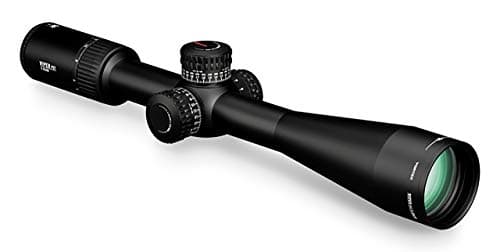
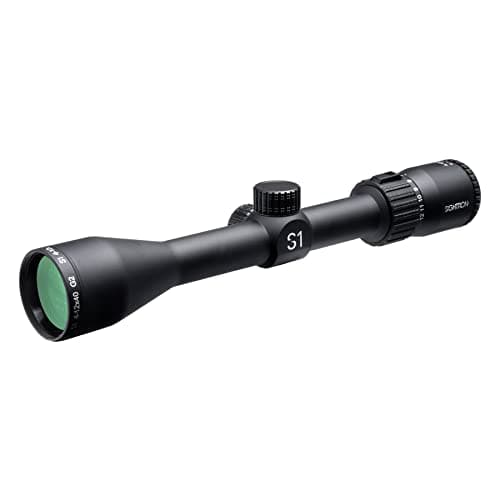
These two brands sell into the same shelves and they are not competing on the same things. Vortex sells warranty, availability and reticle features. Sightron sells glass. Which one wins depends entirely on how much you are spending.
I own both, which is the only reason this comparison is worth reading. Sightron got my precision money — a SIII 8-32x56 on the Remington 700 — because at that end the glass is the best you can buy for the price and the brand is badly underrated for it. Vortex got my versatile money — a Viper PST 6-24 on the LR-308 and Strike Eagles on the ARs — because they are excellent for the price, the reticle designs are the most current in the bracket, and the warranty matters in the real world rather than on a spec sheet. That split is not a compromise; it is the answer this page arrives at.
The two things that decide every pairing
The warranty gap is real and it is asymmetric
Vortex's VIP warranty is unconditional: their own page says it does not matter how it happened, whose fault it was, or where you bought it. Exclusions are loss, theft, deliberate damage and cosmetic damage.
Sightron's is a limited lifetime warranty — failure due to workmanship or materials, with accidents, misuse and abuse excluded, and electronics covered for two years rather than for life.
Both are good warranties. They are not the same warranty. And the difference matters far more on a $200 scope, where a warranty claim is the difference between a repair and a bin, than on a $1,400 one you were always going to get serviced.
The glass gap is real and it goes the other way
Sightron's SIII and SV lines are built in the company's Japanese facility and they out-glass their price bracket consistently. That advantage does not exist at the entry level, where Sightron's S1 and SII lines come from the Philippines plant. Read the Sightron brand guide if you want the full picture on that split.
Entry tier, around $150-$250: Vortex
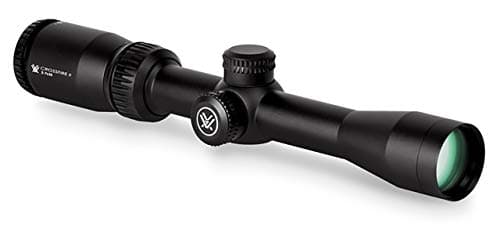
The Sightron S1 4-12x40 is the better-built object. The Vortex Crossfire II 4-12x44 is sixty dollars cheaper, has a larger objective, and carries a warranty that will replace it if you run it over.
At this price the warranty is the deciding factor, and it is not especially close. Vortex wins.
Middle tier, around $400-$800: it depends on your budget, not your preference
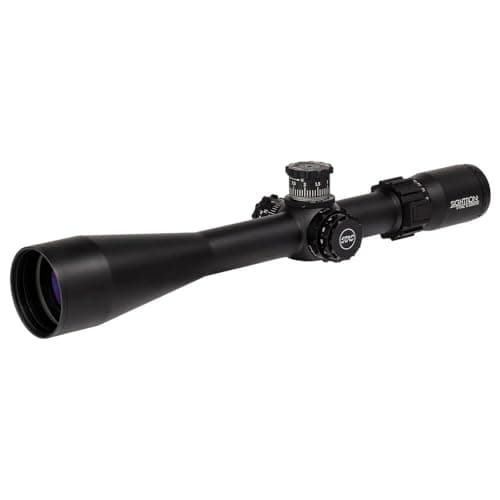
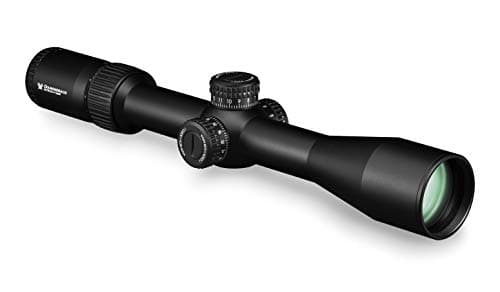
The Sightron S-TAC 4-20x50 FFP has a zero stop and an illuminated reticle. The Vortex Diamondback Tactical 4-16x44 FFP has neither. On features and on glass, the Sightron is plainly the better scope.
It also costs twice as much. If your budget is four hundred dollars, the honest answer is the Vortex and there is no version of this comparison where it is not. Sightron wins on merit; Vortex wins on money.
Top tier, around $1,000-$1,400: Sightron
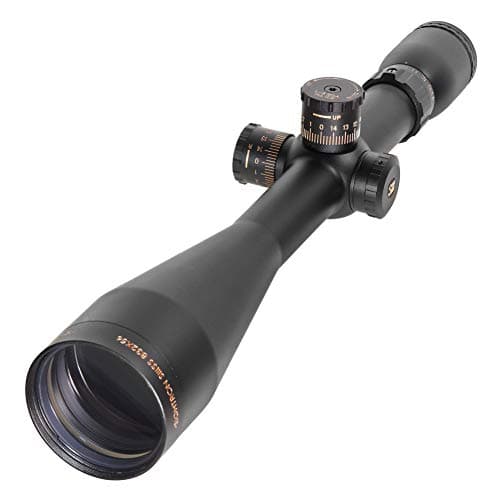
The Sightron SIII LR 8-32x56 is optically the better scope than the Vortex Viper PST Gen II, and you can see it. The Viper is three hundred and sixty dollars cheaper, has first focal plane where the Sightron here is second, has an illuminated tree reticle, and carries the unconditional warranty.
If you are buying glass, buy the Sightron. If you are buying features, buy the Vortex. For a target rifle, Sightron wins. For a practical precision rifle, the Viper's reticle and focal plane are worth more than the glass gap.
The pattern
Vortex's advantage shrinks as the price goes up, and Sightron's grows. That is because a warranty is worth a fixed amount of money and glass quality is worth a percentage. Somewhere around the eight-hundred-dollar mark the lines cross.
The other thing to weigh: Sightron's Amazon presence is thin. Almost every SIII listing showed one or two in stock at the last check. Vortex is available everywhere, always. For some buyers that alone settles it.
Both brands also have to compete with everyone else, which is a different page and a more useful one if you have not already decided to buy a Sightron or a Vortex: best long range rifle scopes ranks seven precision scopes across four makers, and best scope rings and mounts covers the hardware neither brand sells you with the scope.
Two brands is the useful comparison when you have already narrowed it to these two. If you have not, the full brand ladder adds Leupold, Athlon, Bushnell and the point below which the no-brand tier stops being a bargain.
Deciding between them
Ask what a failure would cost you
If a broken scope means a ruined hunt a thousand miles from home, the unconditional warranty and the prepaid label are worth real money. If it means a mildly annoying month, buy the better glass.
Illuminated? Then note the two-year clock
Sightron covers electronics for two years, not for life. Vortex's VIP warranty does not carve electronics out. On an illuminated scope that is a genuine difference in what you are buying.
Reticle style is a real preference, not a spec
Vortex builds dense tree reticles with wind holds. Sightron builds traditional mil-dots, MOA-2s and target dots. If you hold for wind rather than dialing it, the Vortex reticle is worth more to you than a glass upgrade. If you dial everything, the clean Sightron reticle obscures less of the target.
Buy the focal plane, not the brand
Both companies sell FFP and SFP across their ranges. Choosing a brand and then accepting whatever focal plane that model happens to be is backwards. Decide FFP or SFP first — our Diamondback vs Viper page covers the trade — then compare.
Check stock before you plan around a Sightron
Single-digit stock counts are normal for this brand on Amazon. If a specific SIII model is what you want, buy it when it is there, or go through a dealer who can order it.