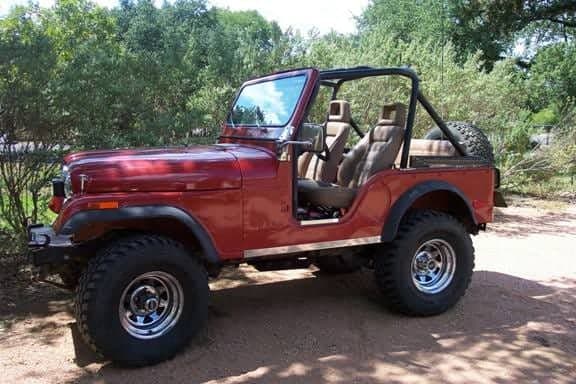
Before the 4Runner there was a green ZJ, and before the ZJ there was a red CJ5. Same instinct every time — buy the honest one, then start changing things.
We earn a commission when you buy through our Amazon links, at no extra cost to you. It never changes the order of the picks, and we say so when the cheaper thing is the better buy. How this works.
There have been three of these now, and looking back they are obviously the same decision made three times.
A 1978 Jeep CJ5 first — the open one, the loud one, the one that started it. That got sold to buy a 1996 Jeep Grand Cherokee, the ZJ, which is the one I did the most to. And the ZJ eventually became the 4Runner that is in the driveway now. Each one was bought honest and cheap and then quietly changed until it did what I wanted.
This page is the middle one, and the links out to the rest.
The ZJ as it ended up: green, lifted, sitting on black steels and 31s, with every piece of the lower cladding sprayed in bed liner. One of the owner's favorite shots of it.
The ZJ, in specifications
Here is what it actually was, which is a more modest list than the photographs suggest and that is rather the point:
1996 Jeep Grand Cherokee Laredo, 4x4. The mainstream ZJ, not the Limited and not the 5.9.
NP242 transfer case. The selectable one — full-time all-wheel drive for the road and a proper part-time 4WD position for when you need it. On a ZJ this is the transfer case to want.
3.5in Iron Rock Offroad Benchmark lift.IRO are a specialist ZJ vendor and there is no affiliate link here — that is a plain mention because it is what was on the vehicle.
15x8 Cragar Soft 8s, 4in backspacing. Black steel, the classic answer.
31in Goodyear Wrangler DuraTracs. The tire that does mud and pavement about equally well and complains about neither.
Three and a half inches and 31s is a genuinely usable combination rather than a photogenic one. It clears without cutting, it does not need a driveshaft conversation, and it drives to work on Monday.
Head on, wet morning. The seven slots are the whole reason the auxiliary lights ended up where they did — there was somewhere to put them that did not involve a bar on the bumper.
The bed-liner cladding job
A ZJ's lower cladding is gray plastic that sun-fades to a chalky nothing, and by the time I had it the fenders and bumpers looked exactly as old as they were. Spray-on truck bed liner turned out to be the answer.
The process, honestly, was not complicated:
Degreaser and a rag on everything first. That is the whole prep step and it is the step that decides whether the coating is still on in two years.
Both bumpers came off and got painted off the vehicle, on a bench, where you can get at every edge and there is nothing to mask.
Everything still attached got masked — and I masked about a foot of space back from every edge where there was paint, because bed liner overspray carries much further than you expect it to.
Then bed liner on all of it: the cladding, the fenders, the grille and the emblems.
They turned out okay. That is my honest verdict and I am leaving it there rather than dressing it up — this is a spray can and a Saturday, not a paint booth. From ten feet it looks deliberate and tough, which is exactly what it was for, and the texture hides a multitude of things that paint would have shown up.
The 4x4 badge and the filler door. Emblems went black along with everything else, which is a small thing that pulls the whole back end together.
Parked up. Every black surface below the beltline on this thing is bed liner out of a can.
The day the beach won
Dug in to the axles on the sand, roof basket and spare and all. Every rig that gets used properly has one of these photographs, and anybody who says otherwise has a rig that stays on pavement.
The two write-ups
Two jobs on the ZJ got documented properly at the time, as threads on JeepForum, because the guides that existed were missing the pictures I wanted before I started. Both are on this site now, in full, in my words:
The headliner replacement guide — a sagging ZJ headliner, four yards of vinyl, three cans of adhesive and the two hidden screws I broke a light housing by not knowing about. The single most useful page on this site if you own an older vehicle with a drooping roof.
Auxiliary lights behind the grille — five-inch rounds in a three-inch gap, a $18 piece of bar from Home Depot, some grille plastic cut away that I would not do lightly, and about $60 all in.
And before it, the CJ5
The ZJ was bought with the money from selling the Jeep before it, which was a 1978 CJ5 — AMC 304, a four-to-one low range in it, and no roof to speak of. That one has its own short page, because it deserves one.
The one that started all of this.
Every dollar figure on this page is what I paid at the time, which was years ago now. They are here because the ratios are still useful, not because they are current prices. The only live numbers on this site are on the buy buttons.
The wheel that has been the right answer on a lifted Jeep for forty years. Black steel, cheap to replace when you bend one on a rock, and it does not pretend to be anything else.
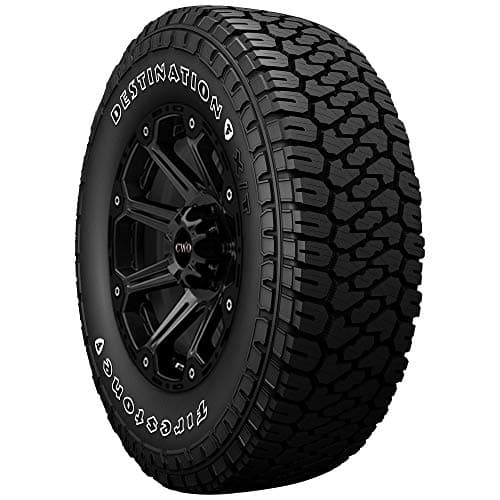
The DuraTracs my ZJ ran are no longer listed in this size through the store we link, so this is the closest current tire we could verify: a 31-inch light-truck all-terrain in the same price bracket. It is not the tire that was on my truck, and this card does not pretend otherwise.
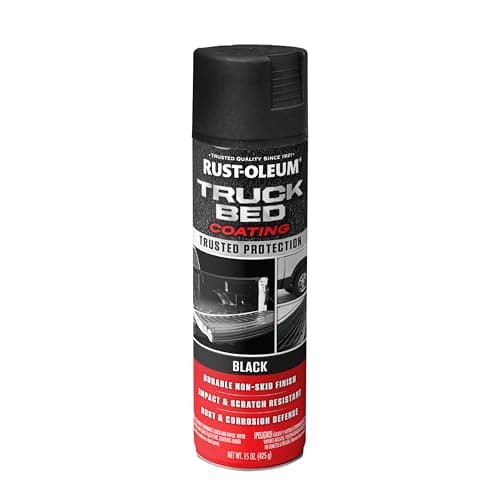
Aerosol bed liner is how you make forty-year-old gray plastic cladding look deliberate again. The texture hides everything and the finish is far tougher than paint.
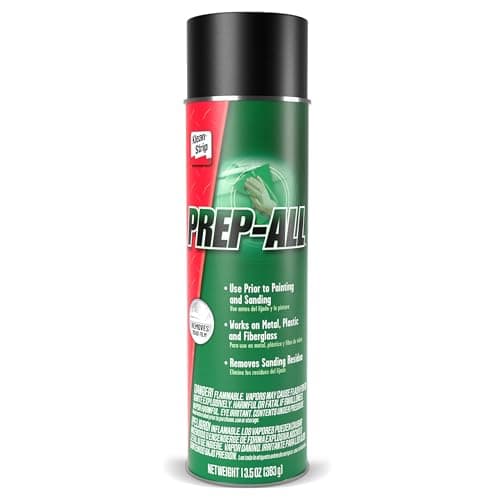
Every coating failure is a prep failure. Degreaser and a rag is the whole preparation step, and skipping it is how bed liner peels off cladding in sheets a year later.
#ad · Live prices from the Amazon Creators API, as of October 19, 2026. Where we have no verified live price we show none — a gap beats a number that has rotted.
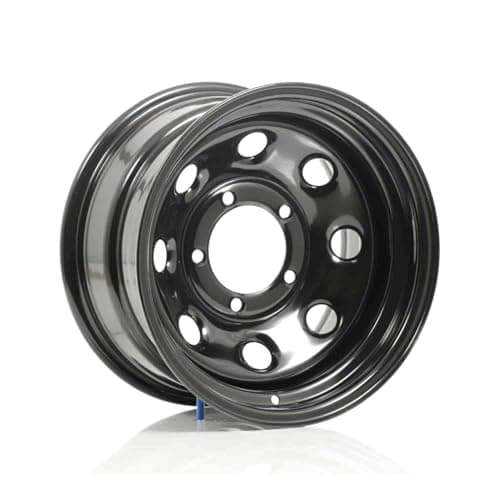
These are the wheels that were on my ZJ — 15x8 Cragar Soft 8s with 4 inches of backspacing, which is exactly this listing.
15in x 8in5 x 5.5in bolt circle4in backspacingBlack steel
8.3/10
The wheel that has been the right answer on a lifted Jeep for forty years. Black steel, cheap to replace when you bend one on a rock, and it does not pretend to be anything else.
Durability
9
Fitment options
9
Weight
5
Value
10
What's good
+Steel bends where aluminum cracks, which on a trail rig is the failure mode you want
+Four-inch backspacing pushes the wheel out enough to clear a lifted suspension without needing spacers
+Cheap enough that replacing a damaged one is an inconvenience rather than an event
What's not
−Heavier than aluminum, and unsprung weight is the worst place to carry it
−Steel rusts where the coating gets chipped, which on a trail rig is immediately
−Sold individually, so budget for four or five
Skip it if…
…the vehicle is mostly on-road. The weight penalty is real and you are buying it for a durability advantage you will never collect on.
Price as of October 19, 2026. Prices move — Amazon's is the one that counts.
#ad · we may earn a commission from this link to Cragar Soft 8 Steel Wheel, 15x8, 5x5.5, 4in Backspace
02
Best all-terrain tire
Firestone Destination X/T, 31x10.50R15LT
31x10.50R15LTLoad range C, 109RAll-terrain3PMSF severe-snow certified
7.5/10
The DuraTracs my ZJ ran are no longer listed in this size through the store we link, so this is the closest current tire we could verify: a 31-inch light-truck all-terrain in the same price bracket. It is not the tire that was on my truck, and this card does not pretend otherwise.
Off-road grip
7
Road manners
7
Tread life
7
Availability
9
What's good
+Three-peak mountain snowflake certification, which is a tested severe-snow rating rather than a marketing adjective
+The same 31x10.50R15 size the ZJ ran, so the fitment described on this page carries over
+Made by Bridgestone Americas, per the listing, so warranty and replacement go through a major tire maker
What's not
−Not the tire that was on my ZJ — this is the current equivalent, not my experience
−Among the pricier 31s we found; budget all-terrains in this size cost roughly half at the last check
−The listing publishes almost no tread detail, so we cannot tell you how it compares off-road
Skip it if…
…you never leave pavement. A road-biased all-terrain is quieter, lasts longer and costs less.
I sprayed bed liner on the ZJ's cladding, the fenders, the grille and the emblems, and it turned out okay. I am claiming the METHOD, not this specific can — I did not record the brand I used.
AerosolTextured black finishFor metal and plasticExterior durable
7.3/10
Aerosol bed liner is how you make forty-year-old gray plastic cladding look deliberate again. The texture hides everything and the finish is far tougher than paint.
Durability
9
Forgiveness
10
Reversibility
2
Value
8
What's good
+Texture is enormously forgiving — it hides scratches, sun-faded plastic and less-than-perfect prep
+Far more abrasion resistant than paint, which is the whole point on cladding that takes brush and rock
+Aerosol means no gun to clean, and you can do a bumper on a bench in an afternoon
What's not
−Overspray travels further than you expect — mask a good foot beyond the edge, which is what I did
−Texture is essentially permanent; getting back to smooth means stripping
−Multiple cans for a full set of cladding, and cans are not cheap by volume
Skip it if…
…the surface is body paint you might want back. This is a one-way door on anything you spray it on.
Wax and grease removerAerosolFor metal, plastic and fiberglassFast flash
8.3/10
Every coating failure is a prep failure. Degreaser and a rag is the whole preparation step, and skipping it is how bed liner peels off cladding in sheets a year later.
Effectiveness
10
Speed
9
Coverage
6
Value
8
What's good
+Removes the silicone and wax residue that ordinary cleaners leave behind, and that residue is what coatings fail on
+Flashes off fast, so you are not waiting to spray
+Safe on the plastic cladding this job is mostly about
What's not
−Solvent — gloves and ventilation, not optional
−Needs a clean rag per panel or you are just moving contamination around
−One can does not go far on a full vehicle's worth of cladding
Skip it if…
…the parts are genuinely new and clean. Even then, a wipe costs nothing against a coating that lifts.
Backspacing decides where the tire sits in the arch, and on a lifted vehicle it decides whether it rubs. Four inches on a 15x8 is a well-trodden combination on this platform. Copying a known-good number is far safer than working it out from first principles.
Buy the tire size the lift is for
Thirty-ones on three and a half inches clears without cutting. Going bigger starts a conversation about fender trimming, gearing and driveshaft angles that costs a great deal more than the tires did.
Prep is the whole bed-liner job
Degreaser and a clean rag, and mask further back than feels necessary. Coatings do not fail because the coating was bad, they fail because something was still on the plastic.
Take the bumpers off
Anything you can unbolt and spray on a bench comes out better and takes less masking than the same part done in place. Bumpers on a ZJ are a handful of bolts.
How these were picked
2 of these are mine. The rest are research, and I say which is which.
Anything carrying the "I run this one" stamp above is gear I actually own and use, and I write about it in those terms. What I do not do is invent numbers to dress that up — there are no group sizes, round counts or chronograph figures on this site, because I did not record them. For everything without the stamp: I read the manufacturer's published specification, compile the numbers that decide the purchase, do the arithmetic in the open, check the live price, and name one product to skip. Those scores are judgments against a published rubric, not measurements I took.
Questions
Frequently asked
What was the ZJ's build?+
A 1996 Grand Cherokee Laredo 4x4 with the NP242 transfer case, a 3.5in Iron Rock Offroad Benchmark lift, 15x8 Cragar Soft 8 steel wheels with 4in backspacing, and 31in Goodyear Wrangler DuraTracs. Modest on paper and genuinely usable in practice.
Can you still buy the DuraTracs the ZJ ran?+
Not in 31x10.50R15 through the store this site links — the listing we used is no longer available, and we could not find a live one in that size. The tire card on this page now links the closest current equivalent we could verify, a Firestone Destination X/T in the same size. It is not the tire that was on my truck, and the card says so.
Can you spray bed liner on Jeep cladding?+
Yes, and it is a good answer for sun-faded gray plastic. Degrease everything first, take off whatever you can and spray it on a bench, and mask roughly a foot back from every painted edge because the overspray travels. Mine turned out okay — the texture is forgiving and it is far tougher than paint.
Why is there no affiliate link for the lift?+
Because Iron Rock Offroad is a specialist ZJ vendor and is not sold through the channel this site monetizes. That is a plain mention of what was on the vehicle and we earn nothing from it.
What happened to the CJ5?+
Sold, to buy the ZJ. Which is how the whole sequence works — each rig funded the next one. There is a short page about it.
We do not run a testing lab and we do not pretend to. Where a measured number came from a manufacturer's published specification or someone else's lab, we name them and link them. Where we could not verify something, we say so on the page rather than quietly leaving it out. Read the full method.