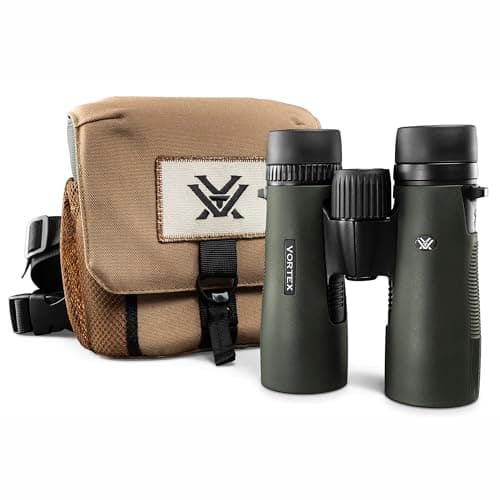
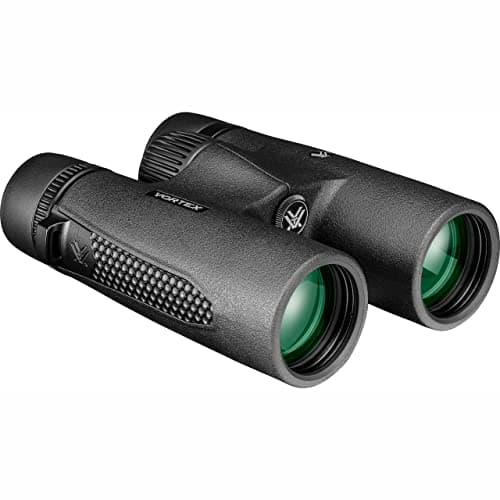
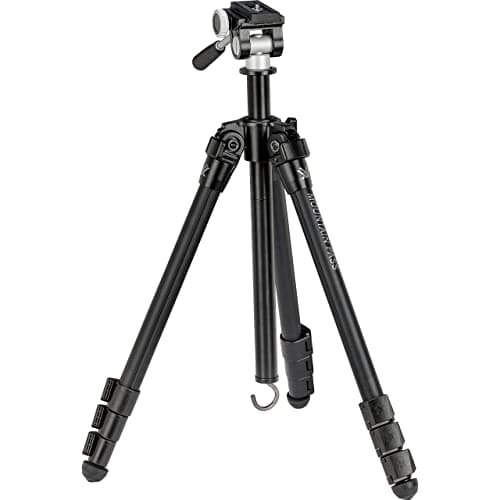
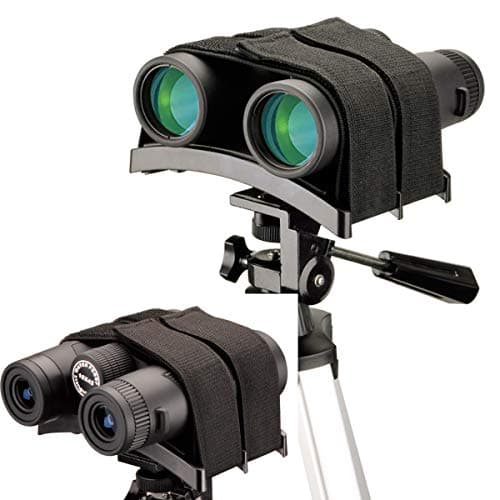
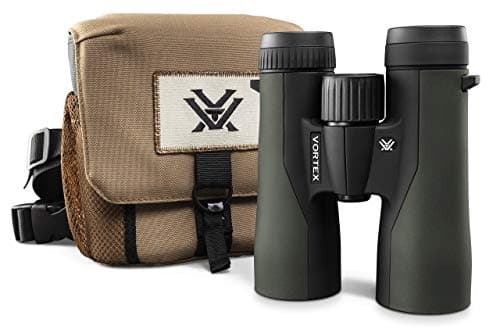
The verdict first: buy the Vortex Crossfire HD 10x42 and spend what you saved on a tripod. That is the recommendation for essentially every western hunter who is not already carrying premium glass, and it is not a budget compromise — a mid-tier binocular held still finds more animals than a better binocular shaking in your hands. If you glass mostly in the last half hour of light, step up to the Diamondback HD. If you already own binoculars you are happy with, the single best thirty dollars you can spend is an adapter to put them on a tripod.
This site already has a hunting binocular roundup that ranks 10x42s against each other on optical merit, and it is the right page if that is the comparison you want. This page is about the glassing system, because on an elk hunt the system is what decides whether you see the animal.
Why the tripod is the argument
At ten power, your pulse and your breathing are magnified ten times along with the hillside. Handheld, you can pick out an elk-sized animal that is moving. On a tripod, you can pick out a tan patch that is not moving, two miles away, in shadow — and that is what most elk actually are when you first see them.
The practical difference is that handheld glassing is a scan and tripod glassing is a search. A tripod lets you work a hillside in overlapping sections for twenty minutes without your arms giving out, and that is the technique that finds bedded animals. It also makes the difference between a ten-minute look and an hour-long look, which on a big basin is the difference between finding elk and deciding there are none.
If you take one thing from this page: a two-hundred-dollar binocular on a tripod beats a six-hundred-dollar binocular in your hands, for finding elk.
Power and objective: why 10x42 won
Western hunting settled on 10x42 and the reasoning holds up. Ten power is the most magnification most people can use handheld at all, and a 42mm objective is enough light for dawn and dusk without the weight of a 50mm. It is the configuration every brand builds its best value glass in, which is a practical advantage on its own.
8x42 is a legitimate alternative, and genuinely better handheld — a wider field of view, less visible shake, and more real detail resolved when you are not on a tripod. If you refuse to carry a tripod, buy 8x42 rather than 10x42 and you will see more.
12x50 and up only makes sense on a tripod, where it becomes a genuinely powerful searching tool. It is heavy and it is useless handheld. If you are going that way, commit to the tripod first.
When a spotting scope earns its weight
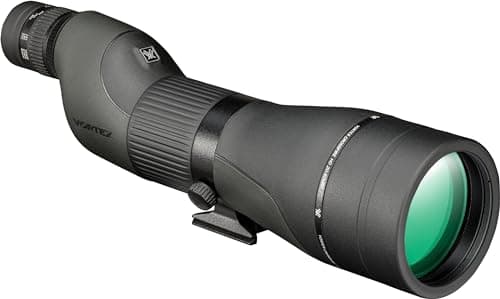
Binoculars find animals. A spotting scope judges them. The honest division of labor on a western hunt is that you glass with binoculars on a tripod until you see something, then you put the spotter on the same tripod to decide whether it is worth walking three miles for.
If you have a tag that only matters for a mature bull, or you hunt country where the walk to a wrong animal costs you half a day, a spotter pays for itself. On a general tag in timber country where you expect to be inside four hundred yards, it is weight you carry for nothing. Our spotting scope roundup is here and the tripod page covers heads and adapters properly.
The harness, and the gap on this page
A chest harness is the right way to carry binoculars hunting: it keeps them accessible, stops them swinging into your sternum on a climb, and keeps them out of the dirt when you crawl. Anyone who has hunted with binoculars on a neck strap for a week will tell you the same.
We link no binocular harness on this page, deliberately. No harness has ever been resolved into this site's product registry against a verified live listing, and we are not going to hand-write one to fill a slot. What to look for: a closed front flap rather than open elastic, a size matched to your binocular's objective, and attachment points for a rangefinder so you are not carrying two pouches. Buy it from a hunting retailer who will let you try your own binoculars in it.
Glassing technique, which is free
The gear only matters if the method does. Sit down, get the binoculars on the tripod, and work the hillside in a grid — left to right along a band, then down one field of view and back. Look for pieces of animals rather than animals: a horizontal line in vertical timber, a patch of tan that is a shade wrong, an ear. Give each basin twenty minutes before you decide it is empty, and glass in the first and last hour, which is when elk are on their feet.
The whole trip kit, including what this page deliberately leaves to the pack earner, is on the western elk hunt page, and the rifle optic is on the elk scope page.
Buying notes
Buy the tripod head as carefully as the legs
A ball head is fine for a binocular and frustrating for a spotter; a fluid pan head makes working a hillside smooth and makes a spotter usable. If the tripod will eventually carry both, buy the pan head.
Check the adapter matches your binocular
Most full-size binoculars have a threaded socket under a cap between the barrels, and a standard adapter screws into it. Compact and some lightweight models do not have one, which makes them a poor choice for tripod glassing regardless of their optics.
Weight is a real constraint, honestly assessed
A carbon tripod and a 10x42 binocular is a reasonable load. A heavy aluminum tripod, 15x56 binoculars and a spotting scope is a decision to hunt from one spot, which is sometimes right and should be chosen on purpose.
Clean the glass properly or do not bother
A smeared lens costs you more low-light performance than a tier of glass quality buys you. There is a right way to do it and a shirt tail is not it.