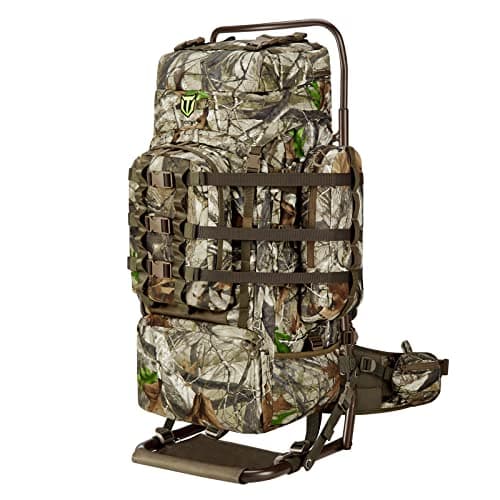
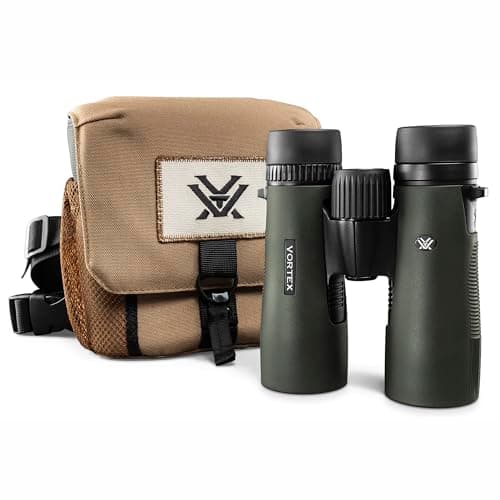
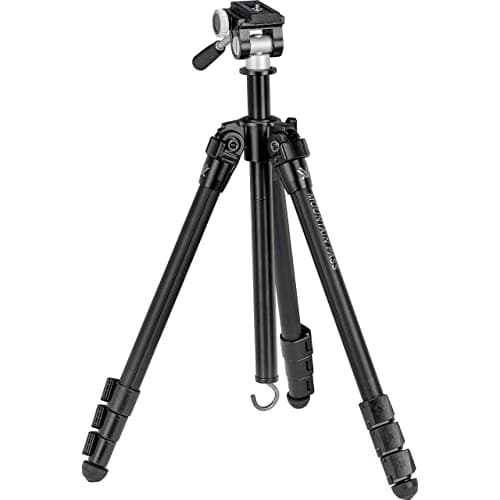
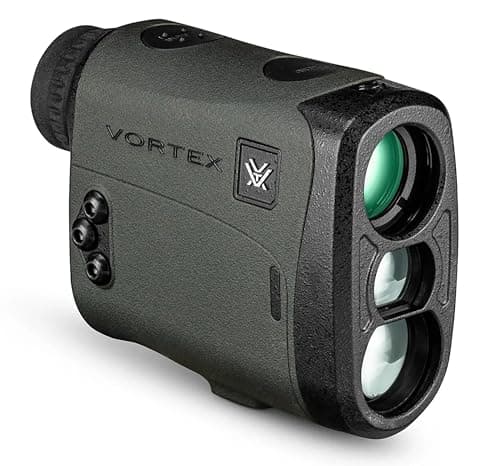
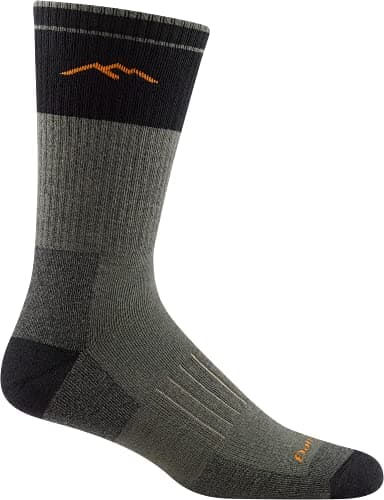
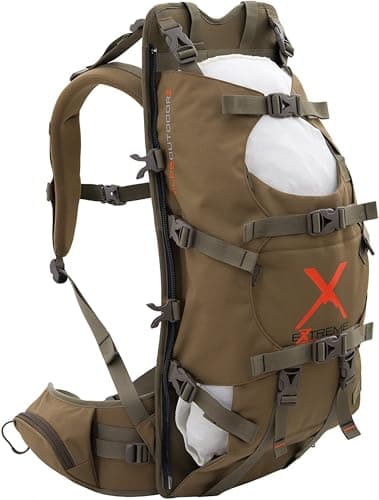
The verdict first: the one purchase that decides whether a western elk hunt works is a pack with a real load-hauling frame, and the ALPS OutdoorZ Extreme Commander X is the one to buy — it is for the hunter going west for the first time who has to get an animal out on his back, possibly alone. Second most important is glass you can rest on something: the Vortex Diamondback HD 10x42 on the Mountain Pass tripod. Third is game bags sized for elk quarters, which you will not find in a small town on a Sunday.
And read the regulations before you read gear lists. Tags, draws, units, season dates, wilderness rules and whether you need a guide are set by the state agency and nobody else. That is the part that determines whether you hunt at all; this page only covers what you carry.
Why a whitetail kit fails out west
The difference is not toughness. It is scale, and it changes three specific things:
- You find animals with your eyes, not with a camera. Whitetail hunting is often a patterning problem solved with a trail camera and a stand. Elk hunting in open country is a glassing problem: you sit down somewhere high and look at a basin for an hour. Handheld binoculars shake, and after twenty minutes you stop seeing things. Binoculars on a tripod find animals that handheld binoculars do not. That one change does more for an elk hunt than any other item here.
- The distances are longer, and so is the terrain error. Judging four hundred yards across a canyon with no trees for scale is not something anyone does reliably. A rangefinder is not a luxury here, and the honest version of that argument is on its own page.
- The animal is five times the size and you are miles from the truck. A bull elk is several hundred pounds of boned meat. It does not fit in a cooler, it does not come out whole, and it will not wait while you drive home for bags. That is a pack problem, a bag problem and a time problem all at once.
The pack, and the honest two-pack answer
You need a pack that carries a quarter. That is a frame pack with a load shelf or a meat-hauling panel — not a 30-litre daypack with compression straps.
The Commander X is here because it does both jobs in one: a frame that will haul, and a removable bag so the frame can carry a load on its own. The TIDEWE 90L external frame is the cheaper answer and it is a genuine one — an external frame hauls meat extremely well and is uncomfortable to hunt out of all day. Plenty of experienced western hunters own a light daypack for hunting and a dedicated frame for hauling, and leave the frame at camp or at the trailhead until it is needed.
Our full pack roundup ranks the category properly, and how to pack it matters nearly as much as which one you buy — a well-loaded cheap pack beats a badly loaded expensive one.
Game bags: buy more than you think, before you leave
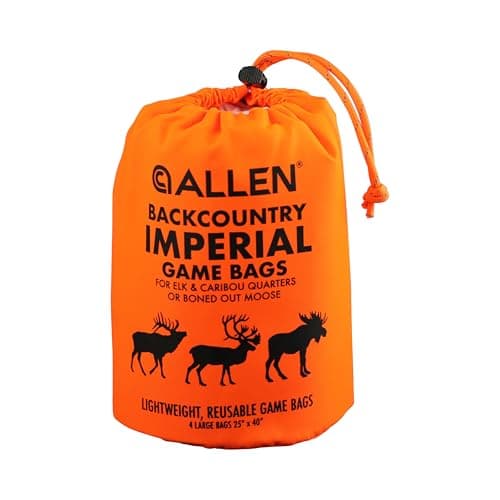
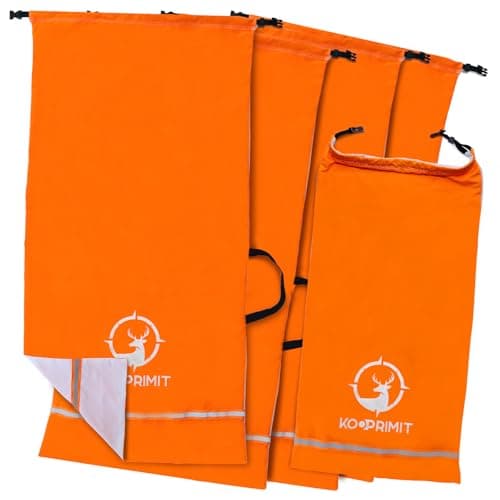
An elk needs four quarter bags at minimum, and most people want five or six so the loose meat, neck and trim have somewhere to go. Bags do three things: they keep dirt and flies off, they let the meat cool by breathing, and they give you something to tie to a pack frame.
Buy them at home. This is the single most common western-hunt supply failure: the hunter who gets an elk down on day six and discovers the only store within ninety miles sells two deer-sized bags. The Allen backcountry quarter bags are the ones to buy for elk-sized quarters; the ultralight set is light enough that you carry it every day on the chance you need it, which is the point.
Getting the animal cool is the whole job after the shot. Skin it, quarter it, get the bags off the ground and into shade and moving air, and then move it. The game bag roundup goes through materials, and the cooler page covers what happens once it reaches the truck — and for an elk the answer is usually more cooler than anyone expects.
Glass, and the tripod nobody budgets for
Ten-power binoculars are the right choice for open country, and a 42mm objective is the sensible size — bigger glass gathers more light and gets heavy fast. The Diamondback HD is where the glass stops being the limiting factor at a price a first-time western hunter can justify.
Then put it on a tripod. A tripod turns twenty minutes of glassing into two hours of glassing, because your arms stop being involved. The Mountain Pass kit is light enough to carry and tall enough to use sitting, and a binocular adapter is a twenty-eight-dollar part that completes the system. If you are going to leave one thing off this list, do not make it this.
A spotting scope is the next step up and it is genuinely a different tool — it is for judging an animal you have already found, not for finding one. That roundup is here, and for a first elk hunt it is optional in a way the binoculars and tripod are not.
The category we are not going to recommend
Boots. Every hunting boot in this site's registry is insulated — 800 gram and up — because those are the boots that get bought for sitting in a stand in November, which is what our boot roundup is about.
An archery elk hunt in September is the opposite problem: fifteen miles of walking a day in warm weather, where insulation makes your feet sweat and sweat causes blisters. What you actually want is an uninsulated or lightly insulated mountain boot with a stiff shank and a well-broken-in fit, bought from somewhere that will let you walk around in several pairs.
We are not going to link one, because we do not have a verified listing for the right thing, and pointing you at an 800-gram pac boot because it is what we have on the shelf would be worse than saying nothing. Buy boots locally, buy them months early, and walk hills in them before you fly.
What we will say about feet: good socks are the cheapest insurance on the trip. The Darn Tough boot socks are on this list for that reason and for no other.
What you can leave at home
Trail cameras, ground blinds, deer carts and most scent control. A cart needs a trail; elk country mostly does not have one. Cameras are a patterning tool for an animal that lives in one place, and elk do not. And the preseason-prep routine that works for whitetails — which we cover properly here — is mostly about a property you can scout for months, which a nonresident elk hunter cannot.
Spend that money on physical preparation instead. The limiting factor on a first western hunt is almost never the gear.
Buying notes
Buy the pack first and carry weight in it
Load it with sixty pounds and walk hills before the trip. A pack that fits badly is only discoverable under load, and the one place you do not want to discover it is five miles in with a quarter on the frame.
Count your game bags for an elk, not a deer
Four quarters, plus loose meat, plus the neck. Five or six bags, bought before you leave, because the shop near the trailhead will not have them when you need them.
A tripod adapter is not optional
Binoculars do not attach to a tripod by themselves. The adapter is under thirty dollars and it is the part everybody forgets, which turns a tripod into dead weight.
Rangefinder before spotting scope
If the budget stops, stop at the rangefinder. Knowing the distance changes whether you take the shot; a spotting scope mostly changes whether you take it at this animal or the next one.
Buy boots in person, early
See the section above. This is the one item on an elk hunt where mail order is a genuinely bad idea, and the one we deliberately do not sell you.