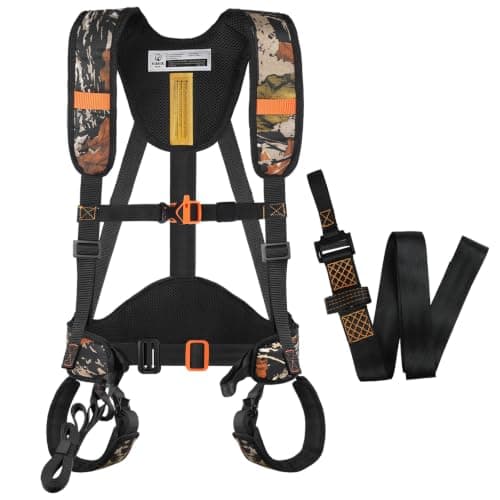
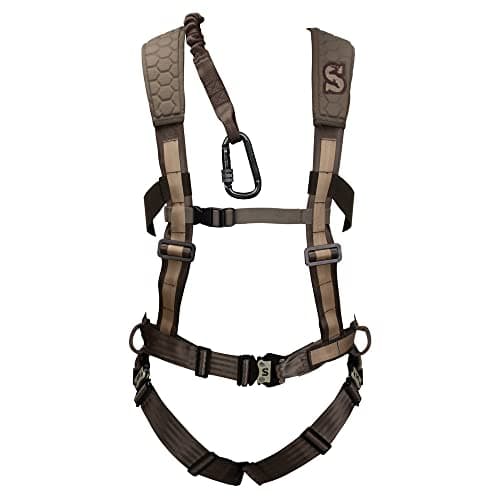
Wear a harness. That is the first line of this page and it will not be softened. Wear it from the moment your feet leave the ground, including on the climb, which is when a large share of stand falls happen. Everything else here is comfort. This is not.
With that said: comfort is what decides how long you sit, and how long you sit is what decides whether you see anything. A hunter who quits at 9 a.m. because his feet went numb has hunted for two hours, not five.
The kit below is organized by how you actually lose heat when you are not moving — into the seat, out of your hands, and off any skin the wind can find.
The loss nobody accounts for: the seat
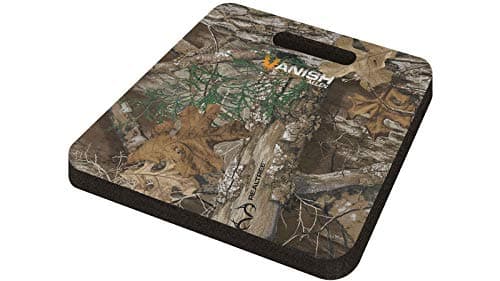
Conduction into a freezing metal or mesh stand seat pulls heat out of you far faster than the air does, and it does it from the part of you with the least insulation over it. A dollar-per-year piece of closed-cell foam fixes it. This is the highest-return item on the page after the harness.
Hands: warm and bare beats thick and gloved
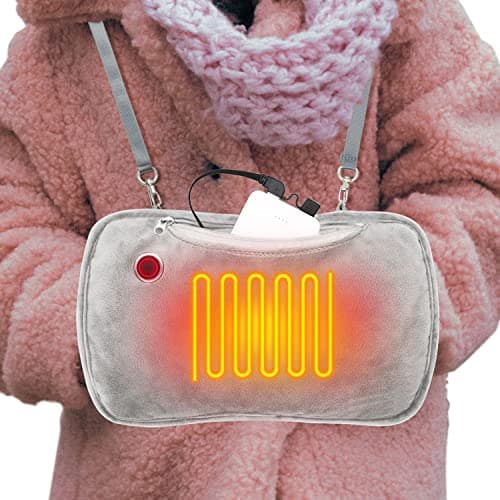
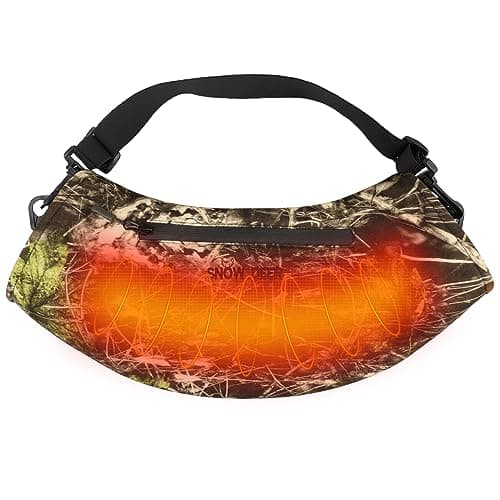
A thick insulated glove keeps your hand warm right up until you need to operate something, at which point it comes off and stays off. The system that works is a thin liner glove plus a heated muff or warmer pouch, so the shooting hand is genuinely warm and free.
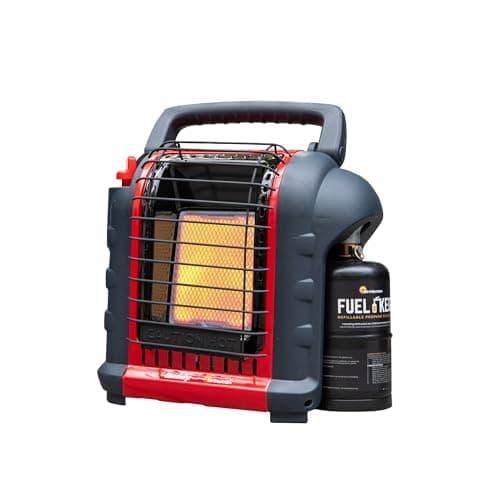
Heaters: ground blinds only
A radiant propane heater changes a cold blind completely, and it has no place in a treestand. Two rules, both non-negotiable:
- Ventilate. An open flame in a zipped blind consumes oxygen and produces carbon monoxide. Crack a window and a door, every time, regardless of how cold it is.
- Never off the ground. A combustion heater in an elevated stand is a fire you cannot walk away from, above a fall you cannot survive.
Buy a unit with both an oxygen depletion sensor and a tip-over shutoff, and follow the manufacturer's ventilation instructions rather than ours.
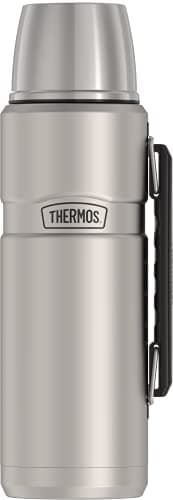
The thermos is not a luxury
Something hot at hour four does more for core temperature and morale than another layer would, and it weighs less than the layer. Forty ounces is right for a full day; half that is right for a morning.
Buying notes
The harness is the one place not to economize
Both harnesses here are real options and the cheap one is genuinely fine — the thing that matters most is that you wear it, and people wear light harnesses. But on a piece of equipment where failure is fatal, a manufacturer that builds to the Treestand Manufacturers Association standard and stands behind a warranty is worth fifty dollars.
A harness is also not a complete system on its own. The climb is the dangerous part, and a lifeline that lets you stay connected from the ground to the platform is the other half of it.
Batteries hate the cold
Every rechargeable item here loses capacity below freezing — the heated pouch, the headlamp, the rangefinder and your phone. Keep the small ones in an inside pocket until you need them, and do not plan a sit around a battery's rated runtime at room temperature.
What we would buy first, in order
- Harness. Not negotiable, not a comfort item.
- Seat pad. Cheapest real improvement on the list.
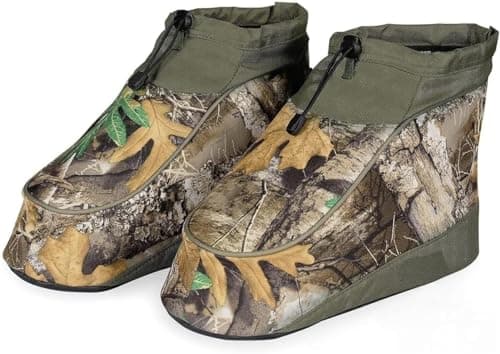
- Boot insulators, if your feet are what ends your sits.
- Thermos.
- Hand warmer.
- Heater, only if you hunt from a ground blind.
Where the pack side of this lives
How all of this rides in and out is a separate problem with its own page — how to pack a hunting pack covers load order and weight placement, and it matters more once you are carrying a heater and a full thermos.
How these were picked
I haven't handled these. Here's what I did instead.
Everyone in this category says they tested twenty of these. I haven't tested any, and I say so. What I do instead: read the manufacturer's manual and published specification, compile the numbers that decide the purchase, do the arithmetic in the open, check the live price, and name one product to skip. The scores above are judgments from that research against a published rubric — they are not measurements I took, because I do not have a lab and I am not going to pretend otherwise.