The verdict first: merino base layer, fleece mid layer, insulated bibs, and then spend your remaining money on socks and something over your face. Almost everyone buys the jacket first and the socks last, and that is exactly backwards for a hunter who sits.
The reason is arithmetic rather than opinion. A stationary body produces almost no heat, so insulation is all you have — and the places you lose it fastest are your feet, your hands, your head, and the gap at your lower back when you lean forward in a coat and pants.
One honest note about the listings below: apparel ASINs resolve to a single size and color. Pick your own size on the listing. We are naming the garment, not the size that happened to resolve.
The system, from skin outward
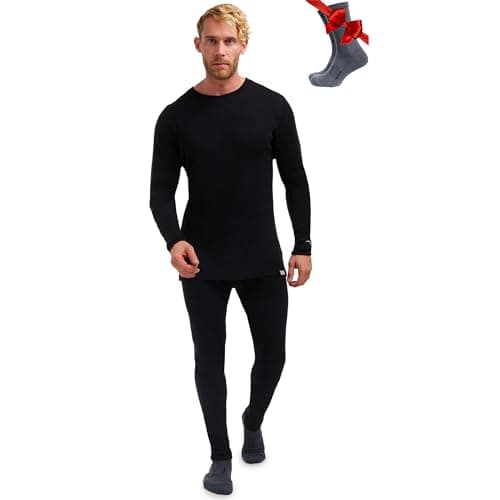
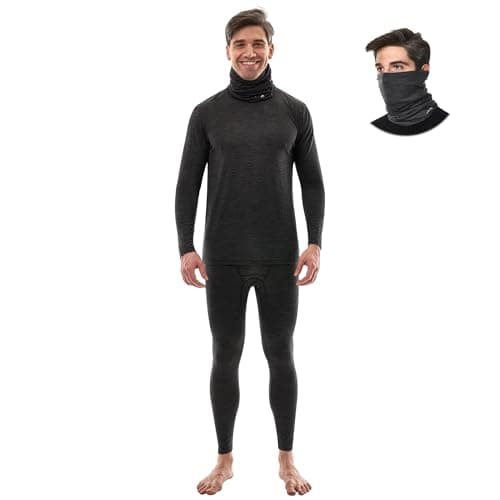
1. Base layer: merino, midweight
The base layer's job is moving moisture off your skin, not insulating. Merino does that while still working when damp, and it resists odor over multiple days in a way synthetic simply does not. Midweight is the right pick under bibs; heavyweight merino under insulated bibs is too much and you cannot take it off in the field.
2. Mid layer: fleece, with a zip
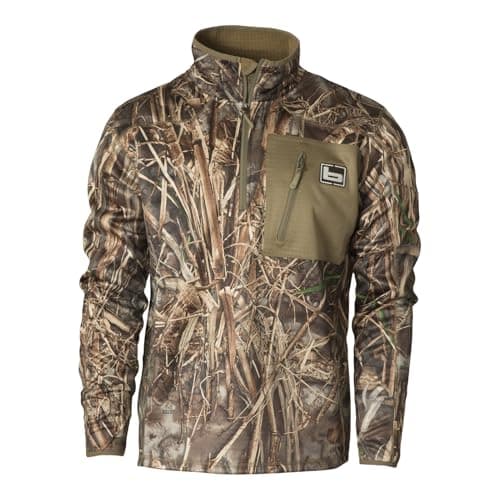
This is the layer that actually insulates. Get one with a quarter-zip so you can dump heat on the walk in without stopping to strip — arriving at the stand sweating is the single most common way a cold sit gets cut short.
Fleece over a synthetic puffy for the walk; a puffy over fleece if the whole hunt is static. Fleece keeps insulating damp and dries fast. Down does neither.
3. Bibs, not pants
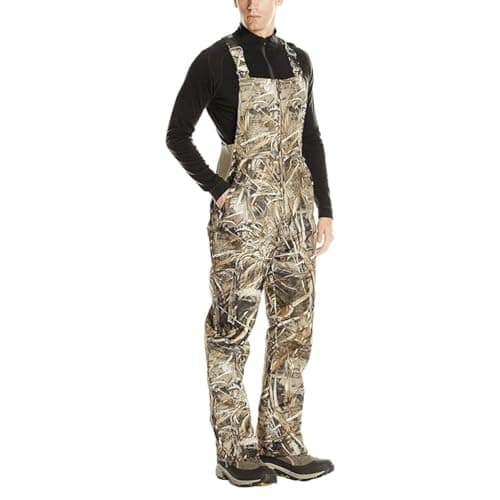
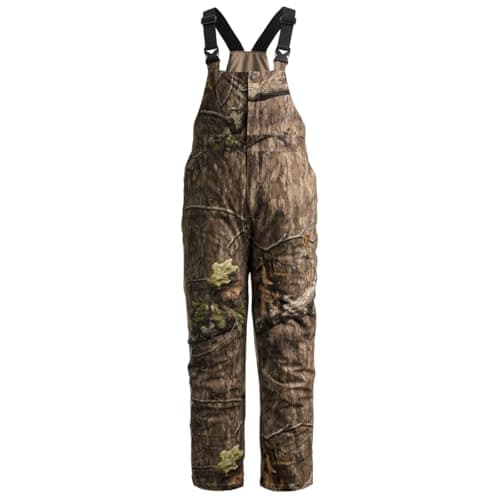
The strongest single recommendation on this page. When you lean forward in a stand, a coat rides up and trousers ride down, and the gap sits directly over your kidneys. Bibs close it. It is not a small effect — it is the difference between a four-hour sit and a two-hour one.
Insulated water-resistant bibs are enough for dry cold. If you hunt anywhere it rains at just above freezing, pay for a waterproof membrane; wet insulation is worse than no insulation, and that particular condition is the worst one in hunting.
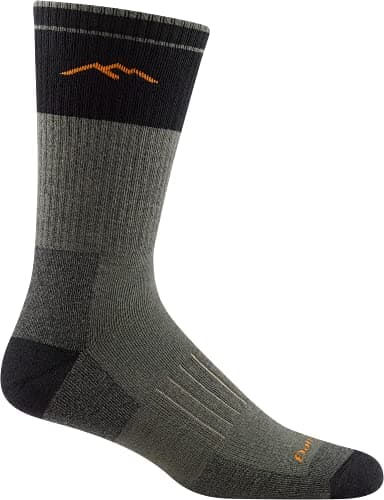
4. Socks and boots, as one decision
A heavyweight sock in a boot that already fits snug makes your feet colder by cutting circulation. Size the boot for the sock you intend to wear, not the other way around. Our hunting boot roundup covers the insulation ratings, and the short version is that a 1,600-gram boot is a specialist tool for sitting still, not an all-rounder.
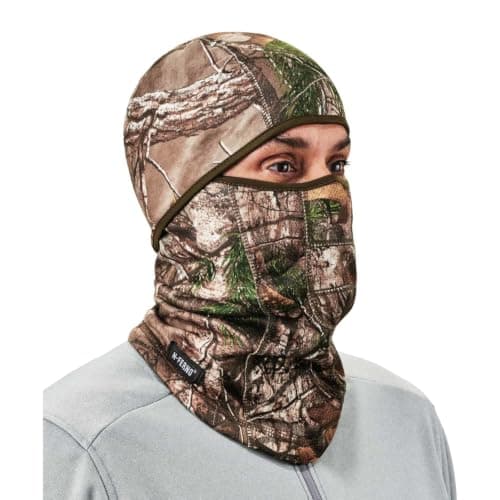
5. Hands and face
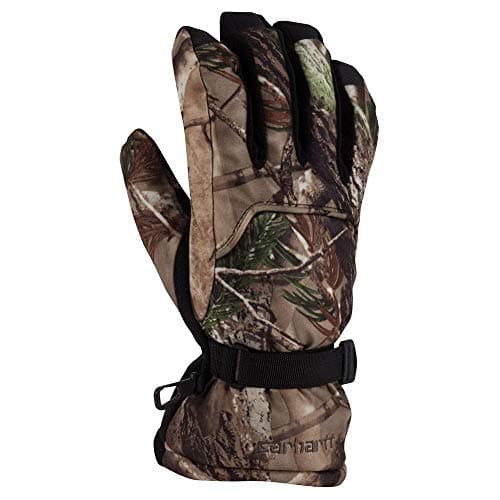
Thick gloves and a trigger are a bad combination. The system that actually works is a thin liner glove plus a heated muff or hand warmer, so the shooting hand is warm and bare at the moment it matters. A gauntlet-cuff glove is the right choice for everything that is not the shot.
What we did not re-cover here
The outer shell. If rain is the problem rather than cold, the shell is the whole decision and it has its own page: hunting rain gear.
How these were picked
I haven't handled these. Here's what I did instead.
Everyone in this category says they tested twenty of these. I haven't tested any, and I say so. What I do instead: read the manufacturer's manual and published specification, compile the numbers that decide the purchase, do the arithmetic in the open, check the live price, and name one product to skip. The scores above are judgments from that research against a published rubric — they are not measurements I took, because I do not have a lab and I am not going to pretend otherwise.