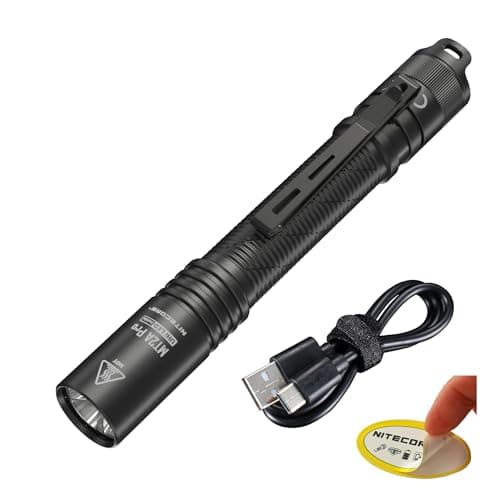
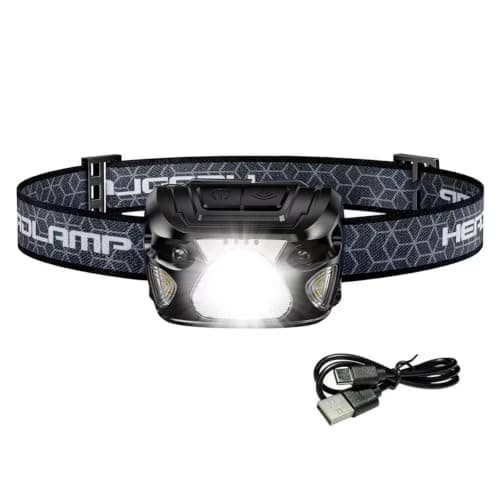
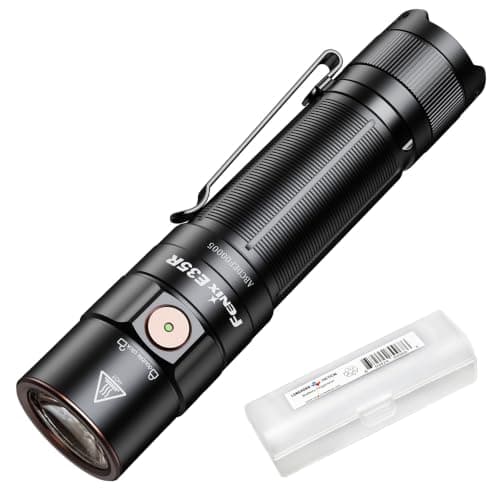
The verdict first: buy the Fenix E35R — for the household that wants one good light in a drawer that will actually be useful when the power goes out. The magnetic tail cap is the reason: it stands the light on a steel surface and turns it into a room light, which is what you need in a blackout and is never what you shop for in a store. Then buy the two-pack of headlamps, because an outage affects everyone in the house and not just whoever found the flashlight. If you live somewhere outages last days rather than hours, make the AA-capable Nitecore MT2A Pro your first purchase instead.
If what you want is a light to carry daily rather than one for emergencies, our EDC rechargeable roundup ranks the same category on pocket carry and reaches a different order — two of the picks here also appear there, judged against different criteria. And if you are not sure how much output you need, lumens and candela are explained here.
Why an outage light is a different purchase
Everyday carry optimizes for size, pocket clip and a beam that works at arm's length. An outage optimizes for four completely different things, and they are the criteria this page ranks on:
- Can it light a room without being held? You need both hands for the fuse box, the generator, the camp stove and the child. A magnetic tail cap, a flat tail that stands up, or a headlamp all solve this; a round-tailed pocket light does not.
- Will it still work on day three? A rechargeable light with a sealed cell is a light with a deadline once the power is off. Either the cell is replaceable, or the light accepts a chemistry you can buy, or you need a way to charge without mains power.
- Is there one for everybody? One light for a household is one light somebody else is walking around without.
- Will you be able to find it? The best light in the house is worthless in a drawer nobody can see. More on this below, and it costs nothing.
The battery question, answered properly
This is where outage planning actually succeeds or fails, and there are three honest strategies.
Strategy 1: a replaceable cell plus a charged spare
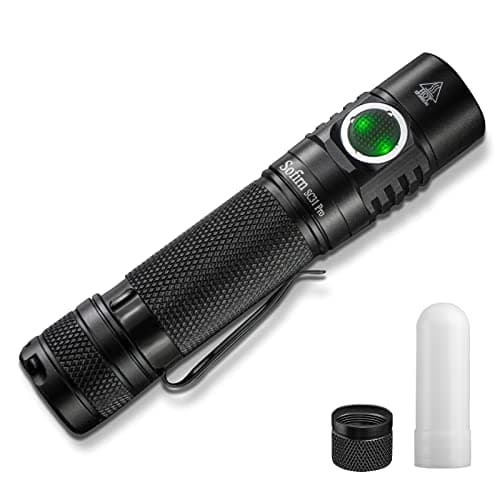
A light that takes a removable 18650 or 21700 can be brought back to life in ten seconds with a spare cell, with no power in the building at all. The Sofirn SC31 Pro is the value version of this and it also has a magnetic tail. Keep two charged spares in the same drawer and rotate them twice a year. Our cell format page covers which is which.
Strategy 2: a chemistry you can buy during the outage
The Nitecore MT2A Pro charges over USB-C and also runs on a single AA. That matters more than it looks: AA cells are sold in every gas station and hardware store in America, and they are the one power source that is still available when your house has none. This is the most robust answer on the page for a long outage and the reason it sits second rather than fifth.
Strategy 3: a charger that does not need mains power
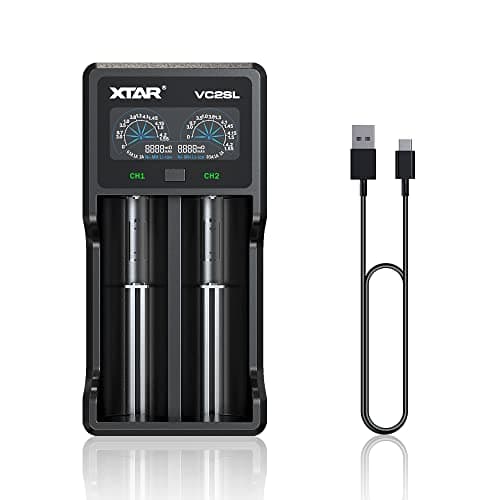
The XTAR VC2SL takes USB-C in, so a power bank or a car USB port runs it, and it can push power back out to a phone from a charged cell. That two-way path is what makes it an outage item rather than a bench item. It is the least exciting thing on this page and probably the most useful.
Headlamps are not a lesser option here
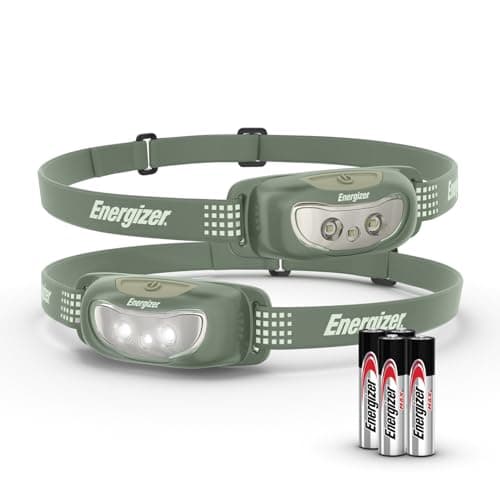
For outage work specifically, a headlamp beats a flashlight most of the time, because almost everything you do in a blackout needs both hands. The Energizer two-pack is on this page for three reasons: it is two lights rather than one, it runs on AAA cells that are included and widely sold, and it has a red mode that lets you move around without destroying your night vision or waking the room.
AAA primaries are a genuine advantage in this context, not a compromise. A rechargeable headlamp is a better headlamp right up until the fourth day. Our headlamp roundup ranks the category for camping, where that calculation runs differently.
What not to rely on
Your phone. It is a bad light and it is the device you most need to keep charged. Using it as a flashlight for one evening can cost you the communication you will want tomorrow.
Candles. Open flame in a dark house with people moving around and no working smoke alarm if that is also on the outage. A fifteen-dollar headlamp removes the reason to light one.
A light advertising specifications it does not stand behind. The generic headlamp twin pack at the bottom of our picks claims over a thousand lumens, twelve hours of runtime and a water rating, with no named manufacturer behind any of the three. An outage is the worst possible moment to discover which of those were true. Why those numbers need a standard behind them is its own page.
The free part: where it lives
Everything above is wasted if nobody can find the light. Three habits worth more than the gear:
- One agreed place, and everyone in the house knows it. A specific drawer or shelf by the door — not "around somewhere".
- One light per bedroom. The cheapest insurance on this page. A headlamp in a bedside drawer means nobody is crossing a dark house to reach the good light.
- Check it twice a year. Put it on the same date as the smoke alarm batteries. Lithium cells self-discharge slowly but they do self-discharge, and a flat light in a drawer is the standard outcome of never checking.
If this is making you think about a wider kit, our vehicle kit page applies the same logic to the other thing you hope never to need.
Buying notes
A magnetic tail or a flat tail is the feature to look for
Standing a light up, or sticking it to steel, converts a flashlight into a room light. It is the single most useful outage feature and it almost never appears in a product's headline specifications.
Buy two cheap lights before one expensive one
A household with four rooms and one excellent flashlight is worse off than one with four adequate ones. Coverage beats quality here, which is unusual and is why a two-pack is on the page.
Prefer a replaceable cell, or an AA fallback
Sealed internal batteries are fine for everyday carry and a liability in a multi-day outage. Either keep charged spares or buy a light that will take a primary cell you can actually go and buy.
Red mode is worth having
It preserves night vision, it does not wake a room, and it draws very little current. On a headlamp used around a house at night it is the mode you will use most.