Every flashlight decision that matters is downstream of the cell. Runtime, sustained output, physical size and whether you can still fix the light in five years are all set by the format the manufacturer chose. And the naming is opaque enough that most buyers never engage with it.
It is not complicated once somebody says it plainly, so here it is said plainly.
The numbers are just dimensions
18650 means a cylindrical lithium-ion cell 18mm in diameter and 65mm long. 21700 means 21mm in diameter and 70mm long. That is the entire naming convention. The trailing zero is a legacy marker for a cylindrical cell.
Those few extra millimeters matter more than they sound like they should. A 21700 has roughly forty per cent more volume than an 18650, and cell volume is capacity. In practice that means longer runtime at the same output, or the same runtime at a higher output — and, because a bigger cell can deliver more current with less internal heating, a higher sustained level before the light steps down.
What the format actually costs you
Size, and nothing else. A 21700 light is fatter in the hand and in the pocket. That is the whole trade: 18650 lights are slimmer and lighter, 21700 lights run longer and harder.
The industry has largely moved to 21700 for anything duty-sized or performance-oriented, and kept 18650 for lights where slimness matters. Neither is obsolete. If you already own 18650 cells and a charger, an 18650 light keeps you on one platform, and that is a perfectly good reason to choose one.
Protected cells, and why the word matters
A protected cell has a small circuit at one end that cuts the cell off if it is over-discharged, over-charged or short-circuited. An unprotected cell does not, and relies on the device to manage those limits.
Good flashlights have low-voltage protection built in, so unprotected cells are used safely in them every day by people who know what they are doing. But the protection circuit adds a couple of millimeters to the cell's length, which is why some lights fit protected cells and some do not — and why a cell that is "the right format" can still fail to fit. Check what the light's manual specifies.
The general guidance for anyone who is not deep in this hobby: buy protected cells, buy them from a reputable seller, do not mix cells of different ages in a multi-cell light, and do not carry loose cells in a pocket with keys or coins. The last one causes fires and it is entirely avoidable with a two-dollar plastic case.
A note on why there are chargers below and no cells: we are not linking loose lithium cells. Live searches for protected 18650 and 21700 cells through the same product API that prices everything else on this site came back almost entirely unbranded — listings titled "2 Pack Replacement Battery" with no manufacturer, no cell chemistry and no capacity you could verify. Loose lithium cells are a category where re-wrapped and over-rated cells are common and the failure mode is a fire. Buy cells from a battery specialist or from the light's own manufacturer, where the provenance is knowable. Chargers are a different matter — those are well-served by real brands and are below.
Onboard charging or a bay charger?
Onboard USB-C means charging the light with a phone cable. It is simpler, there is nothing extra to own, and it is why most people should buy a light with it.
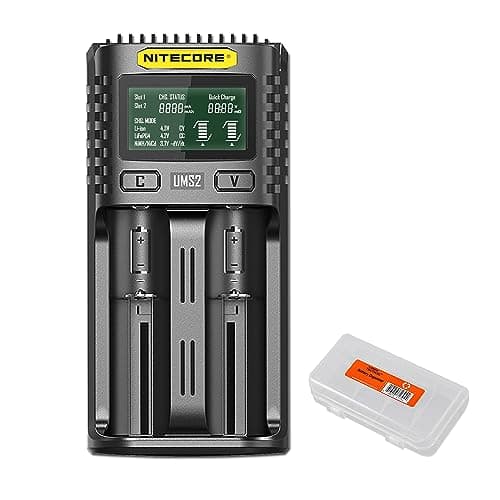
A bay charger takes the cell out and charges it separately. It is more faff, and it buys you three things worth having: you can swap in a charged spare instantly rather than waiting; you can see the cell's actual voltage and capacity, which tells you when a cell is dying before it strands you; and you can charge cells for several different lights on one device.
The sensible answer for most people is a light with onboard USB-C and a cheap bay charger for spares. That is about fifteen dollars of insurance against a flat light.
What to actually buy into
- If you own one light: buy whatever format it takes, with onboard USB-C, and stop thinking about it.
- If you own three or more: standardize. Pick 21700 if any of them are duty-sized, keep one charger, and buy two spare cells. One platform is worth more than any individual light's specification advantage.
- If the light matters: favor replaceable standard cells over sealed internal batteries. Sealed means the light dies when the battery does.
These are researched picks, not lights I carry. Elsewhere on this site there are pages about gear I actually own, and those are written in the first person because they have earned it — my rifles, my truck, my computer. Flashlights are not one of those categories yet. So this cluster does what the rest of the site does when I have not handled something: reads the published specifications, compares the numbers that are actually comparable, says which manufacturers publish enough to be checked, and names one to skip.
Cell format decides runtime; output decides what that runtime is buying you. If the numbers on the listings are not comparing cleanly, how many lumens you need explains the standard behind them. And a replaceable cell is the single most useful feature in a blackout, which is most of why our power outage picks look different from the everyday-carry ranking.
Buying the charging side
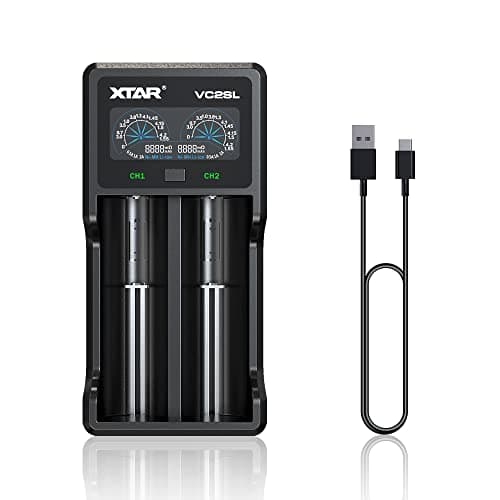
A display is worth the extra ten dollars
A charger that shows voltage and charge current tells you when a cell has gone soft. A charger with one indicator light tells you nothing, and the first you will know about a tired cell is a light that dies early on the night you needed it.
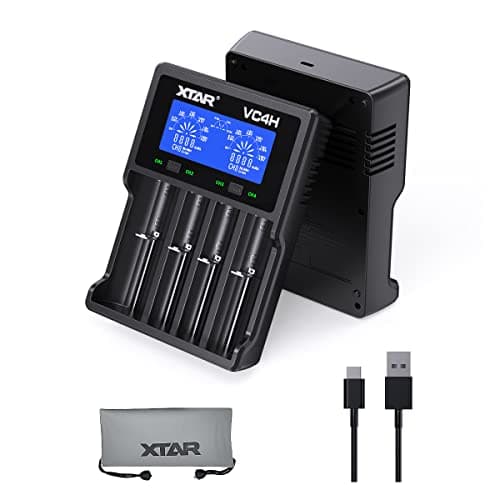
Buy more bays than lights you own today
Two bays is the bottleneck the moment you own a third light. Four-bay chargers cost barely more.
Slower charging is kinder
Chargers with selectable current let you charge at a lower rate, which is easier on cells over their life. Overnight at a low rate beats fast-charging every time if you are not in a hurry.
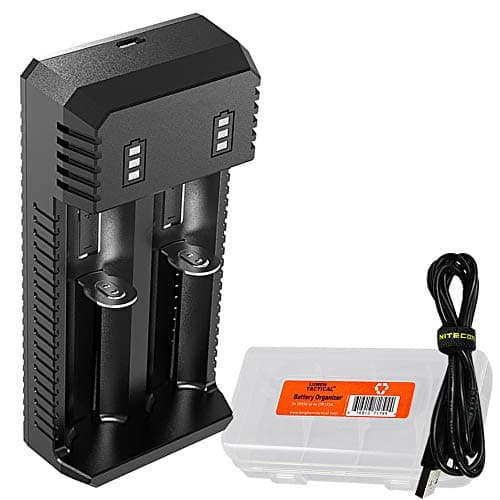
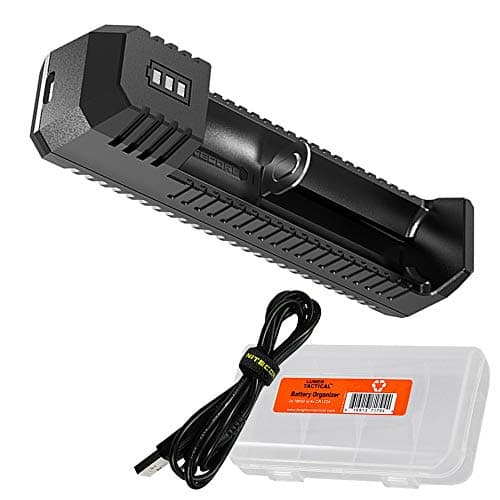
Get a cell case
Two dollars, and it is the difference between a spare cell in a bag and a short circuit in a bag. This is the single cheapest safety item in the hobby and most people skip it.