DOPE means Data On Previous Engagements. The word "previous" is the whole point: it is a record of what your rifle actually did, not what a calculator predicted it would do. Everybody starts with a prediction. The people who hit things past 600 yards have replaced most of it with observations.
A ballistic calculator is a good starting point and a bad finishing point. It is working from a published ballistic coefficient, an assumed muzzle velocity and a drag model, and at least one of those three is wrong for your rifle.
What goes on the card
A useful card is a table of distance against elevation correction, plus a wind column. What makes it trustworthy is the conditions recorded alongside it:
- Distance and the elevation correction that put rounds in the middle — in the same unit your turrets use.
- Wind hold for a full-value 10 mph crosswind. Everything else is a fraction of that number, which is why one column is enough.
- Density altitude, or failing that temperature, pressure and elevation. This is the variable that makes an old card wrong in a new place.
- The load. A card belongs to a rifle and a specific ammunition. Change either and the card is a different card.
Truing: the step that turns prediction into data
Truing means adjusting the calculator's inputs until its output matches what your rifle actually does. The usual method is to shoot at a distance far enough out that errors are obvious — commonly somewhere past 600 yards — and then adjust the muzzle velocity in the solver until the predicted correction matches the correction that worked.
The velocity you end up with may not be the velocity a chronograph would show, and that is fine. It is a fitting parameter that makes the model agree with reality across your usable range, and reality is what you are shooting in.
One honest caveat we are obliged to make: nothing on this site publishes load data, muzzle velocities or ballistic coefficients for you to copy. Those come from your rifle and from the ammunition manufacturer's published figures, and the whole point of this page is that you generate them yourself.
Where to carry it
The best card is the one you will actually look at. A card in a pack pocket does not get consulted when the light is going and the shot is available. The three formats that work:
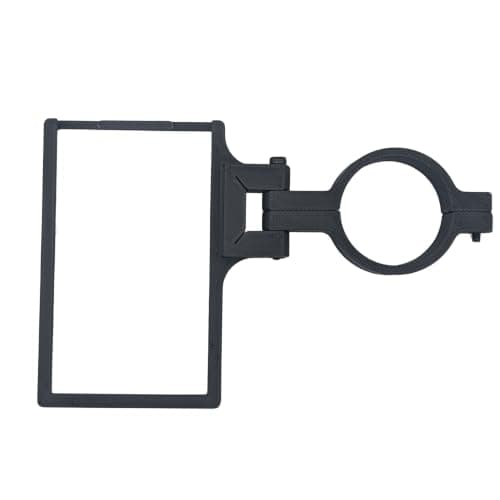
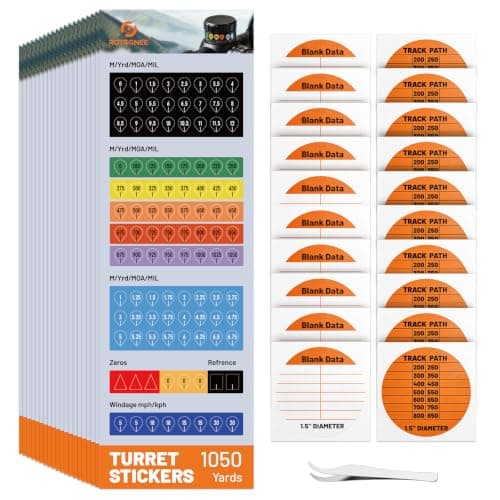
- On the rifle — a small holder on the scope or the stock. Fastest to read, smallest card, one more thing to snag in brush.
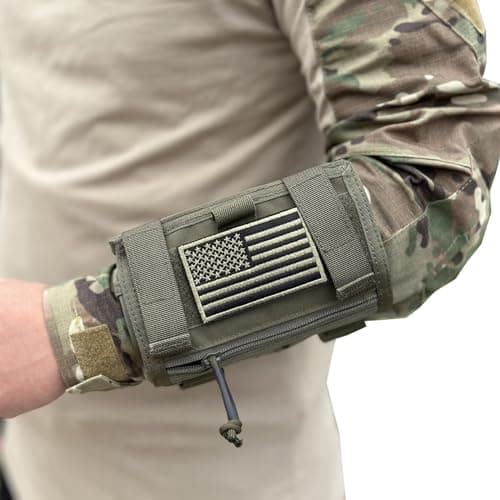
- On your arm — a bigger card, readable prone, comes off with the jacket. The competition answer.
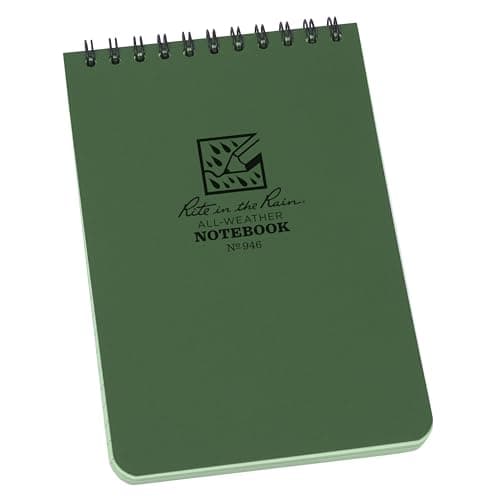
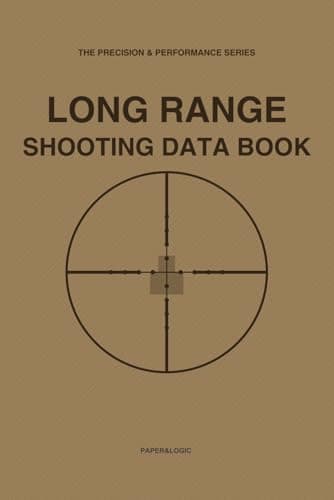
- In a book — the full record with conditions and groups, which lives in the truck or the pack and is what you build the small cards from.
Most people who shoot at distance end up with all three: the book is the archive, the arm or rifle card is the working copy.
Where a solver fits
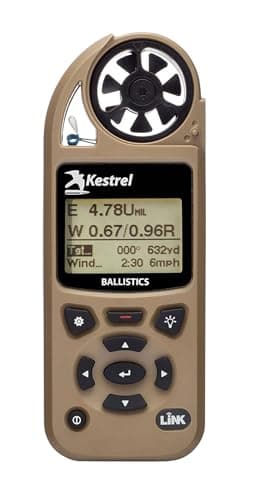
A device that measures conditions and solves in the same unit removes the step where errors live — transcription. It does not replace confirmed data. Feed it a trued velocity and it is excellent; feed it a guess and it will give you a confident, precise, wrong answer.
Buying notes
Start with paper, not electronics
The first purchase is a book with printed prompts, because the prompts are what make you record density altitude instead of just the elevation number. A twelve-dollar book improves your data more than a four-hundred-dollar meter does if you do not yet have the habit.
Match the units to the turrets, again
Same rule as zeroing, same reason. If your scope adjusts in MIL, your card is in MIL, your wind holds are in MIL, and your shooting partner calling corrections uses MIL. Mixing them mid-string is how a good shot ends up two feet low. The full explanation lives on MOA vs MRAD.
Weatherproof paper for the working copy
The book can live in a dry bag. The card in your hand cannot — it is going to get rained on, sweated on, or dropped in snow. Coated all-weather paper is ten dollars and it is the difference between a card and a wet smear.
Rebuild the card when anything changes
New load, new barrel, new scope, or a move to meaningfully different elevation. All four invalidate the elevation column. Date every card, and throw old ones away rather than keeping them in the same pouch — a stale card that looks current is worse than no card.
Where this connects to the rest of the site
The rifles this process was built around are documented in the LR-308 build and the Remington 700 build, and the longest confirmed shot on this site is written up on the White Buffalo page.