Flashlight brand arguments are unusually tribal for a category of small aluminum tubes, and most of the heat comes from people comparing across tiers that are optimizing for different things. A SureFire and a Wurkkos are not competing. They are solving different problems for different buyers, and both are right.
So this page is organized by tier rather than by ranking, with one representative light from each, and an honest account of what the money buys.
Three numbers, and only one of them is on the box. FL 1 lumens are measured at the front of the lens thirty seconds after switch-on, to the ANSI/NEMA standard. A marketing lumen number is usually the emitter's theoretical maximum at the instant of switch-on, which nobody ever sees. Sustained output is what the light holds after it heats up — every small high-output light steps down, and the honest makers publish the curve. Candela is beam intensity, and it is what decides how far the light reaches: a 2,000 lumen flood can be less useful at distance than a 600 lumen thrower. Everything on these pages is ranked on the second and third of those, never the first.
The tiers, and what separates them
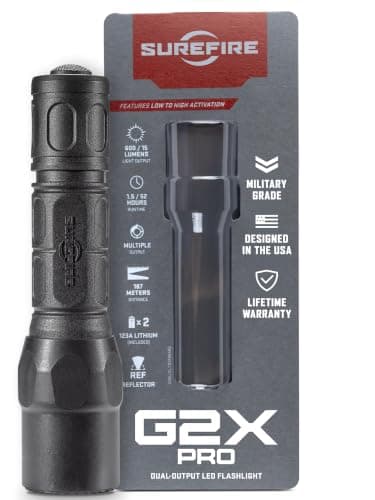
Premium — SureFire
American-built, conservative published figures, and the deepest accessory and holster ecosystem in the category. What you are paying for is not output — SureFire is routinely out-specced on paper by lights costing a third as much. You are paying for build quality that survives institutional use, figures that are never optimistic, and the fact that every holster and mount maker designs around them.
The honest caveat, and it is a significant one for this cluster: a lot of SureFire's handheld range is not rechargeable by design, running CR123A primaries that sit in a drawer for years and still work. That is a legitimate engineering position and it disqualifies much of the range if rechargeable is your requirement.
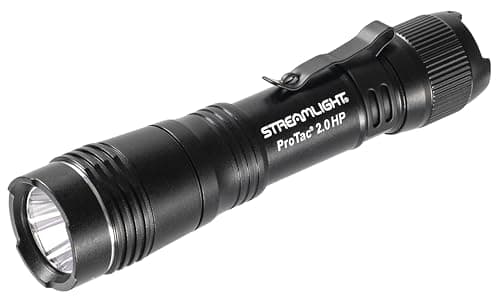
Duty — Streamlight
The tier most people should actually buy from. Streamlight publishes lumens and candela as standard, designs for a daily duty cycle, offers programmable interfaces, and has a service operation built around fleet customers. Output per dollar is mid-pack and everything else is top of the class.
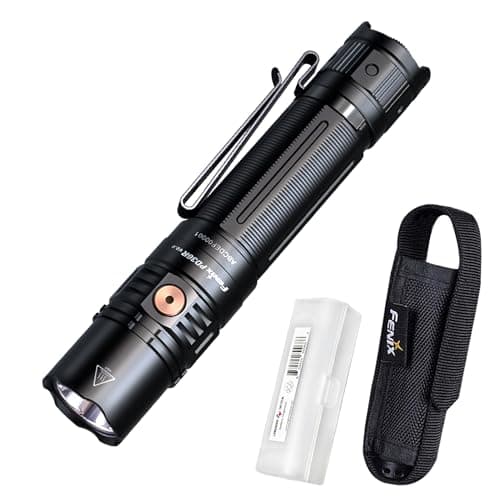
Enthusiast — Fenix
The best published documentation in the industry, full stop. Fenix gives you runtime curves, not headline numbers, which makes their lights the easiest in the category to buy rationally. Build quality is close to the duty brands at a lower price. What you give up is the service network and the accessory ecosystem.
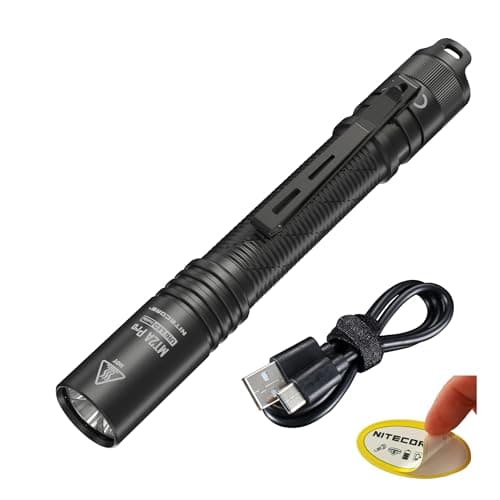
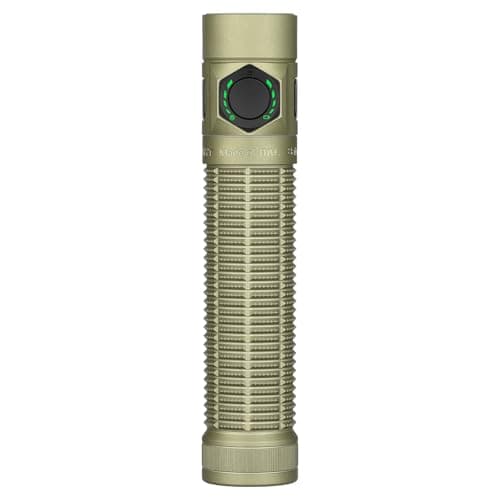
Performance and design — Nitecore and Olight
These two are frequently lumped together and are quite different. Nitecore competes on output and throw per dollar and generally wins that fight — if you want the most candela for the money, this is the tier. Olight competes on interface, charging and industrial design, and makes the nicest lights here to actually operate. Neither documents as thoroughly as Fenix, and both run proprietary charging ecosystems.
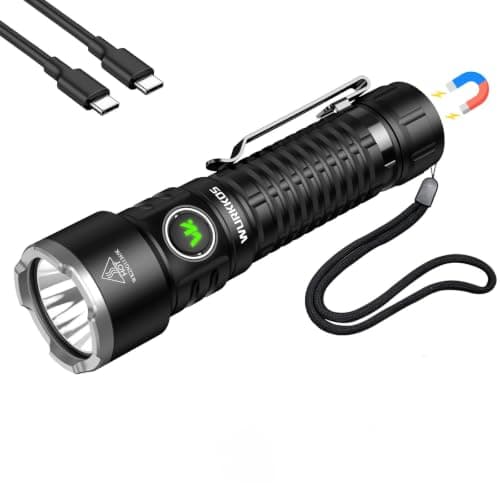
Budget enthusiast — Wurkkos and Sofirn
The tier that makes unbranded listings indefensible. These are inexpensive lights from companies that publish real specifications, use standard replaceable cells, and often ship enthusiast firmware. Fit, finish and quality control are visibly a step down, and support is email and patience. For a light in a truck, a shed or a toolbox, this is the smart money.
Unbranded — no
Covered at length on the anchor page, where an unbranded "10,000 lumen" listing is the designated skip. The short version: with Wurkkos and Sofirn existing at similar prices and publishing real numbers, there is no remaining argument for buying a light with no measurement standard behind it.
What the price step actually buys, in order
- $30 to $70 — the biggest jump in the category. You go from fictional specifications to real ones, from sealed cells to replaceable ones, and from no documentation to published runtime.
- $70 to $120 — better thermal design, so higher sustained output; better switches; better anodizing and threading; genuinely usable warranty support.
- $120 to $200 — duty construction, service networks, programmable interfaces and published candela. This is where a light stops being a purchase and starts being equipment.
- $200 and up — diminishing returns on performance, real returns on ecosystem, build tolerance and institutional support. Worth it for some buyers and genuinely not for most.
These are researched picks, not lights I carry. Elsewhere on this site there are pages about gear I actually own, and those are written in the first person because they have earned it — my rifles, my truck, my computer. Flashlights are not one of those categories yet. So this cluster does what the rest of the site does when I have not handled something: reads the published specifications, compares the numbers that are actually comparable, says which manufacturers publish enough to be checked, and names one to skip.
The clearest way to tell these tiers apart is what each one publishes. A brand that states FL 1 output, a candela figure and a per-mode runtime chart is telling you something checkable; a brand that shouts one lumen number is not. How many lumens you need sets out those three numbers and what each is for.
Picking a tier honestly
Match the tier to the consequence of failure
If the light failing means an inconvenience, buy budget-enthusiast and enjoy the savings. If it means a problem, buy duty. That single question resolves most of this page.
Documentation quality is a proxy for everything else
A company that publishes runtime curves and candela figures is telling you something about how it engineers. A company that publishes one number is telling you something too.
Do not pay for an ecosystem you will not use
SureFire's holster and mount support is genuinely valuable — if you need it. If the light lives in a bag, you are paying for something you will never touch.
Beware cross-tier comparisons
"This $40 light has more lumens than a $300 SureFire" is true and mostly meaningless. Compare sustained output, published candela and what happens when it breaks.