The verdict first: you can put a genuinely functional whitetail kit together for under five hundred dollars, and the first money goes to boots and rain gear. Everything else on this page — rangefinder, knife, game bags, trail camera and drag harness — is a category where the cheap option is close enough to the expensive one that paying more is a preference rather than an upgrade.
This is the companion to our gear checklist, which tells you what to bring. This page is about how much to spend on each, which is a different and more useful question when the budget is finite.
Where cheap is genuinely fine
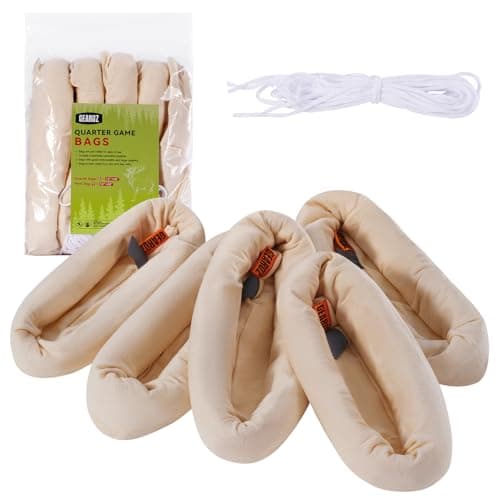
Game bags
A bag is a breathable mesh sack. The expensive ones are tougher and reusable more times; a five-pack of cheap ones costs twenty-four dollars and does the same job for one animal. This is the clearest case on the list. The full roundup explains the material differences, and they are smaller than the price difference.
Knives, if you accept a replaceable or basic blade
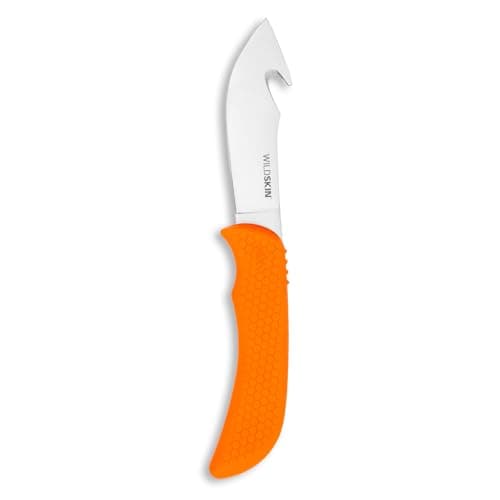
A twenty-one-dollar knife with a decent handle and a usable grind will field dress a deer perfectly well. What more money buys is better steel, which means longer between sharpenings — and if you have a second blade in the pack, that matters much less than it sounds.
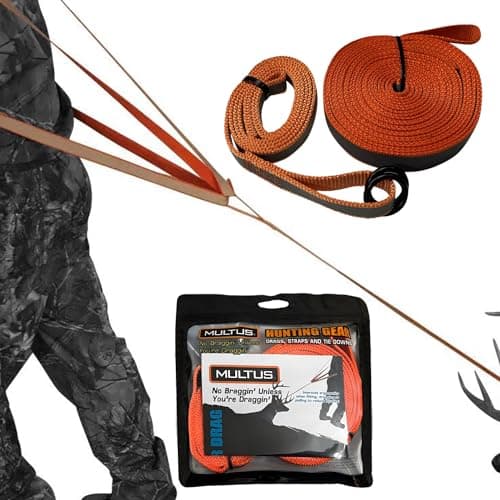
Drags and hauling hardware
A twenty-dollar harness spreads the load across your shoulders and chest instead of one hand, and the physics of that do not improve with price. A hundred-dollar cart is a different tool rather than a better drag — we compare those here.
Non-cellular trail cameras
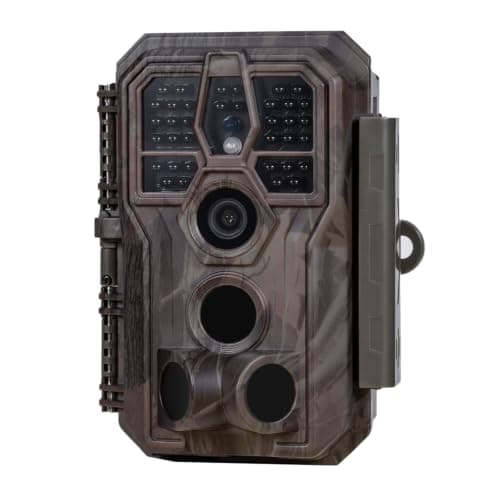
A seventy-dollar camera takes a perfectly identifiable photo of a deer. What you give up is trigger speed, night-time range and some weather sealing, and for patterning deer on a food plot none of those is decisive.
Rangefinders, up to a point
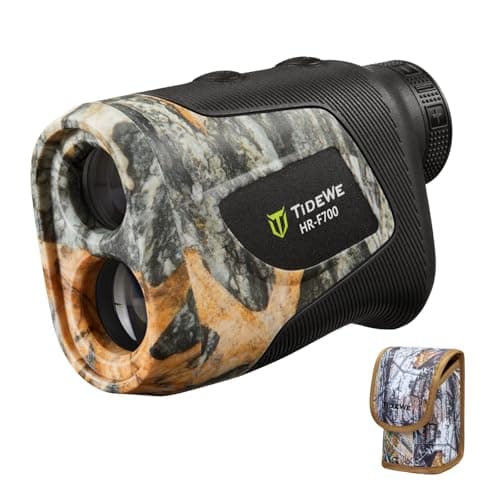
A sixty-five-dollar rangefinder will read a deer at two hundred yards in good light, which covers most whitetail hunting. The money buys range, speed in poor light, and angle compensation — which you may not need at all, and that page is honest about it.
Where cheap costs you the hunt
Three categories, and they are not the ones people expect.
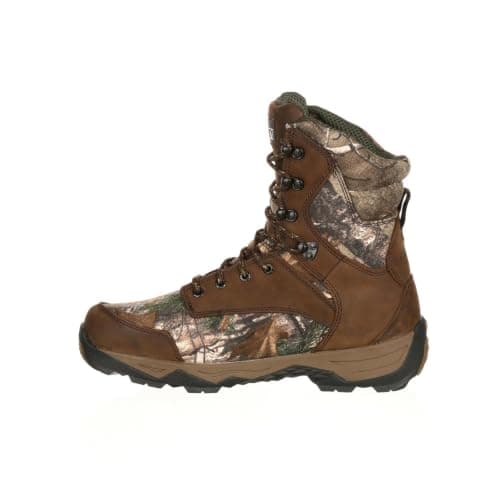
- Boots. Cold wet feet end hunts, and a cheap boot that leaks on day one has cost you the trip, not twenty dollars. This is the one item on this page where the budget pick still has to be genuinely good, which is why the Rocky is at the top rather than something at half the price. The boot roundup goes deeper, including why insulation weight is a choice rather than a quality rating.
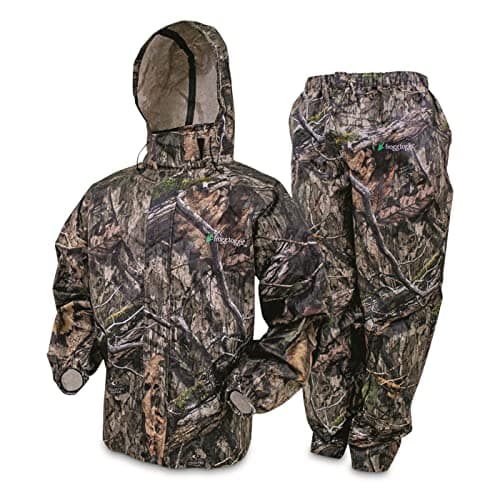
- Rain gear, if it has to be quiet. A thirty-five-dollar rain suit keeps water out and sounds like a crisp packet, which is fine in a blind and ruinous while stalking. The Frogg Toggs All-Sport at seventy dollars is the value answer; if you hunt close and quiet, the fabric is worth paying for and the roundup says which ones.
- Anything load-bearing or life-safety. A tree stand harness, a climbing system, a frame pack carrying ninety pounds. These fail in ways the other items on this page cannot, and the cheap version of a safety harness is not a bargain — it is a different product category entirely. The stand kit page covers harnesses properly.
Optics are the honorable mention. Cheap glass is not dangerous, it is just dim at exactly the half hour when deer move, which is a real cost that does not show up in daylight at a store.
Where the money actually goes wrong
Not on cheap gear. On gear you did not need. The most common waste in hunting is scent-control products, attractants, calls for species you do not hunt, and a second camera for a property you have already patterned. None of that is on this list and none of it belongs in a first-season budget.
The second most common waste is buying for a hunt you are not doing. An expensive frame pack is correct for a western elk hunt and is dead weight on a whitetail property with a four-wheeler. Buy for the hunting you actually do this year.
And the third: not maintaining what you have. A dried-out boot treated with wax, a rain shell re-proofed, a knife sharpened and a scope re-zeroed cost almost nothing and recover most of the performance people go shopping for. That is most of what the preseason checklist is about.
Buying notes
Spend in this order
Boots, then rain gear, then whatever your hunting style actually demands — glass for open country, a stand and harness for timber, a pack if you are carrying animals out. Everything else can wait a season.
Buy boots in person even on a budget
A hundred-dollar boot that fits beats a three-hundred-dollar boot that does not, and fit is not a specification. Try them on with the socks you will wear.
Check the insulation weight against your hunting
800 gram is a sitting boot. 400 gram or uninsulated is a walking boot. Buying 1600 gram because it sounds like more boot is the most common insulated-boot mistake, and warm feet that sweat get cold feet.
Buy consumables in multiples
Game bags, spare knife blades, batteries. They are cheap, they weigh nothing, and running out of one in the field costs far more than the pack cost.
Watch the price, not the discount
Every price on this page comes from a live lookup with the date stamped on it. A list price with a big percentage off next to it is a marketing decision; the number you pay is the only one that counts.